


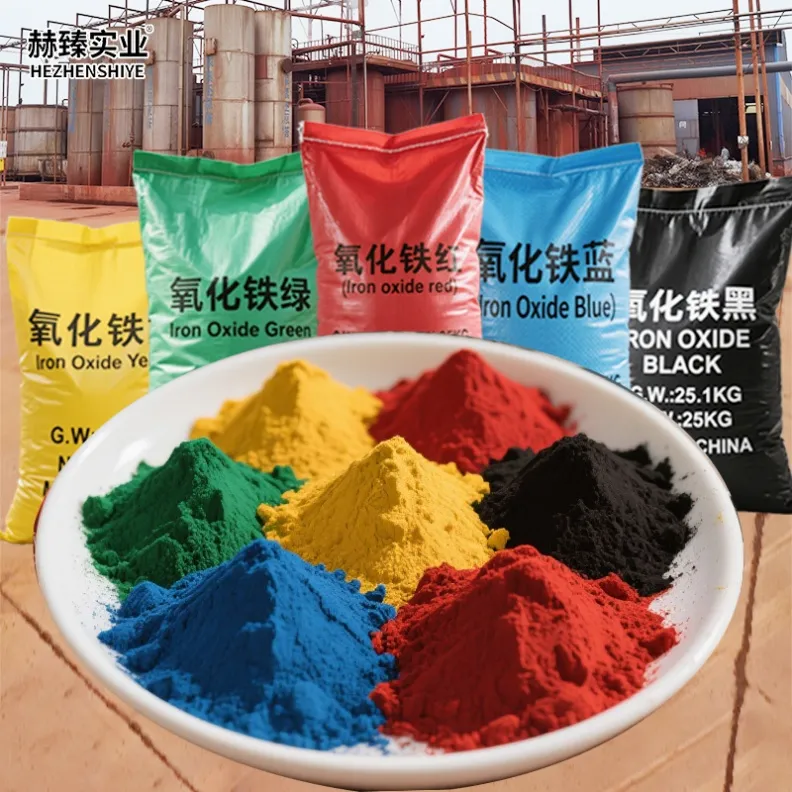
Multicolor iron oxide pigments for applications in coatings printing inks ceramics glass deliver tinting strength hiding power weather resistance
2025.12.29
Iron oxide pigments form group of inorganic colorants derived from iron compounds, offering wide spectrum of hues ranging from warm reds yellows browns to deep blacks. Unlike many organic alternatives, these pigments boast exceptional robustness that makes them staple in countless industrial and commercial settings. They stand out for unique combination of properties—color stability, weather resistance, and compatibility with diverse mediums—that make them indispensable across multiple industries. Their color stability ensures hues remain vibrant even when exposed to harsh environmental factors like intense sunlight, heavy moisture, or frequent temperature fluctuations. This resistance to fading, discoloration, and degradation makes them preferred choice for applications requiring long-lasting color performance, from exterior structures to everyday consumer goods. Whether used in thick coatings or thin films, their ability to retain color integrity sets them apart from less durable colorants.
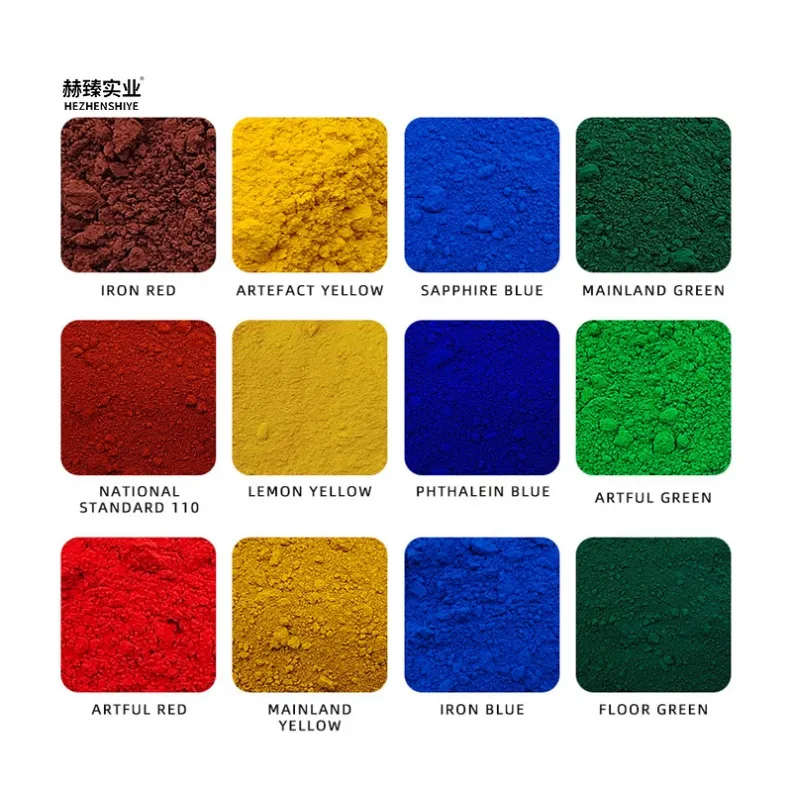
Production of iron oxide pigments involves processes like precipitation and oxidation, where iron compounds react under carefully controlled conditions to create particles with consistent color properties. Manufacturers adjust parameters such as reaction time, temperature, and reagent concentrations to fine-tune pigment characteristics. These processes are optimized to adjust particle size, which directly influences key attributes such as tinting strength, hiding power, and dispersion ability. Finer particles often deliver better dispersion, allowing uniform color distribution in various mediums—from liquid coatings to solid plastics—while maintaining structural integrity. Some production methods also include surface treatment steps to enhance compatibility with specific substrates, ensuring pigments blend seamlessly without clumping or settling. Quality control measures are implemented throughout production to ensure each batch meets strict color and performance standards, guaranteeing consistency for end-users.
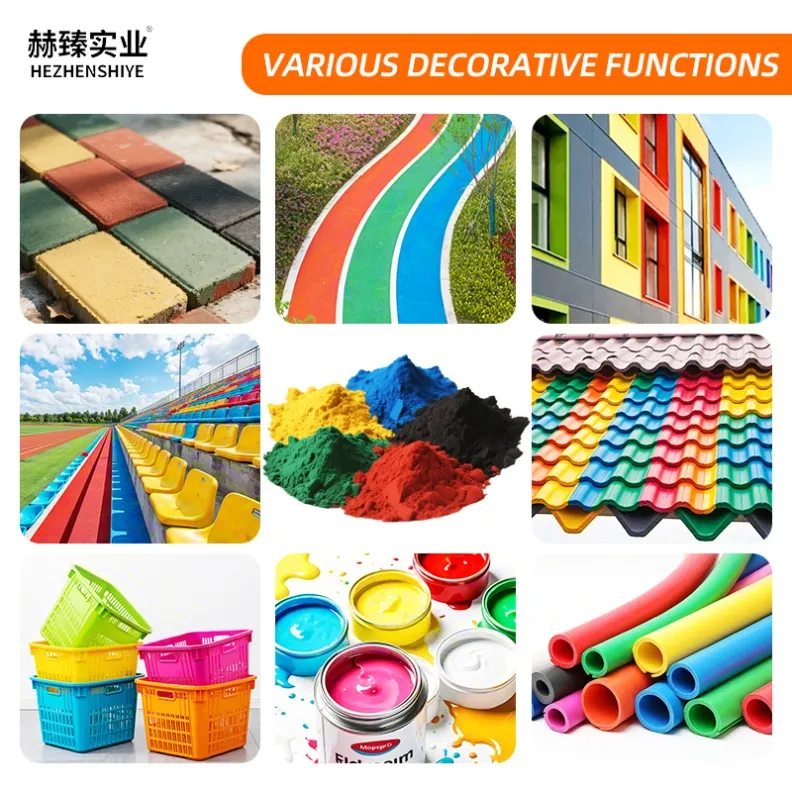
Coatings industry relies heavily on iron oxide pigments for both decorative and protective purposes, as they balance aesthetic appeal with functional performance. They blend seamlessly into coating formulations, enhancing color depth while providing robust barrier against corrosion, rust, and environmental wear. Exterior wall coatings for residential and commercial buildings use these pigments to create durable finishes that withstand years of weathering—including rain, snow, and UV radiation—without losing luster or vibrancy. Industrial coatings for structures like bridges, pipelines, and machinery also incorporate these pigments to combine color coding with resistance to chemicals, abrasion, and extreme temperatures. Wood coatings, metal finishes, and even automotive refinish coatings benefit from their tinting strength and durability. Formulators value how these pigments integrate with different coating systems, whether water-based, oil-based, or solvent-based, ensuring consistent results across small-scale projects and large industrial applications alike.
Construction sector leverages iron oxide pigments to add color and functionality to wide range of building materials, transforming plain structures into visually appealing spaces. Colored concrete for walkways, plazas, and decorative paving uses these pigments to create visually distinct patterns and hues that resist fading from prolonged UV exposure. Colored asphalt relies on them to mark dedicated bike lanes, crosswalks, or enhance scenic routes in parks and resorts, improving visibility and safety. Artificial stone products—such as quartz countertops, cultured marble, and decorative veneers—mimic natural granite and marble tones through precise blending of iron oxide hues, bringing luxurious aesthetic value to interiors and exteriors. Even mortar and grout use these pigments to match or contrast with tile and stone surfaces. These pigments bond well with construction materials, adhering tightly to aggregates and binders without compromising structural strength, making them ideal for large-scale commercial projects and residential renovations alike.
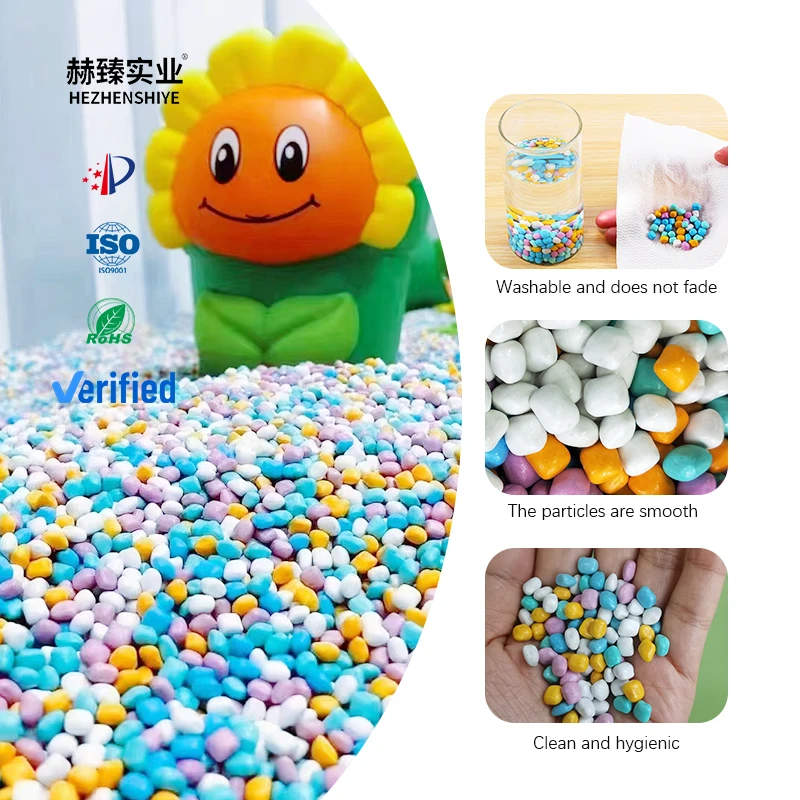
Plastics and rubber industries incorporate iron oxide pigments to enhance visual appeal and add functional properties to end products. Plastic toys, household appliances, automotive interior components, and packaging materials gain rich, consistent colors through addition of these pigments. They disperse easily in molten plastic during extrusion, injection molding, and blow molding processes, ensuring uniform tinting without creating streaks, spots, or color variations. Rubber products like automotive seals, hoses, gaskets, and even playground equipment use these pigments to add color while maintaining flexibility, durability, and resistance to ozone and aging. Compatibility with various plastic and rubber resins—including polyethylene, polypropylene, PVC, and natural rubber—makes these pigments versatile choice for manufacturers seeking reliable color solutions. They also resist migration within the material, preventing color bleeding or fading even with prolonged use.
Cosmetics sector increasingly adopts iron oxide pigments for formulating inclusive shade ranges, as they offer pure, buildable color that suits diverse skin tones. Foundations, concealers, blushes, eyeshadows, and lip products use these pigments to create diverse tones that cater to wide spectrum of skin undertones—from cool to warm and neutral. Their non-toxic nature, inertness, and low reactivity meet strict safety standards for cosmetic ingredients, ensuring suitability for daily use even on sensitive skin. Pigment blends are engineered to deliver smooth application, consistent color payoff, and resistance to creasing or fading on skin. They also mix well with other cosmetic ingredients like oils, waxes, and emulsifiers, maintaining stability in formulations. This alignment with inclusive beauty movements has boosted demand for tailored iron oxide pigment mixtures, with manufacturers creating custom blends to match specific shade requirements for niche and mainstream cosmetic brands alike.
Printing ink industry uses iron oxide pigments for wide range of applications, including packaging materials, billboards, labels, and decorative prints. These pigments provide sharp, vivid colors that resist smudging, fading, and water damage even in high-traffic or outdoor applications. They adhere well to various substrates—from paper and cardboard to plastic films and metal foils—ensuring long-lasting print quality. Ink formulators appreciate how these pigments balance color intensity with printability, allowing smooth application through different printing techniques such as offset, flexographic, and screen printing. They also offer good flow properties, preventing clogging in printing equipment and ensuring consistent output. For packaging in particular, their resistance to light and moisture helps maintain brand colors and product information integrity throughout storage and transportation.
Ceramic and glass industries integrate iron oxide pigments into glazes, coatings, and bulk materials to create unique decorative effects and color variations. Ceramic tiles, pottery, and sanitary ware gain depth and character through addition of these pigments, which withstand extremely high temperatures during firing process—retaining color even when exposed to temperatures exceeding thousands of degrees. They can create subtle earthy tones or bold, vibrant hues, depending on blending ratios and firing conditions. Glass products from decorative panels and stained glass to beverage containers and tableware use these pigments to achieve subtle or bold color variations. Heat stability of these pigments ensures color remains consistent even after exposure to extreme manufacturing conditions, such as glass melting and annealing. They also do not react with glass or ceramic matrices, preventing discoloration or defects in the final product.
Key attributes driving popularity of iron oxide pigments include exceptional tinting strength, superior hiding power, and cost-effectiveness. Tinting strength allows small amounts of pigment to achieve rich, full color, reducing material costs for manufacturers and minimizing waste. Hiding power—ability to obscure underlying surfaces—allows them to cover imperfections and create uniform finishes, eliminating need for multiple coats and reducing application time and labor costs. These properties, combined with their long-term durability, make them preferred alternative to many organic pigments in large-volume applications where performance and cost are critical. They also offer good chemical resistance, not reacting with common solvents, acids, or bases, which expands their usability across harsh environments. Unlike some specialty pigments, they are readily available in large quantities, ensuring consistent supply for industrial-scale production.
Technical innovations continue to expand possibilities for iron oxide pigments, enhancing their performance and opening new application avenues. Surface modification techniques—such as coating particles with silanes or other additives—improve dispersion properties, making them easier to integrate into complex formulations like high-gloss coatings and precision plastics. Development of finer, more uniform particle sizes enhances color intensity, transparency, and gloss control, opening doors to new applications in high-performance coatings, specialty cosmetics, and advanced ceramics.