

Kaolin powder deliver whiteness enhance plasticity boost coverage transform ceramic production optimize paper smoothness refine coating texture become ceramic raw material
2026.01.15
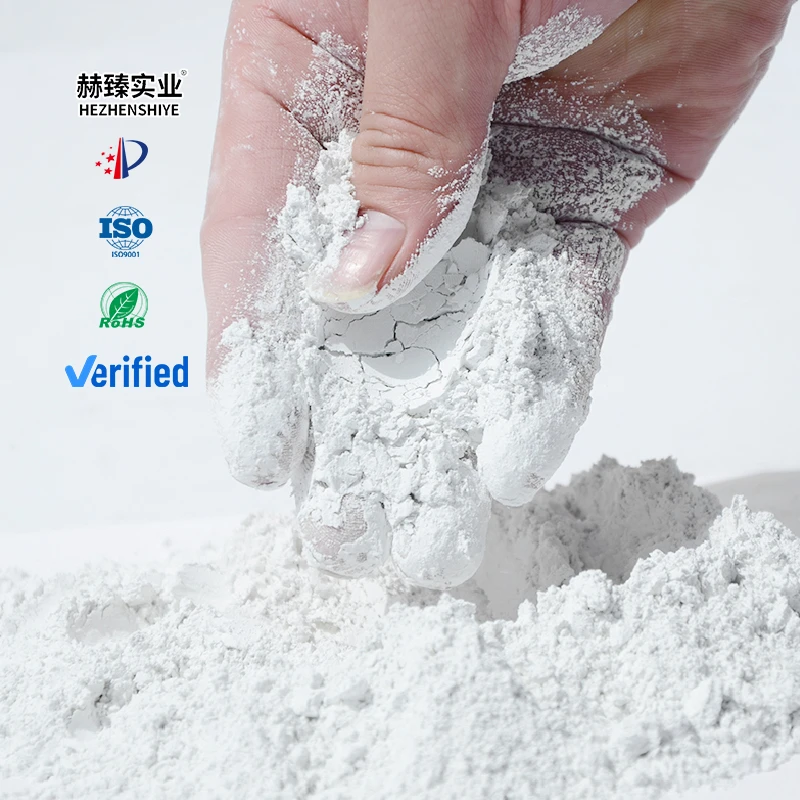
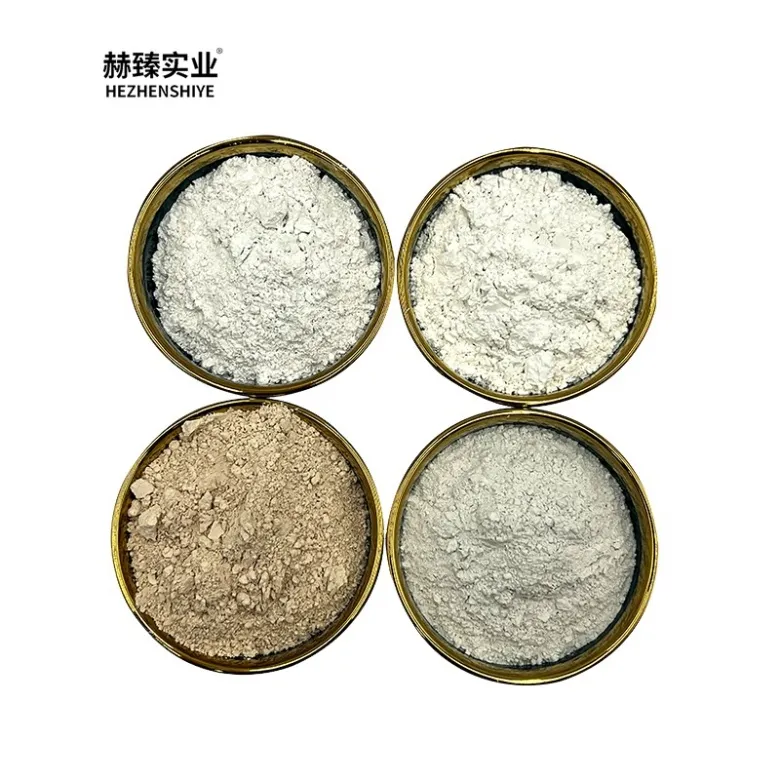
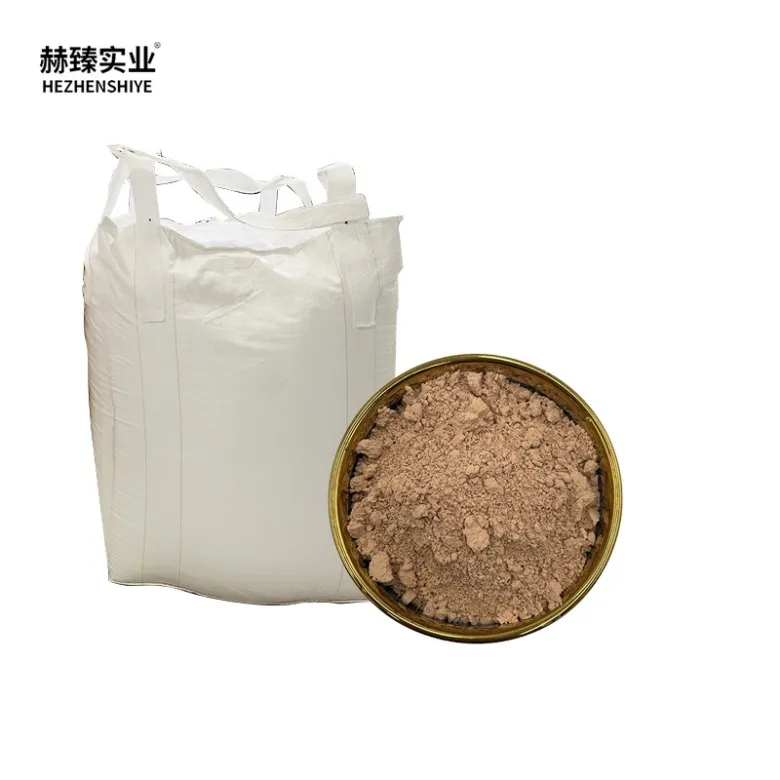
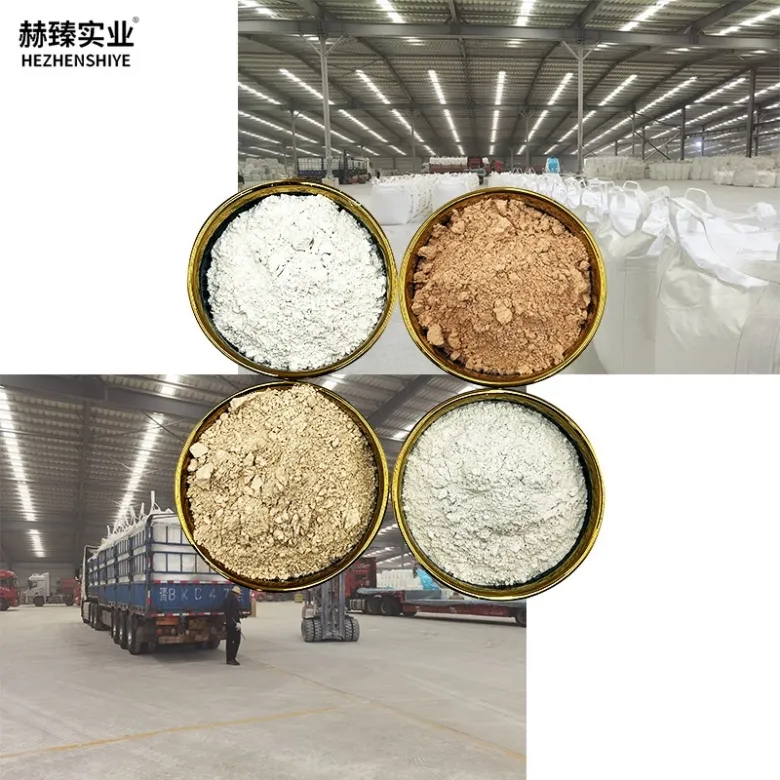
Kaolin powder originates from natural weathering and decomposition of aluminum silicate minerals, primarily kaolinite, which forms over long periods in warm and humid geological environments. It typically exhibits soft, earthy texture, with appearance ranging from pure white to light gray, and occasionally takes on faint pink or yellowish hues due to trace amounts of iron oxides or other impurities. This naturally occurring mineral powder boasts a unique set of physical and chemical characteristics that make it a staple in countless industrial sectors. Its ultra-fine particle size—often measured in micrometers—ensures smooth texture, while its stable chemical inertness means it rarely reacts with common substances, making it compatible with a wide range of materials. Additionally, its excellent plasticity allows it to be easily shaped and molded when mixed with water, laying a solid foundation for its extensive applications across diverse industrial fields, from traditional manufacturing to modern production processes.
Ceramic industry stands as one of the largest consumers of kaolin powder, relying on it as a fundamental and irreplaceable raw material for manufacturing a vast array of ceramic products. During ceramic production, kaolin powder is mixed with other clays to significantly enhance overall plasticity of the clay mixture, enabling ceramic blanks to be shaped into intricate and diverse forms—from delicate tableware to large architectural panels—without cracking or breaking during molding. Beyond plasticity, it also boosts drying strength of green bodies, a critical factor that prevents deformation or warping as the blanks dry naturally or in controlled environments. When subjected to high temperatures during firing, kaolin powder undergoes structural transformations, converting into stable crystalline phases that reinforce mechanical strength, hardness, and thermal stability of the final ceramic products. Whether producing fine daily-use porcelain that requires a smooth, glossy surface, durable architectural tiles designed to withstand heavy foot traffic, or specialized ceramics used in electronic insulators, kaolin powder plays a pivotal role in optimizing product quality, improving processing efficiency, and ensuring consistency across production batches.
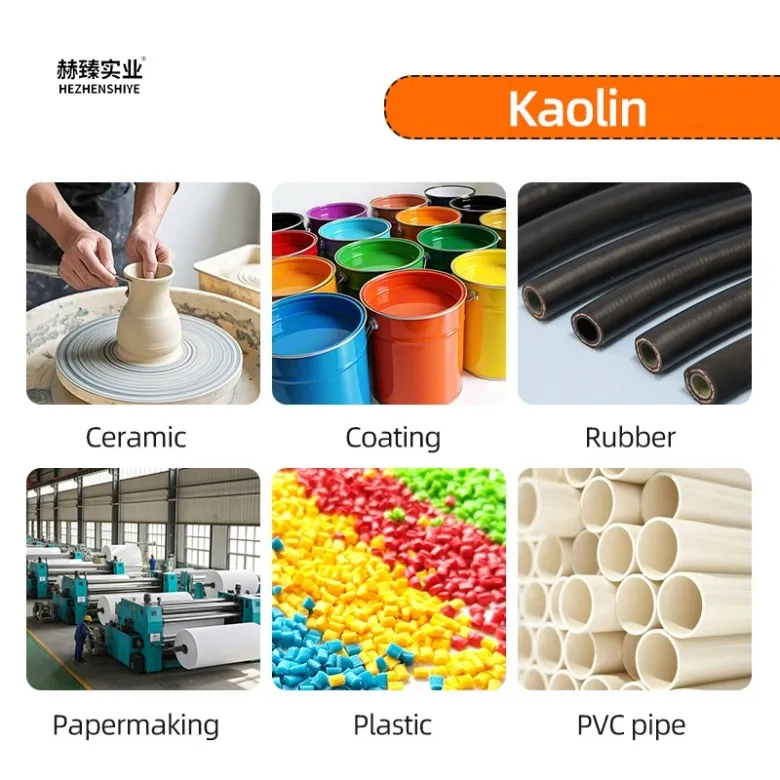
Paper industry is another major sector that heavily depends on kaolin powder, utilizing it both as a filler and a coating pigment to enhance paper quality and performance. As a filler, kaolin powder is added to pulp mixtures to fill gaps between cellulose fiber bundles, which not only increases paper thickness and bulk but also improves opacity—critical for preventing ink from showing through on the other side of the paper. As a coating pigment, it is applied to the surface of base paper to create a smooth, uniform layer, enhancing paper’s whiteness, brightness, and printability. The fine particle size and excellent dispersibility of kaolin powder ensure that the coating spreads evenly across the paper surface, reducing ink absorption and smudging, and improving the sharpness and clarity of printed text and images. Moreover, in many paper production processes, kaolin powder serves as a cost-effective alternative to more expensive pigments like titanium dioxide, allowing manufacturers to control production costs without compromising on paper quality, whether producing high-quality printing paper, packaging materials, or tissue products.
In coating industry, kaolin powder functions as a crucial additive that optimizes the performance and durability of various paint and coating formulations. It enhances hiding power of coatings, meaning fewer coats are needed to achieve full coverage over surfaces, while also improving resistance to fading, chalking, and peeling—extending the service life of the painted finish. The unique lamellar (plate-like) structure of kaolin powder particles creates a barrier on the painted surface, enhancing scrub resistance and protecting against wear, moisture, and harsh weather conditions, making it ideal for both interior and exterior coatings. Additionally, kaolin powder helps regulate the viscosity and flow properties of coating systems, ensuring that the paint applies smoothly without sagging, dripping, or forming brush marks during application. Whether used in architectural paints, industrial coatings for machinery and equipment, or specialty coatings for wood and metal surfaces, kaolin powder contributes to better overall performance and appearance of the final coated product.
Plastic and rubber industries widely utilize kaolin powder as a reinforcing filler to enhance the mechanical properties and performance of their products. When added to plastic formulations—such as polyethylene, polypropylene, or PVC—kaolin powder increases tensile strength, impact resistance, and dimensional stability, making plastic products more durable and less prone to breaking or warping during use. It also improves heat resistance, allowing plastic items to withstand higher temperatures without deforming. In rubber production, kaolin powder is mixed into rubber compounds to boost wear resistance, tear strength, and aging resistance, extending the service life of rubber products like tires, hoses, seals, and gaskets. Its excellent compatibility with various polymers ensures that it integrates seamlessly into different formulations without disrupting processing fluidity, making it easy to incorporate into existing production lines. Furthermore, kaolin powder can reduce the amount of expensive polymer resins needed in formulations, helping manufacturers lower production costs while maintaining product quality.
Construction sector also reaps significant benefits from kaolin powder, particularly in the production of concrete, mortar, and various building materials. When added to concrete mixtures, kaolin powder acts as a pozzolanic material, reacting with calcium hydroxide (a byproduct of cement hydration) to form additional cementitious compounds. This reaction improves the workability of fresh concrete, making it easier to mix, transport, and place, while also enhancing the mechanical strength, durability, and impermeability of hardened concrete. It also reduces shrinkage and cracking of concrete during the setting and curing process, minimizing structural defects and improving long-term structural integrity. In mortar formulations, kaolin powder enhances adhesion, ensuring that the mortar bonds firmly to bricks, stones, or other building components, preventing detachment and improving the overall stability of masonry structures. Additionally, it is used in the production of specialty building materials like fiber-reinforced cement boards and lightweight aggregates, contributing to better thermal insulation and fire resistance properties of these products.
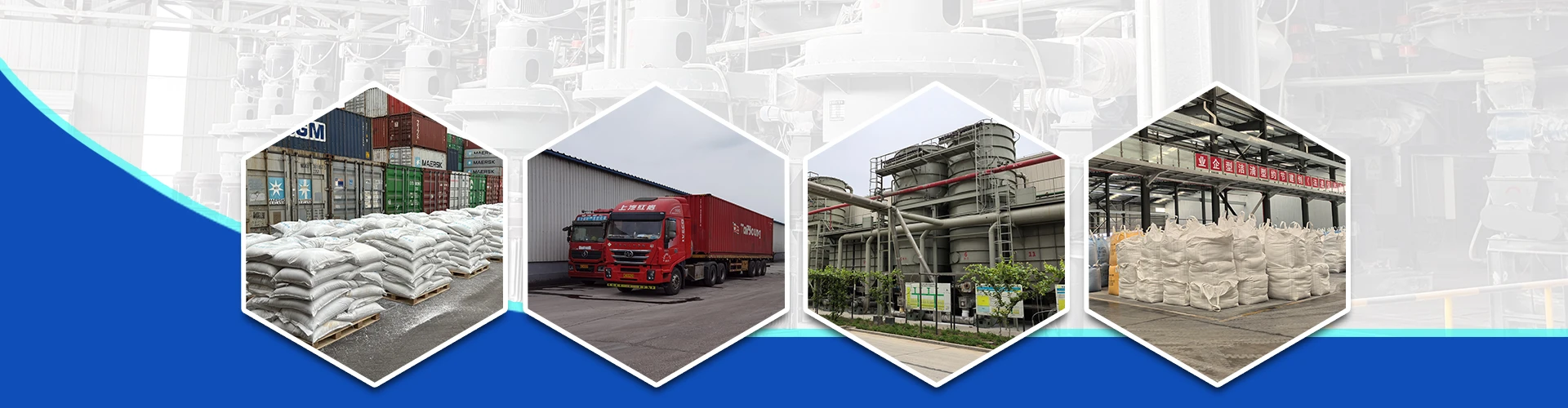
Processing of kaolin powder involves crushing, grinding, refining and calcining. Calcination enhances whiteness and stability of kaolin powder, tailoring it to specific industrial needs. Modern processing technologies integrate AI and automation to ensure consistent quality of kaolin powder, optimizing production efficiency and reducing manual errors. Such technological advancements drive expansion of kaolin powder application scope, making it more adaptable to evolving industrial demands.