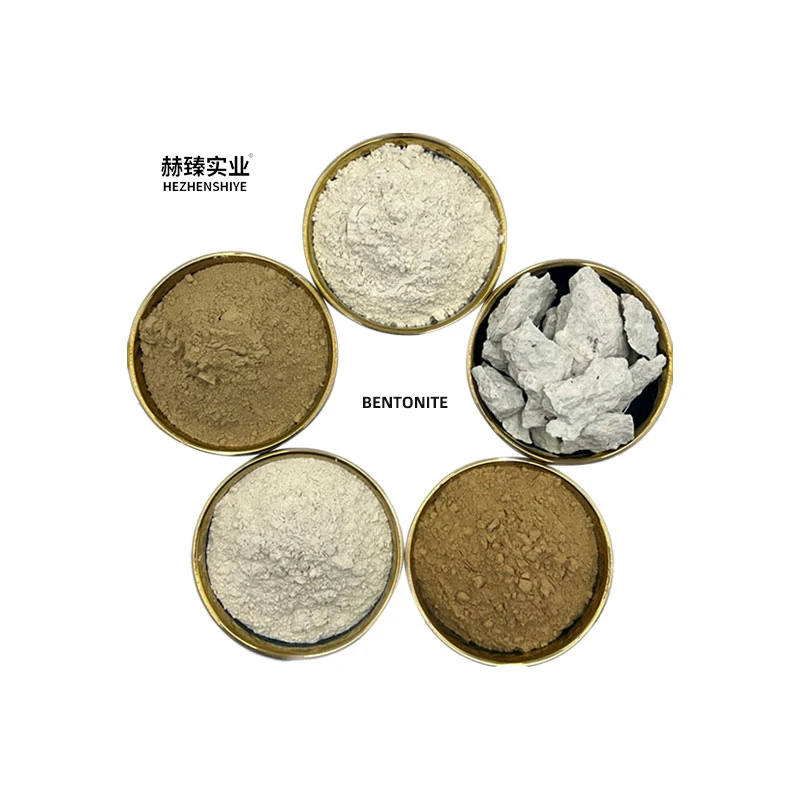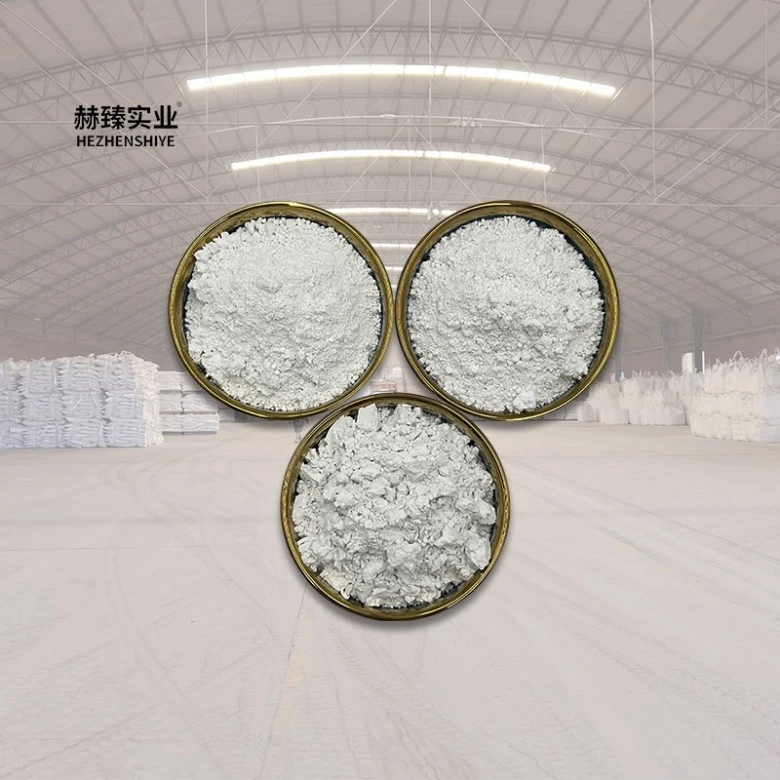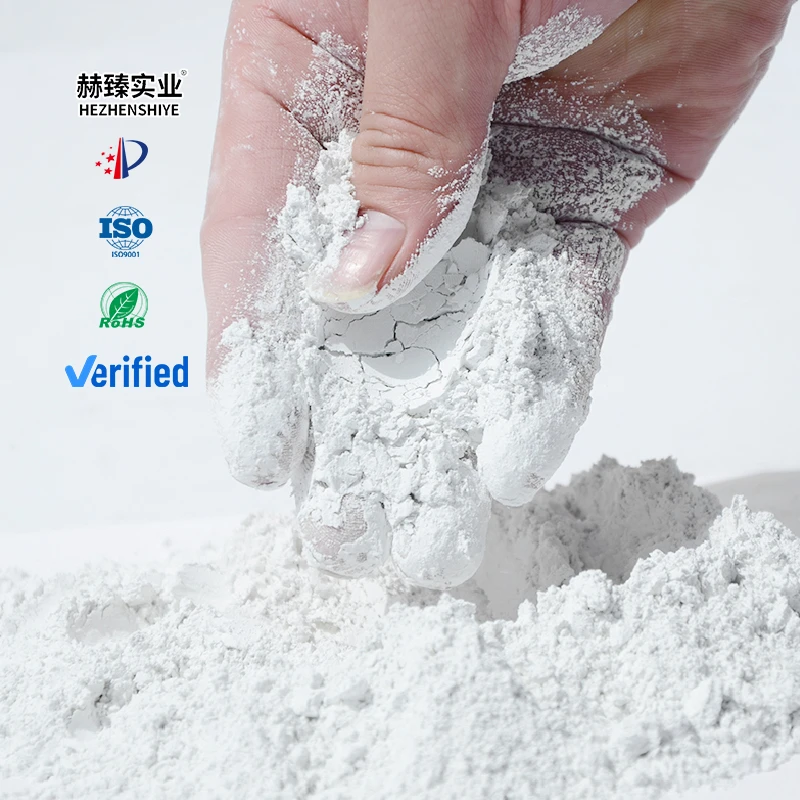


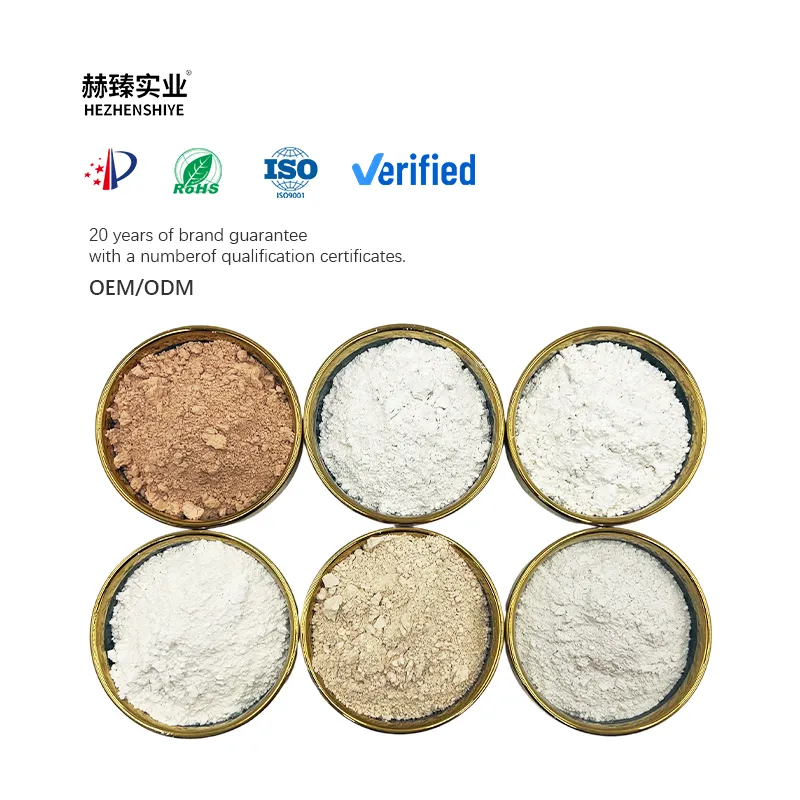
Kaolin (Chemical Formula: Al₂Si₂O₅(OH)₄) is a naturally occurring layered silicate mineral dominated by kaolinite, featuring high whiteness, good chemical inertness, low abrasion, and adjustable particle size distribution. It is a foundational functional mineral for multiple industries. Through different purification and thermal modification processes, three high-value derivatives are produced: Washed Kaolin, Metakaolin and Calcined Kaolin, each with distinct properties and targeted application scenarios.
1.Washed Kaolin
Production Process
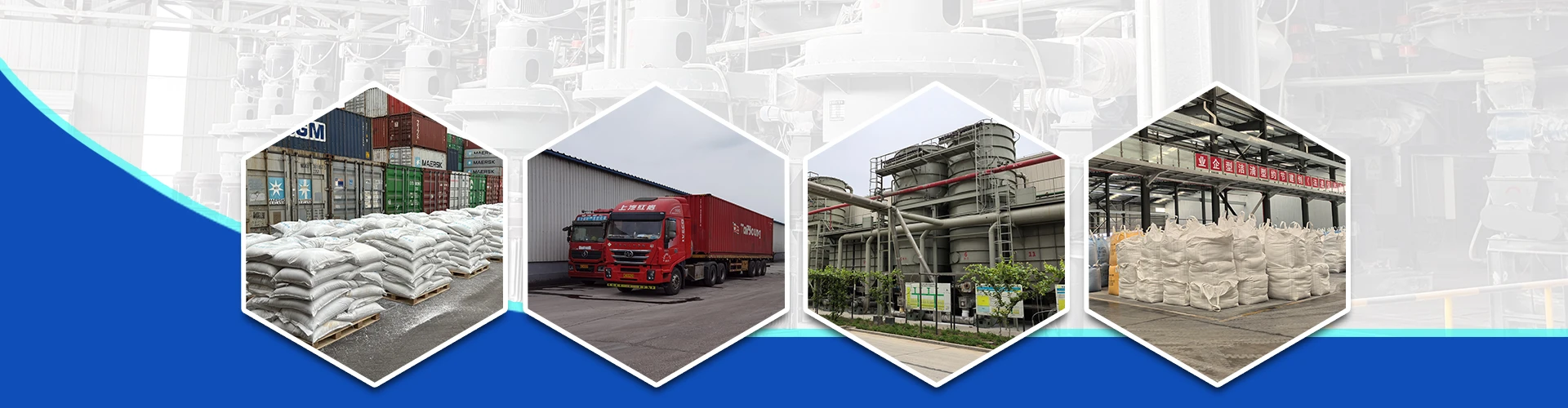
Natural kaolin ore undergoes crushing, pulping with dispersants, hydraulic cyclone classification, magnetic separation for iron removal, pressure filtration, and spray drying. No chemical bleaching is required for premium grades, relying purely on physical water-washing to remove quartz, mica, and iron-titanium impurities.
Core Properties
High natural whiteness (typically ≥90%), low Fe₂O₃ content (≤0.3%)
Fine and uniform particle size (D50 usually 1–3 μm, lamellar structure)
Good plasticity and suspension stability, pH 5.0–6.5 (weakly acidic)
Retains original crystalline structure of kaolinite, excellent compatibility with water-based systems
Key Applications
Paper coating & filler (improves printability and opacity), high-grade ceramic body/glaze, cosmetics (facial powders, creams), rubber reinforcing filler, water-based architectural coatings.
2.Metakaolin
Production Process
Ultra-fine washed kaolin is calcined at a precise low-temperature window (600–900°C, optimal around 800°C), avoiding over-crystallization. The process removes structural hydroxyl groups, converting the crystalline kaolinite into amorphous aluminosilicate with high pozzolanic activity.
Core Properties
Amorphous structure, no fixed melting point, high reactivity (activity index ≥80%)
Whiteness ≥85%, low bulk density, large specific surface area (30–50 m²/g)
Strong alkaline reactivity, can react with calcium hydroxide to form stable cementitious hydrates
No crystalline water, good thermal stability below 1000°C
Key Applications
High-performance concrete admixture (improves compressive strength and chloride ion resistance), geopolymer materials, special cement, refractory castables, catalyst carrier, environmental remediation materials.
3.Calcined Kaolin
Production Process
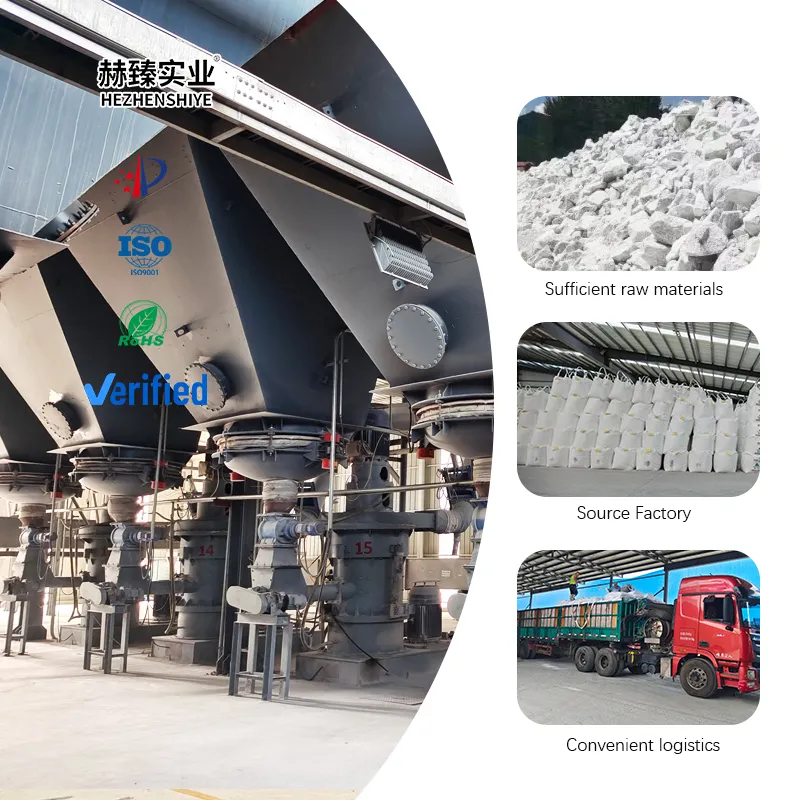
Based on washed kaolin, it undergoes high-temperature calcination (950–1250°C), with strict control of temperature and residence time. It experiences complete dehydroxylation, partial crystallization transformation (formation of mullite precursor), de-carbonization, and impurity stabilization, followed by depolymerization and ultra-fine classification.
Core Properties
Super-high whiteness (≥93%, even up to 96%), excellent light scattering performance
Low oil absorption value (35–45 g/100g), high chemical stability, pH 6.8–7.5 (neutral)
Porous lamellar aggregate structure, good hiding power, can partially replace titanium dioxide
No plasticity, good heat resistance and electrical insulation
Key Applications
Solvent-based and water-based industrial coatings (matting agent, extender pigment), plastic masterbatch filler, cable insulation material, decorative paper coating, ink, refractory materials, functional filler for lithium battery separators.