




Raw Material Origin and Standard Low Melting Glass Powder Production Process
2026.07.06
Low melting glass powder, also called low-temperature glass frit powder, is a specialized inorganic vitreous material widely used in ceramic glazes, electronic packaging, enamel coating, metal surface decoration and welding sealing fields. It is completely different from ordinary high-temperature quartz glass powder made of single silica raw material. Our low-temperature glass powder adopts compound mineral raw materials with stable chemical composition and undergoes precise high-temperature melting, water quenching, ultra-fine grinding and multi-stage purification treatment. No toxic heavy metal exceeding standard is added in the whole production flow, and all raw material sources are traceable with complete inspection reports for every batch. This introduction focuses on raw material selection standards, melting production technology, post-processing purification links and full-set quality control system, helping overseas customers fully grasp our product source advantages, stable performance and environmental compliance for long-term bulk purchasing cooperation.

The core raw materials for producing qualified low-temperature glass powder are multiple high-purity inorganic mineral raw materials selected from standardized mineral bases and certified chemical suppliers. The main silicon source comes from high-purity quartz sand with ultra-low iron and heavy metal content, mined from designated clean mineral areas without industrial pollution around mining zones. After washing, magnetic separation and impurity removal, quartz sand provides stable silicon dioxide framework for glass structure. The aluminum source adopts refined feldspar ore with uniform particle size, which can improve glass hardness and chemical corrosion resistance after melting. Multiple auxiliary mineral raw materials such as borax, boric acid, lithium ore powder and alkaline carbonate are strictly screened as fluxing agents to reduce the softening and melting point of glass fundamentally. We firmly reject recycled industrial waste glass, mixed broken glass fragments and low-grade impure mineral residues as production raw materials. Waste glass often contains mixed colored metal impurities and residual coating components, which will lead to unstable melting temperature, uneven gloss and poor sealing effect of finished glass powder. Every incoming raw material batch is sampled and tested for heavy metal content, purity and particle uniformity before entering the production workshop.
All raw materials go through automatic batching, full mixing and preheating pretreatment before high-temperature melting. Professional intelligent batching equipment accurately weighs each mineral raw material according to customized formulas for different melting temperature grades, avoiding manual weighing errors that cause performance deviation. Mixed raw materials are fully stirred in closed mixing tanks to achieve uniform distribution of each component, which ensures consistent melting reaction and stable softening point of finished products. Then mixed raw materials enter the low-temperature preheating kiln to remove free moisture and crystal water inside mineral materials. If raw materials contain excess water, a large amount of bubbles will form during high-temperature melting, generating porous defective glass blocks that affect the compactness of final glass powder. Most small manufacturers omit the preheating step to save production cost, resulting in numerous internal pores and unstable fluidity of their glass powder during customer processing.
Constant temperature sealed melting reaction is the key link that determines the core performance of low-temperature glass powder. Uniform mixed mineral raw materials are sent into fully enclosed high-temperature melting furnaces with intelligent temperature control system. The furnace temperature is adjusted accurately according to different product formulas, forming transparent homogeneous glass liquid after full fusion of all mineral components. The closed furnace body prevents external dust, iron filings and other impurities from mixing into molten glass liquid, and reduces the volatilization loss of flux raw materials during melting. After complete melting and heat preservation for a fixed period, the glass liquid has uniform viscosity and stable fluidity at low temperature, laying the foundation for excellent sealing and glaze leveling performance. The whole melting process adopts clean energy heating, without waste gas pollution exceeding environmental standards, and waste heat is recycled to reduce production energy consumption, meeting international green manufacturing requirements.
Water quenching, crushing and multi-stage fine purification separate high-quality glass particles from crude molten glass. The high-temperature glass liquid flows out from the furnace outlet and directly contacts circulating clean cold water for rapid water quenching treatment. Sudden temperature change makes complete glass blocks crack into small brittle glass particles instantly, which greatly reduces the difficulty of subsequent grinding processing. Coarse glass particles are transported into closed crushing equipment for primary breaking, then enter airflow ultra-fine grinding machines to reach the required fine particle size range. After grinding, glass powder passes through multiple layers of magnetic separation equipment to completely remove tiny iron impurities mixed during mechanical processing. Secondary water washing and dehydration treatment remove soluble salt impurities generated in quenching process, preventing product agglomeration and discoloration during customer high-temperature construction. The purified wet glass powder is dried by mild low-temperature hot air to avoid crystal structure damage caused by overheating drying.
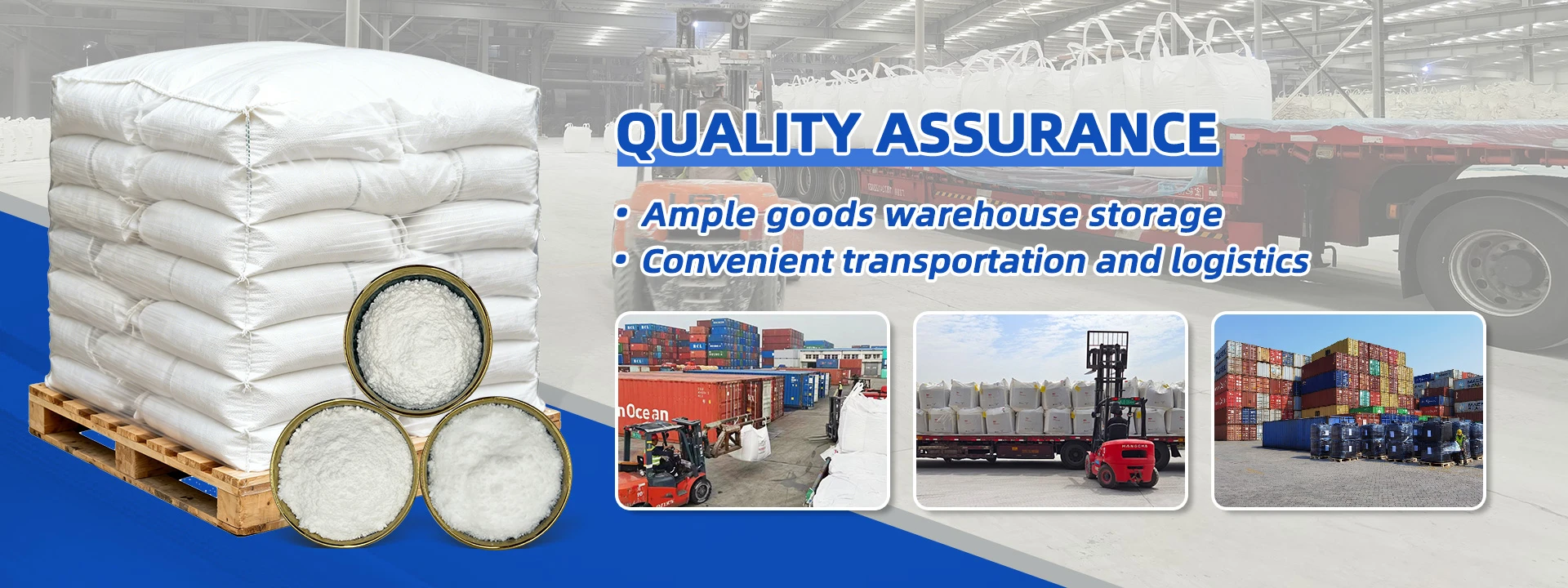
Finished product grading, batch testing and moisture-proof sealed packaging ensure stable quality during cross-border transportation and storage. Processed glass powder is classified by automatic screening equipment according to different mesh specifications to meet diversified demands of glaze spraying, electronic sealing and enamel welding. Each finished batch is delivered to independent laboratory for comprehensive testing, covering softening melting point, particle size distribution, whiteness, heavy metal content, fluidity and chemical acid-base resistance. Any unqualified batch with unstable melting temperature or excessive impurities will be re-melted and reprocessed strictly, and will never be mixed into qualified finished products. All standard glass powder products are packed with thick double-layer moisture-proof plastic woven bags and ton barrels, isolating moisture in humid ocean transportation environment to prevent powder caking.

To sum up, our low-temperature glass powder originates from multiple high-purity traceable mineral raw materials, and is produced through standardized intelligent batching, constant temperature sealed melting, water quenching ultra-fine grinding and multi-channel impurity removal processing. Compared with inferior glass powder made from recycled waste glass on the market, our products feature stable low melting point, uniform particle distribution, high purity, low heavy metal content and excellent fluidity after heating. Complete raw material inspection and finished product testing system guarantee consistent performance between different batches. With reliable raw material source, mature clean production technology and strict quality management, our low-temperature glass powder can help downstream manufacturers stabilize finished product yield, reduce processing temperature energy consumption and improve surface decorative and sealing quality of ceramic, electronic and metal products.


