

Vermiculite natural mineral for data center insulation precision instrument packaging small kiln refractories old factory renovation industrial use
2025.12.08
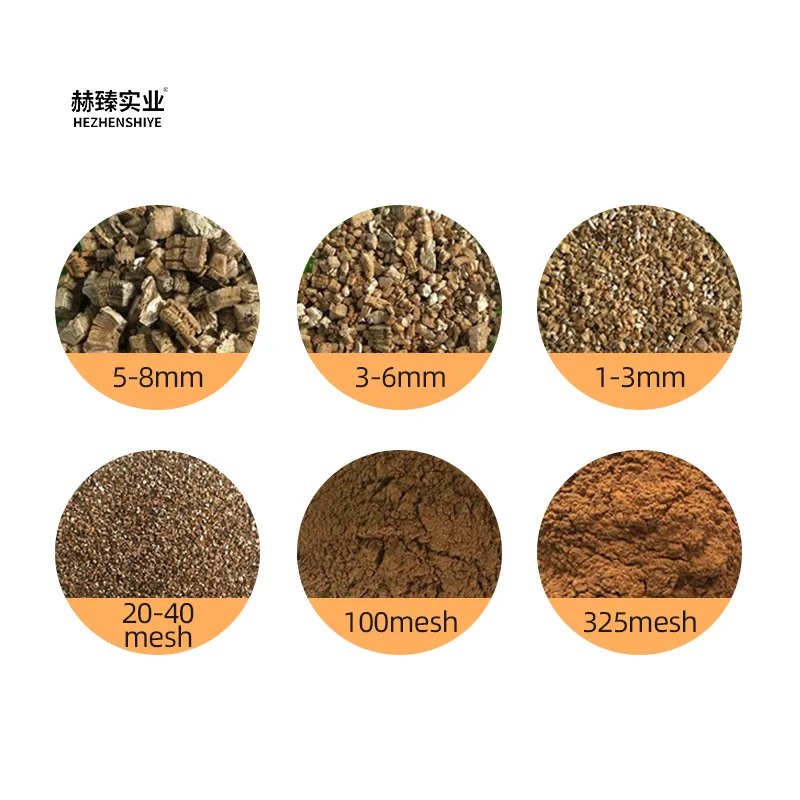
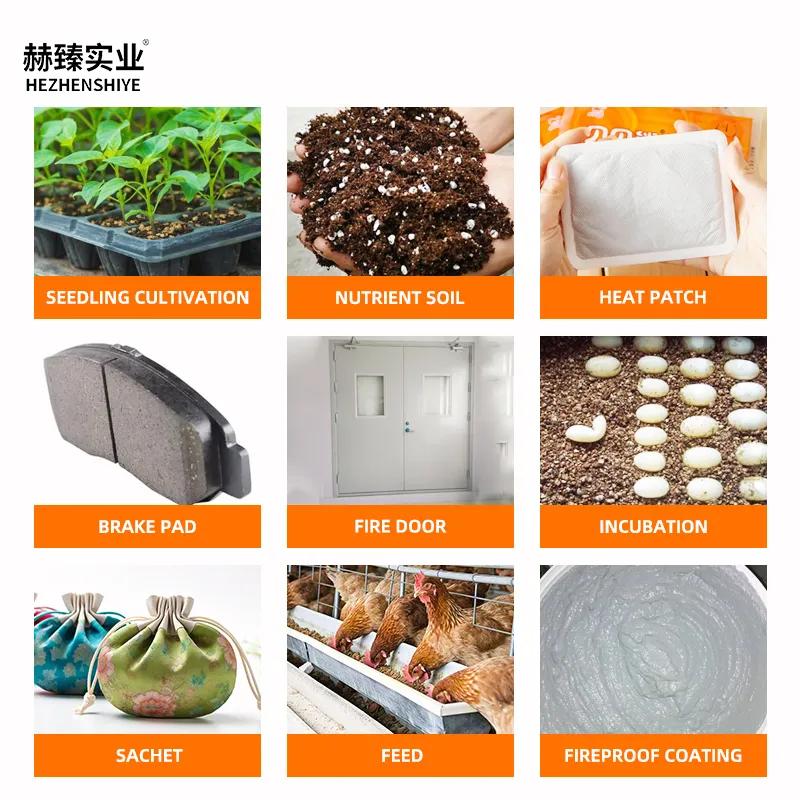
Vermiculite is natural phyllosilicate mineral formed by long-term geological evolution—specifically, weathering of mica minerals under natural elements or hydrothermal modification in underground environments. Its most distinctive trait is exfoliation: when heated moderately, moisture sealed between mineral’s layered structure vaporizes rapidly, generating pressure that pushes layers apart. This process transforms dense, small mineral into lightweight, porous material with worm-like texture. Exfoliated vermiculite boasts inherent properties that make it valuable in diverse fields: it is inorganic, free of organic components that decay; non-combustible, resisting ignition even at high temperatures; heat resistant, maintaining structure under thermal stress; porous, with countless tiny cavities for insulation or absorption; and inert, not reacting with other materials or degrading over time. These traits let it adapt to emerging needs in industrial use and commercial upgrade, differing from traditional synthetic materials.
Data center insulation relies heavily on vermiculite’s unique combination of superior heat resistance and electrical non-conductivity—two critical requirements for spaces housing sensitive computing equipment. Data centers generate significant heat from countless servers running continuously, and maintaining stable, cool temperature is essential to prevent overheating and ensure consistent server performance and lifespan. Vermiculite serves as ideal insulation for server room walls, floor cavities and ceiling voids, where temperature control is most critical. Loose fill vermiculite pours easily into narrow gaps around cooling pipes, electrical wiring bundles and server rack foundations—spaces that rigid insulation panels often cannot reach fully—forming seamless thermal barrier that slows heat transfer between indoor and outdoor environments. Its inherent electrical non-conductivity is a key advantage here, as it eliminates any risk of electrical interference or short circuits that could damage expensive data processing equipment. Unlike some synthetic insulation materials that release toxic or corrosive gases when overheated (a major hazard in enclosed server rooms), vermiculite remains chemically stable, emitting no harmful substances and ensuring safe operating environment for both equipment and maintenance staff. It also has mild moisture absorption capabilities, subtly soaking up minor condensation that can form on cool pipe surfaces or in humid conditions, preventing water droplets from dripping onto electrical components. This combination of thermal performance, safety and low maintenance helps data centers maintain consistent operating temperatures while reducing long-term upkeep costs.
Precision instrument packaging leverages vermiculite’s gentle, non-abrasive cushioning and reliable moisture absorption—traits that are indispensable for protecting delicate equipment with tight tolerance requirements. It is widely used across industries to safeguard items like high-precision optical lenses (which scratch easily), semiconductor wafers (sensitive to moisture and contamination), and medical testing instruments (with fragile sensors and calibration components) during transport and storage. Exfoliated vermiculite’s porous, flexible texture wraps around fragile surfaces like soft blanket, conforming to every contour without applying pressure or causing scratches—unlike rigid foam or packing peanuts that can leave indentations or abrade polished surfaces. Its natural resilience allows it to absorb repeated vibrations and sudden impacts from shipping processes, such as bumps during truck transport or jostling in cargo holds, preventing internal damage to delicate mechanisms. Unlike synthetic foam that can trap moisture inside packaging (leading to rust or mold on metal components), vermiculite is breathable and naturally absorbent, soaking up excess humidity from air—even in high-moisture environments like long-distance ocean shipping—to keep instruments dry and stable. For irregularly shaped parts like custom lens holders, sensor modules or delicate valves, vermiculite is poured into custom foam-lined crates or specialized packaging containers, where it molds around unique contours to create snug, form-fitting protective layer. It also offers practical unpacking benefits: unlike sticky adhesives or static-prone plastics, it brushes off easily with soft cloth, leaving no residue that could contaminate precision components or require time-consuming cleaning before use.
Small kiln refractories made with vermiculite cater specifically to needs of ceramic studios, glassblowing workshops, artisanal potters and small-scale manufacturing operations where space and mobility are often limited. It is mixed with heat-resistant binders like sodium silicate or alumina cement (chosen based on kiln’s maximum temperature) to form lightweight refractory boards, moldable pastes or pre-cut shapes for lining small electric, gas or wood-fired kilns. These vermiculite-based liners excel at retaining heat efficiently, creating uniform temperature distribution inside kilns—critical for consistent results in ceramic firing (where uneven heat causes cracking) or glass melting (requiring steady heat to avoid bubbles). Their lightweight nature is a game-changer for small workshops: unlike traditional heavy ceramic refractories that add significant weight to kiln structures, vermiculite liners reduce kiln’s overall weight by large margin, making it easier to install in compact spaces, move if needed, and place on standard workshop floors without requiring reinforced foundations. Another key advantage is thermal shock resistance: unlike dense ceramic refractories that crack easily when exposed to rapid temperature changes (common in small kilns that heat up and cool down quickly), vermiculite-based refractories flex slightly with temperature shifts, adapting to frequent heating and cooling cycles without developing cracks. They also keep kiln external surfaces much cooler than ceramic liners, reducing risk of burns and making it safer to work around kilns in tight studio spaces where workers are often in close proximity.
Old factory renovation—especially projects converting aging industrial spaces into commercial areas like art galleries, co-working spaces, boutique hotels or retail stores—benefits greatly from vermiculite’s unique blend of functionality and aesthetic adaptability. One of its primary uses here is as insulation for old brick walls, concrete ceilings and wooden floor joists—common features in historic factories. Loose fill vermiculite pours easily into existing wall cavities and floor gaps without requiring demolition of original brickwork or wooden structures, preserving industrial aesthetics that are often key to renovation’s design vision. Unlike modern insulation that can hide or alter historic textures, vermiculite works with existing materials to enhance comfort without compromising character. Vermiculite-based plasters are another popular application: mixed with lime or cement, they are applied to interior walls to add fire resistance while maintaining rough, textured finish that complements industrial-chic design schemes. These plasters adhere well to old, uneven masonry surfaces, reducing cracking that often occurs with standard plasters on aged walls. In areas converted to functional spaces like kitchens, break rooms or utility closets, vermiculite sealants and putties fill gaps around exhaust pipes, heating units and electrical conduits—blocking fire spread through small openings while blending with surrounding materials. Its ability to bond with existing industrial materials (brick, concrete, old steel) ensures renovation retains original architectural character while meeting modern safety, insulation and comfort standards required for commercial use.
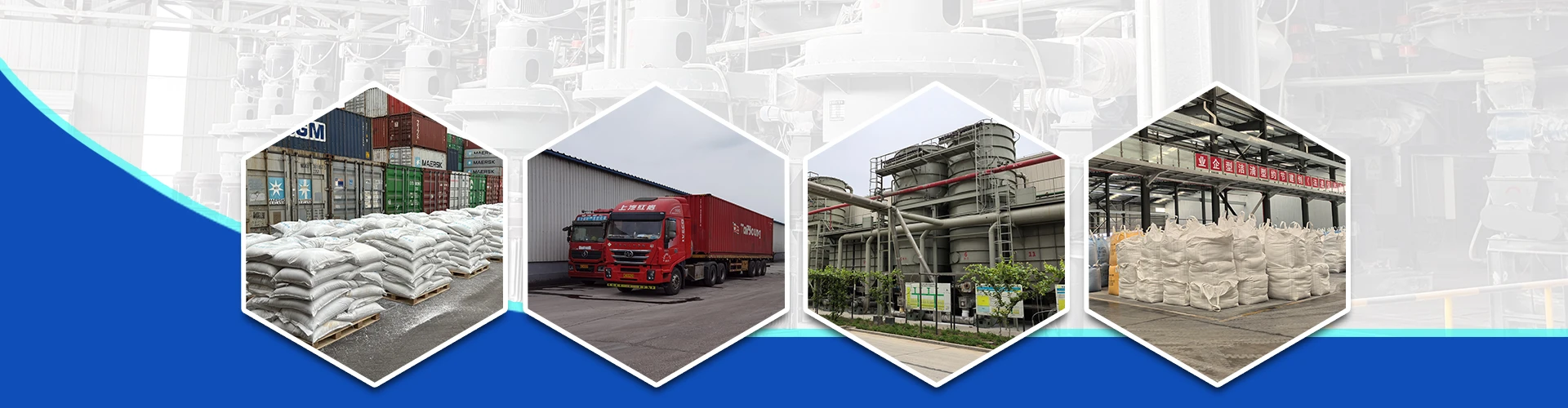
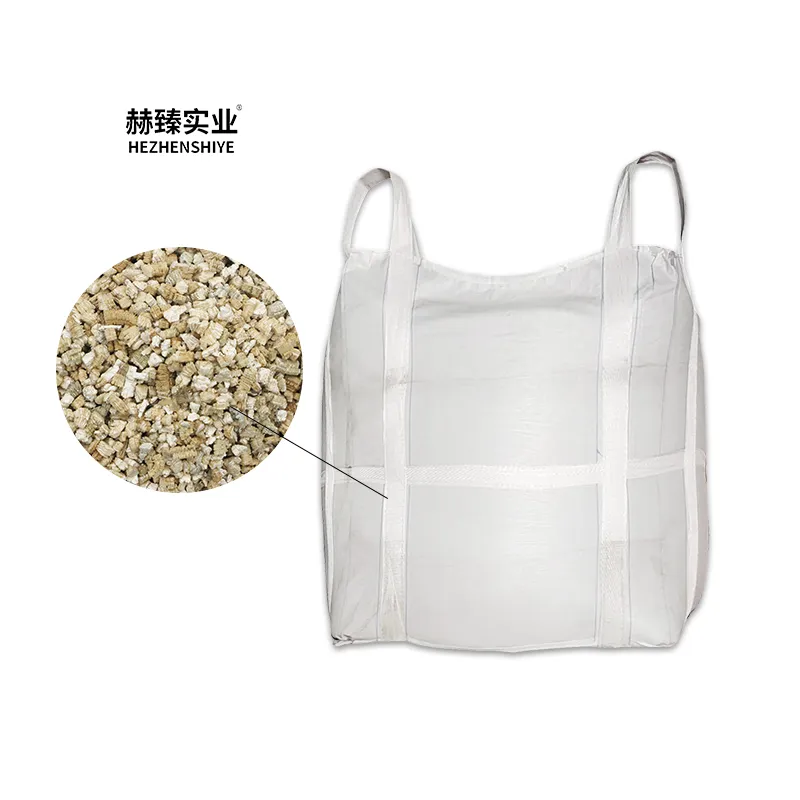
Vermiculite offers a range of practical advantages that simplify application and reduce operational costs for businesses of all sizes, from small studios to large industrial facilities. A major benefit is ease of use: it requires no specialized or expensive equipment to handle. Loose fill vermiculite comes in durable, easy-to-store bags that can be poured directly into insulation cavities, packaging containers or kiln linings—no heavy machinery needed. Mixed formulations (like refractory pastes or insulation plasters) blend smoothly with standard tools, such as handheld mixing buckets, trowels or drill-attached paddles, integrating seamlessly into existing workflows without requiring staff training or new equipment purchases. Supply reliability is another key advantage: its wide global mining network spans multiple continents, ensuring consistent access to material even for urgent renovation projects, seasonal production spikes or high-volume industrial orders. This global sourcing also helps stabilize pricing, avoiding shortages that often plague synthetic materials. Safety is another strong point: it is non-toxic, odorless and dust-free when processed properly, making it safe for use in occupied spaces like co-working areas, studio workshops, data centers and renovated commercial spaces—no need for special ventilation or protective gear during application. Modern processing includes rigorous screening to ensure uniform particle size, so performance remains consistent across batches—critical for applications like kiln linings or data center insulation where uniformity matters. It also blends seamlessly with wide range of common materials, including binders, plasters, cement and lime, letting businesses adapt it to existing product recipes or construction methods without costly formula adjustments.