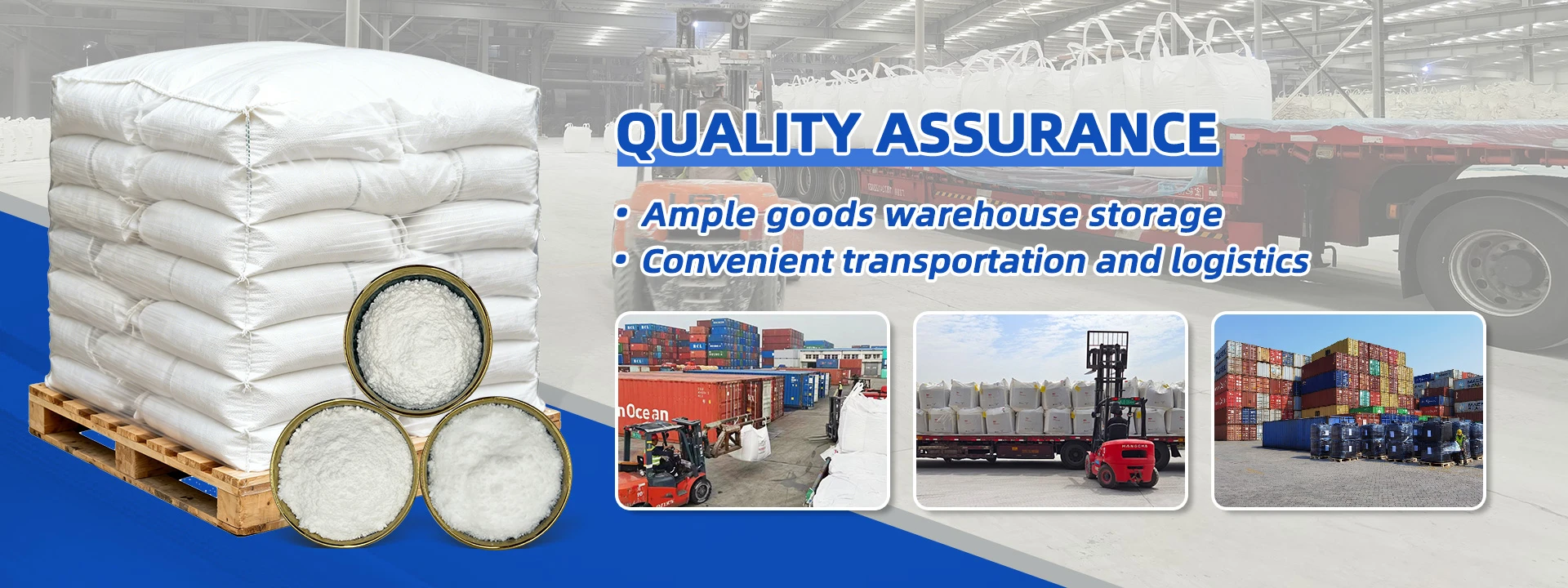
White zeolite powder is a lightweight white mineral powder extracted from natural zeolite rock, widely used in home planting, aquaculture, water purification and environmental improvement fields.

The origin of all natural white zeolite starts with ancient volcanic activities that happened millions of years ago. In remote geological ages, underground high temperature pushed massive volcanic ash, lava fragments and volcanic glass to the ground surface during volcanic eruptions. These scattered volcanic materials were stacked into thick layers on land or shallow water areas, mixing with local clay and sediment layer by layer. At the beginning, these volcanic fragments are hard glass blocks without adsorption ability. Later, underground water rich in mineral elements continuously flows through the stacked volcanic layers for tens of thousands of years. The mineral water slowly triggers chemical reactions inside volcanic glass under stable temperature and pressure environment. Silicon, aluminum, calcium and sodium elements inside volcanic substances rearrange their internal molecular structure, forming countless tiny connected hollow channels inside the rock. After long-term natural mineralization, ordinary volcanic sediment turns into complete natural zeolite ore. The pure white zeolite ore forms in water-rich volcanic sediment zones with low iron and metal impurities; if the ore contains extra iron oxide, it will turn gray, light yellow or light green, so white zeolite represents high-purity raw ore with few mixed impurities.
Natural white zeolite ore usually distributes in stable ancient volcanic basin zones around the world. Most high-quality white zeolite mineral deposits form in areas with repeated mild volcanic activities rather than violent volcanic mountains. The forming environment requires long-term static water soaking and slow mineralization, which avoids a large number of colored metal impurities mixing into the rock layers. Mineral veins of white zeolite often distribute in layered sedimentary rock groups, mixed with thin layers of clay and sandstone. When geological workers confirm a zeolite mining area, they first carry out sampling inspection to judge the purity and whiteness of raw ore. Only ore blocks with high whiteness, low impurity content and complete porous crystal structure will be selected as raw materials for producing white zeolite powder; gray or discolored zeolite ore will be separated and processed into low-grade zeolite products for other general uses.
After qualified white zeolite raw ore is mined from mineral deposits, it goes through a set of standardized physical processing steps to turn into fine white zeolite powder, and no chemical additives are added in the whole production process. The first step is natural sun drying. Large ore blocks transported out of mines contain surface mud and internal water, so workers spread ore blocks on open drying ground to remove excess water. Dry ore becomes harder and easier to crush, and water evaporation can also wash away part of soluble surface impurities. The second step is rough crushing. Large complete ore blocks are sent into crushing machines and broken into small uniform particles, removing obvious mixed soil and colored sundries during screening. The third step is fine grinding. Small zeolite particles are put into grinding equipment to be ground into fine powder of different fineness according to customer demand. The last step is secondary screening and purification. Ground powder passes through multi-layer fine screens to separate coarse particles and residual impurities, then pure uniform white zeolite powder is packed into sealed bags for storage and transportation. The whole physical processing retains all natural crystal pore structures inside zeolite without destroying its original natural performance.
The unique natural formation process brings white zeolite powder its most valuable natural features. First, uniform internal micropores. The long-term mineralization reaction creates countless tiny holes inside each powder particle. These holes can lock excess moisture, absorb peculiar smell and trap tiny suspended impurities, which is the core advantage that distinguishes zeolite from ordinary stone powder. Second, stable natural mineral composition. White zeolite formed by volcanic mineralization contains natural calcium, potassium and magnesium trace elements, which can slowly release mild beneficial substances into water and soil without producing harmful chemical residues. Third, stable physical and chemical performance. It will not dissolve in water, resist mild acid and alkali environment, and will not decompose or lose adsorption effect under normal temperature changes. Fourth, light specific gravity. Compared with limestone powder and quartz powder of the same volume, white zeolite powder is lighter because of its internal hollow pore structure, which makes it easy to mix evenly with soil or spread into water.
Different mining areas produce white zeolite powder with slight differences caused by local geological forming conditions. High-quality white zeolite mineral deposits form in deep ancient volcanic sedimentary basins with fewer external impurities interference. The powder made from this kind of ore presents bright pure white color, fine smooth touch and strong adsorption capacity. Some shallow-layer zeolite deposits are affected by surface soil erosion during formation, with a small amount of trace colored minerals mixed in raw ore. The powder made from such ore shows faint off-white tone and slightly weaker adsorption effect. Manufacturers will mark powder grades according to raw ore sources, and high-purity white zeolite powder is widely favored for high-standard planting and water treatment projects.
Many buyers cannot tell genuine natural white zeolite powder from fake mixed stone powder, and the difference directly comes from their different sources. Fake white powder products often mix ground limestone powder, talcum powder or common clay powder without volcanic mineralization process. These mixed powders have no natural micropore structure, cannot absorb odor or adjust water balance, and only have similar white appearance. Simple test methods can distinguish genuine products quickly. Put a spoon of white zeolite powder into clean water; natural zeolite will produce tiny continuous bubbles because air in internal pores is squeezed out by water, while fake mixed white powder only sinks quietly without bubble reaction. Touch the dry powder with hands: genuine white zeolite powder is light and fluffy, and fake stone powder feels heavy and dense.

The complete source chain of white zeolite connects ancient volcanic geological changes, natural mineralization, scientific ore selection and physical fine processing. It is a purely natural mineral material without artificial chemical synthesis. Its special porous crystal structure formed over millions of years is the foundation of all its practical functions in daily life and environmental treatment. Choosing white zeolite powder made from high-purity volcanic zeolite raw ore can fully display its natural adsorption and nutrition releasing effects. Understanding the source and forming process of white zeolite powder helps buyers judge product quality reasonably, select suitable fineness grades according to usage scenarios, and make full use of this eco-friendly natural volcanic mineral powder.