



Resolving Pigment Hard-Caking, Severe Film Sagging, and High-Temperature Syneresis in Non-Aqueous Systems
In high-performance industrial coatings, protective marine paints, high-temperature lubricating greases, polyurethane sealants, and oil-based drilling fluids (OBM/SBM), formulation chemists face demanding rheological control challenges:
- Severe Pigment Settling & Irreversible Hard-Caking: Heavy anticorrosive pigments (zinc dust, micaceous iron oxide, barium sulfate, titanium dioxide) rapidly settle during transport and storage, forming rock-hard, un-redispersible sediment at the bottom of containers.
- Curtain Sagging vs. Orange-Peel Flow Trade-Off: Achieving high dry film thickness (DFT ) in a single coat without vertical sagging, curtaining, or edge pull-away often compromises paint leveling, resulting in severe surface brush marks or orange-peel defects.
- Thermal Syneresis and Oil Bleeding in Lubricating Greases: Standard soap-based greases soften, bleed oil, and liquefy under sustained operating temperatures above , failing to maintain lubricating film integrity under high shear and mechanical load.
- High-Temperature, High-Pressure (HTHP) Fluid Loss in Oil-Based Mud: In deep offshore and unconventional shale drilling, oil-based muds require stable suspension and emulsion stability across wide temperature windows () without barite sag or viscosity collapse.
hezhensy industrial resolves these complex formulation bottlenecks with its Engineered High-Purity Organophilic Bentonite (Organoclay Series). Synthesized from high-purity sodium montmorillonite () organically modified via quaternary ammonium surfactant intercalation and ultra-fine air classification, hezhensy organoclay provides exceptional shear-thinning thixotropy, complete pigment anti-settling, high vertical sag resistance, and extreme thermal shear stability.
 Intercalation Nanotechnology & Thixotropic Network Mechanism
[ hezhensy Organoclay Interlayer Expansion & 3D Gel Network Mechanism ]

  High-Purity Na-Montmorillonite (d001 ≈ 1.2 nm) + Quaternary Ammonium Salt
  ──────────────────────────────────────────────────────────────────────────────
  [ Cation Ion-Exchange Intercalation ] ──► [ Organophilic Expanded Platelet (d001 ≈ 2.2–3.8 nm) ]
  (Hydrophilic surface converted to lipophilic)  (High interlayer spacing for solvent penetration)
  ──────────────────────────────────────────────────────────────────────────────
                                        │
             ┌──────────────────────────┴──────────────────────────┐
             ▼                                                     ▼
  [ High-Shear Delamination & Gelation ]                [ Reversible Hydrogen-Bonding Network ]
  (Platelets separate into nano-sheets;                  (Edge-to-edge organic bridging;
builds high low-shear viscosity for anti-settling) breaks down under shear, recovers fast)- Quaternary Ammonium Intercalation & Basal Spacing Expansion: Through ion exchange, long-chain alkyl quaternary ammonium cations (such as dimethyl dihydrogenated tallow ammonium) substitute for interlayer sodium ions. This alters the bentonite surface from hydrophilic to organophilic, expanding the basal interlayer spacing () from up to , allowing non-polar and polar organic solvent molecules to penetrate the crystal gallery.
- Reversible 3D Thixotropic Card-House Network: Under moderate mechanical shear and polar activator induction (e.g., ethanol/water or propylene carbonate), the organoclay platelets delaminate into high-aspect-ratio () nano-platelets. Edge-to-face and organic-tail interactions form a reversible three-dimensional physical network that yields:
- High Low-Shear Viscosity: Holds dense metallic pigments and functional fillers in suspension indefinitely during prolonged storage (Grade 10 Anti-Settling, ASTM D869).
- Pseudoplastic Shear-Thinning Flow: Viscosity drops sharply during pumping, roller application, or airless spraying for smooth atomization and substrate wetting.
- Fast Structural Recovery: Regains structure within seconds post-application, stopping paint runs and sagging on vertical steel beams and inverted hulls.
- Non-Melting High-Temperature Thermal Stability: Being inorganic silicate-based, the core platelets do not melt or soften at high temperatures. In synthetic lubricating greases and oil-based drilling muds, hezhensy organoclay retains its thixotropic gel matrix up to without drop point breakdown.
Performance Comparison: hezhensy Organoclay vs. Alternative Rheology Modifiers
Technical Specifications: hezhensy Organoclay Series
hezhensy industrial manufactures precision-engineered organoclay grades tailored for specific solvent polarities and processing conditions:
 Multi-Industry Application Matrix & Formulation Guidelines
[ hezhensy Organoclay Multi-Industry Formulation Architecture ]

  hezhensy Organoclay Solutions
  │
  ├──► Heavy-Duty Protective & Marine Paints ──► Epoxy, polyurethane, alkyds, zinc-rich primers
  ├──► High-Temperature Lubricating Greases  ──► Non-melting synthetic & mineral oil greases
  ├──► Oil-Based Drilling & Invert Emulsions ──► HTHP oilfield drilling muds, barite suspension
  └──► Adhesives, Sealants & Composites      ──► Polyurethane / MS polymer gap-filling sealants
1. Heavy-Duty Protective, Marine, and Industrial Anticorrosive Coatings
In solvent-based epoxy primers, high-solids polyurethanes, and zinc-rich coatings ( dosage), hezhensy organoclay prevents zinc dust hard-caking and eliminates paint curtaining during high-pressure airless spraying on offshore oil platforms, bridges, and naval vessels.
2. High-Temperature Non-Melting Lubricating Greases
In high-temperature industrial greases used in steel mill rollers, mining conveyors, and kiln bearings, hezhensy organoclay functions as a non-soap gelling agent, producing greases with no drop point () and high resistance to water washout.
3. Oil-Based (OBM) & Synthetic-Based (SBM) Drilling Fluids
In deep exploration wells subjected to temperatures exceeding , hezhensy organoclay maintains reliable rheological suspension, stabilizes oil-water emulsion interfaces, and prevents high-density barite weighting agents from settling in deviated wellbores.
4. Polyurethane, Polysulfide, and Bituminous Sealants
Provides non-slump thixotropic body for construction joint sealants, preventing joint sag in vertical wall seams while facilitating smooth tooling and surface extrusion.
Activation and Processing Guidelines
To ensure complete platelet delamination and maximum gel efficiency:
Standard Grade Processing (Pre-Gel / Direct Addition):
- Solvent / Resin Addition: Charge organic solvents or base resins into the dispersion vessel.
- Organoclay Addition: Add hezhensy organoclay powder () under moderate agitation.
- High-Shear Dispersion: Disperse under high shear ( peripheral speed) for .
- Polar Activator Induction: Add polar activator ( Ethanol/Water or Propylene Carbonate) at , shearing for an additional until full gelation is achieved.
Self-Activating Grade Processing (HZ-ORG500):
Requires no polar activator chemical. Simply introduce directly into the resin/solvent mixture and disperse under standard high-speed dissolver shear for .
Stringent Quality Control, Packaging, and Global Supply Chain
hezhensy industrial operates specialized cleanroom chemical modification lines:
- Ultra-Fine Micro-Sifting & Low Quartz Grit (): Automated multi-stage cyclone classification eliminates abrasive silica grit, achieving a Hegman grind fineness of , preventing damage to fine coating nozzles and precision rolling bearings.
- Advanced Spectroscopic Quality Control: Each production lot undergoes laser diffraction sizing (), FTIR chemical bond verification, and thermogravimetric organic content analysis (TGA).
- Export-Grade Moisture-Proof Packaging:
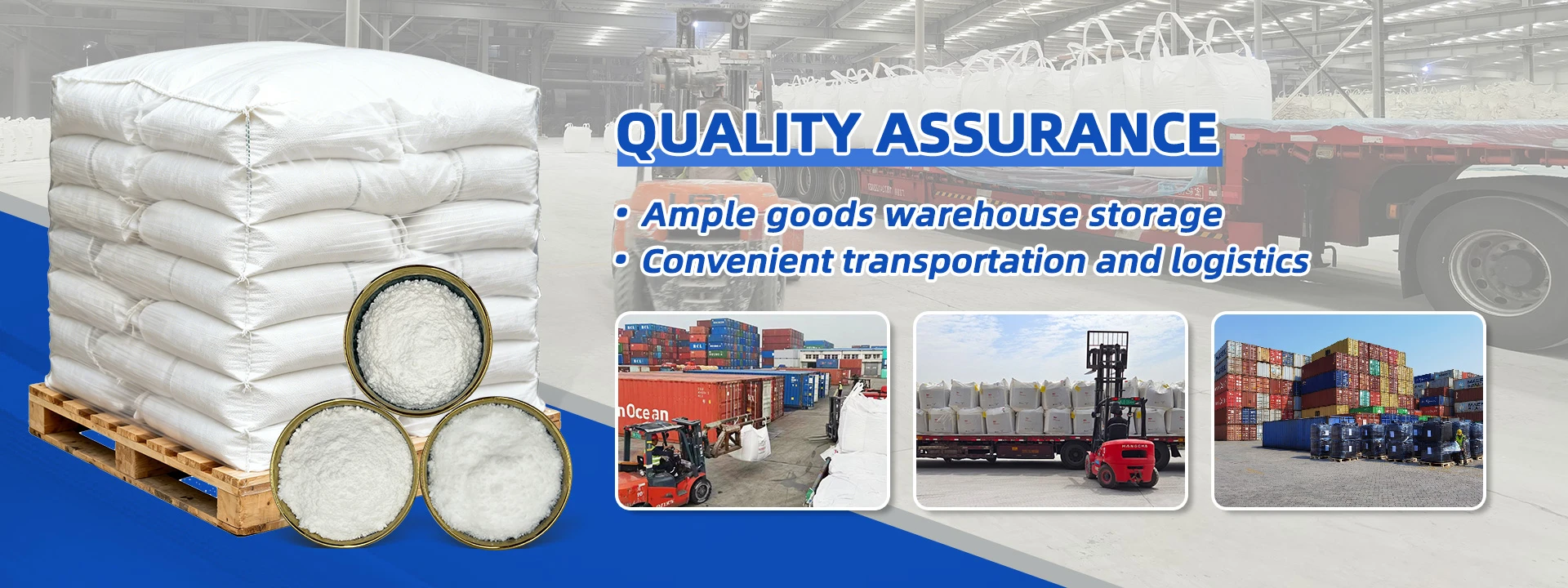
- Standard Packaging: multi-ply kraft paper bags with internal heat-sealed aluminum-plastic foil moisture-barrier liners ().
- Jumbo Bulk FIBC Bags: and anti-static, conductive bulk bags with inner PE barrier film.
- Global Rapid Dispatch: Direct container shipping from Tianjin, Qingdao, and Shanghai ports with full COA, MSDS, REACH, and RoHS regulatory compliance documentation.
Partner with hezhensy industrial
Achieving precise rheological performance, zero hard-caking, and high-temperature sag resistance in non-aqueous formulations requires premium, chemically pure organophilic bentonite. hezhensy industrial is your dedicated global chemical technology partner for advanced organoclay additives.
Contact our industrial rheology technical team today to request physical sample kits, solvent compatibility charts, technical data sheets (TDS), and container-load export quotations.
Disclaimer: Optimal organoclay loading, polar activator ratios, and required shear energy depend on resin system chemistry, solvent solubility parameters, and application temperature. Batch-specific organic content, Hegman fineness, and gel properties are verified on each delivery via our official Certificate of Analysis (COA).


