

What Is Kaolin? A Versatile Mineral Widely Used Across Industries
What Is Kaolin? A High-Value Industrial Mineral Used Worldwide
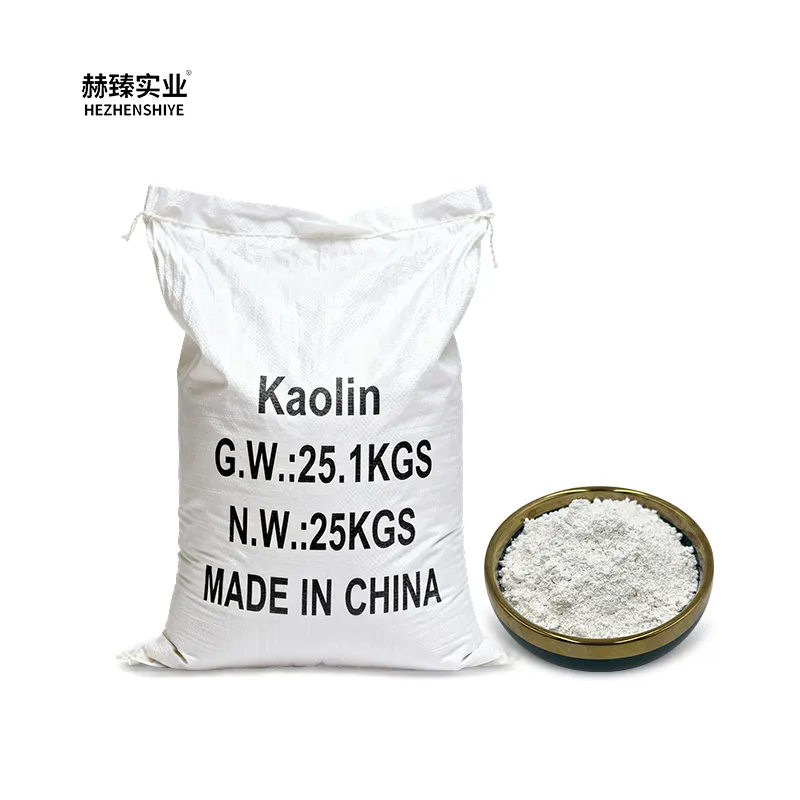
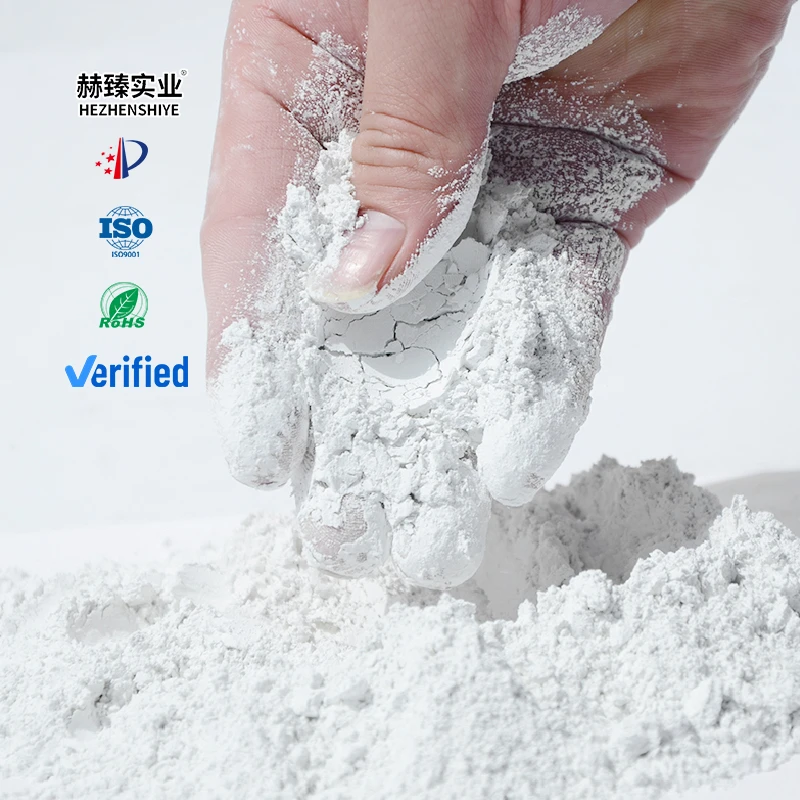
Kaolin—often referred to as china clay—is a widely utilized industrial mineral known for its purity, stability, and environmentally friendly nature. Composed mainly of hydrated aluminum silicate (Al₂Si₂O₅(OH)₄), kaolin is valued for its excellent whiteness, chemical inertness, and heat resistance. It can be mined directly from natural deposits or further refined to improve brightness and performance. Thanks to these advantages, kaolin has become an essential raw material in ceramics, paper, coatings, plastics, cosmetics, construction, and many other industries.
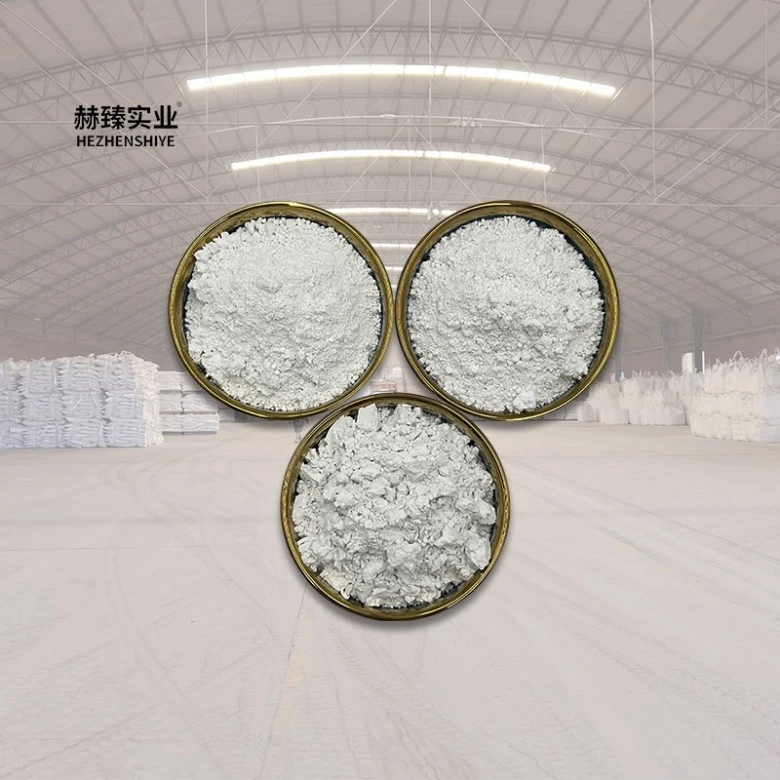
Our product range includes washed kaolin, calcined kaolin, and metakaolin. Calcined kaolin features higher brightness and opacity, while metakaolin is known for its strong pozzolanic activity, making it highly favored in high-performance concrete and engineering applications.
1. Origin and Categories of Kaolin: How Is It Formed?
Kaolin results from the long-term weathering of feldspar-rich rocks such as granite. During this natural transformation, the minerals break down to form soft, fine, white clay layers rich in kaolinite. Based on formation and processing methods, kaolin can be classified into two major groups:
Washed (Hydrous) Kaolin
This type is derived from deposits and purified by physical processes such as washing, screening, and magnetic separation. With good whiteness and fine particle distribution, it is commonly used in paper, ceramics, rubber, and coating industries.
Calcined Kaolin & Metakaolin
Calcined kaolin is produced by heating purified kaolin under controlled conditions to increase brightness, opacity, and stability.
Metakaolin, created at higher calcination temperatures, becomes a highly reactive pozzolan widely used in concrete, cement additives, and advanced building materials.
Rich kaolin resources exist in China, the USA, Brazil, India, and Europe. Different regions apply different processing technologies, resulting in various grades suitable for diverse industrial uses.
2. Kaolin’s Key Properties: What Makes It Unique?
Kaolin’s performance advantages make it extremely versatile:
Chemical Stability
It remains inert and non-reactive in most environments, maintaining consistent quality during manufacturing.
High Whiteness and Opacity
Premium kaolin offers excellent brightness and coverage, making it a cost-effective extender pigment for plastics, paper, and coatings.
Thermal Resistance
Its ability to endure high firing temperatures makes it indispensable in ceramics and heat-resistant materials.
Fine Particle Size & Easy Dispersion
Uniformly fine particles improve smoothness, enhance mechanical properties, and disperse well in both aqueous and polymer systems.
Safe and Eco-Friendly
Kaolin is naturally non-toxic and suitable for sensitive applications, including personal care formulations and paper products.
These combined features contribute to kaolin’s strong and ever-growing demand across multiple industries.
3. Application Fields: How Kaolin Is Used in Modern Industry
Kaolin plays a vital role in both traditional manufacturing and modern high-performance sectors:
Ceramics
Used for tiles, porcelain, sanitary ware, and tableware, kaolin enhances plasticity, firing whiteness, and structural strength.
Paper Manufacturing
As a filler and coating pigment, it increases opacity, brightness, smoothness, and printing quality in high-grade paper.
Paints and Coatings
Kaolin improves rheology, suspension stability, and coverage. It also helps reduce titanium dioxide consumption while maintaining excellent performance.
Plastics & Rubber
It boosts strength, heat resistance, and dimensional stability in PVC, polyethylene, cable insulation, rubber parts, and automotive components.
Construction & Cement
Metakaolin significantly enhances concrete durability, strength, and resistance to cracking and chloride penetration.
Cosmetics & Personal Care
Due to its mildness and absorbency, kaolin is used in masks, cleansers, toothpaste, and pharmaceutical formulations.
4. How to Select Quality Kaolin
Choosing the right grade involves evaluating:
Chemical Purity
Lower iron and titanium content results in higher brightness and improved performance.
Particle Size Distribution
Fine, uniform particles offer better dispersion and opacity—important for coatings, plastics, and paper.
Whiteness / Brightness
Critical for industries requiring precise color control such as ceramics and paints.
Calcination Level (for calcined kaolin & metakaolin)
Different temperatures deliver different performance characteristics, so selecting the correct grade is essential.
Surface Treatment
Modified kaolin offers improved compatibility with polymers and enhances mechanical properties in advanced applications.
Certifications
Standards such as ISO, REACH, or SGS provide assurance of stable, safe, and consistent quality.