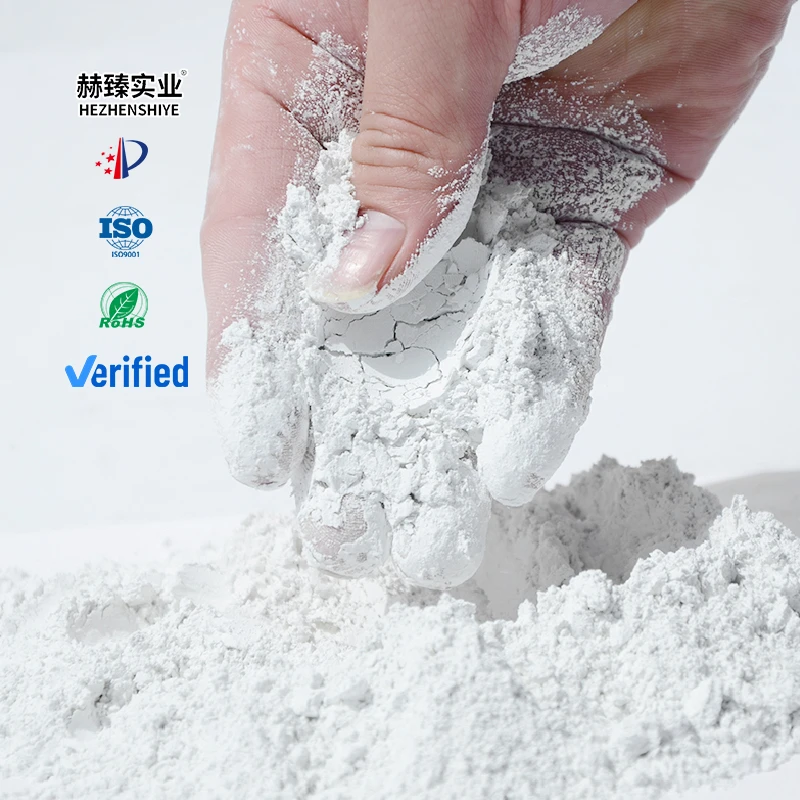



Talc powder for ceramic glaze preparation to create uniform glaze layer and improve glossiness while reducing glaze cracking and enhancing adhesion to ceramic bodies during firing
Talc powder, a versatile and indispensable mineral, plays a pivotal role in the intricate process of ceramic glaze preparation, serving as a cornerstone for achieving optimal glaze quality and performance. Its unique physical and chemical properties make it an essential ingredient that significantly contributes to the formation of a uniform, high - quality glaze layer, thereby enhancing the overall aesthetic appeal and durability of ceramic products.
In the realm of ceramic glaze formulation, the fine particle size of talc powder is a key factor in ensuring even dispersion within the glaze mixture. When incorporated into glaze recipes, these minute particles distribute themselves uniformly throughout the liquid matrix, creating a homogeneous suspension. This even distribution is crucial for achieving a consistent glaze coating on the ceramic body. Without proper dispersion, the glaze may accumulate in certain areas, leading to thick, uneven layers, or conversely, leave gaps or thin spots. Such imperfections can have a detrimental impact on the final appearance of the ceramic piece after firing, resulting in an unprofessional and aesthetically displeasing finish.
For instance, in the production of hand - painted ceramics, where precision and uniformity are highly valued, the use of talc powder helps artists and artisans achieve a smooth, even base for their designs. By ensuring that the colors and patterns are applied consistently across the surface, talc powder allows for the creation of intricate designs with sharp edges and smooth gradients. This is especially important in the case of high - end ceramic art pieces, where the slightest variation in glaze thickness can affect the overall aesthetic of the work. Moreover, the fine particle size of talc powder also reduces the likelihood of clumping, which can disrupt the flow of the glaze and lead to inconsistent application.
Glossiness is a defining characteristic of high - end ceramic glazes, and talc powder is instrumental in enhancing this desirable property. The mineral's smooth, platy crystal structure acts as a natural light reflector. When light strikes the surface of a fired glaze containing talc powder, the flat surfaces of the talc crystals scatter the light evenly, creating a soft, lustrous sheen. This even light reflection not only gives the ceramic a polished and sophisticated appearance but also contributes to its perceived value.
In the competitive market of ceramic tableware, vases, and tiles, where visual appeal is often the deciding factor in consumer purchasing decisions, the enhanced gloss provided by talc powder can set a product apart from its competitors. Luxury dinnerware brands, for example, often rely on talc - enriched glazes to create a luxurious, mirror - like finish that elevates the dining experience and adds a touch of elegance to any table setting. The use of talc powder in glazes can also create different types of finishes, from a high - gloss shine to a more subtle, satin - like luster, allowing manufacturers to cater to a wide range of consumer preferences.
One of the most challenging issues in ceramic glazing is glaze cracking during the firing process. This problem typically arises due to disparities in the thermal expansion rates between the glaze and the ceramic body. As the ceramic piece is heated in the kiln, both the glaze and the body expand, but if their expansion rates do not match, stress accumulates at the interface between the two materials. When the piece cools, this stress can cause the glaze to crack, compromising its integrity and aesthetic appeal.
Talc powder offers an effective solution to this problem by adjusting the thermal expansion coefficient of the glaze. By carefully controlling the amount of talc powder added to the glaze formulation, ceramicists can fine - tune the glaze's expansion rate to closely match that of the ceramic body. This thermal compatibility reduces stress during the heating and cooling cycles, minimizing the risk of crack formation. The result is a more resilient glaze that can withstand the rigors of repeated use and temperature changes without developing unsightly cracks. This is particularly important for ceramic products used in high - temperature environments, such as oven - to - table cookware or fireplace tiles, where durability and heat resistance are essential.
In addition to preventing cracks, talc powder can also improve the overall mechanical strength of the glaze. By acting as a reinforcing agent, talc powder helps to distribute stress more evenly across the glaze surface, reducing the likelihood of chips and scratches. This is especially beneficial for ceramic products that are subject to frequent handling or rough use, such as outdoor tiles or kitchen countertops.
The adhesion between the glaze and the ceramic body is another critical aspect that directly impacts the longevity and performance of ceramic products. A well - adhered glaze not only enhances the visual appeal of the ceramic but also provides protection against wear, tear, and chemical damage. Talc powder improves glaze - body adhesion through a complex series of chemical and physical reactions that occur during firing. As the temperature in the kiln rises, the components of the glaze and the ceramic body begin to interact, and the talc powder acts as a bridge, facilitating the formation of strong chemical bonds between the two materials. This results in a tight, tenacious bond that prevents the glaze from peeling or chipping off the ceramic surface.
For everyday ceramic items like mugs, plates, and bowls, which are subject to frequent handling, washing, and potential impacts, a strong glaze - body adhesion is essential. Without proper adhesion, the glaze can easily become damaged, exposing the underlying ceramic to moisture, stains, and bacteria, reducing the product's lifespan and functionality. In addition, good adhesion ensures that the glaze remains intact during the firing process, preventing issues such as crawling or pinholing, which can affect the appearance and quality of the final product.
In addition to its primary functions, talc powder also offers several secondary benefits in ceramic glaze preparation. It can act as a flux, lowering the melting point of the glaze and facilitating the formation of a smooth, glassy surface during firing. This property is particularly useful in reducing firing temperatures, which can lead to energy savings and cost reductions in large - scale ceramic production. By lowering the melting point, talc powder allows for a more efficient use of resources, as less energy is required to achieve the desired glaze properties.
Moreover, talc powder can improve the workability of the glaze, making it easier to apply to the ceramic body. Whether the glaze is being applied by dipping, spraying, or brushing, the addition of talc powder can enhance the glaze's viscosity and flow properties, allowing for more precise and consistent application. This is especially important in industrial settings, where high - volume production requires a glaze that can be applied quickly and efficiently without sacrificing quality. Additionally, the improved workability of the glaze can also reduce the amount of waste generated during the application process, further contributing to cost savings.
The quality and purity of talc powder used in ceramic glazing are of utmost importance. Different grades of talc powder vary in their chemical composition, particle size distribution, and impurities content, all of which can have a significant impact on the final properties of the glaze. High - purity talc powder with a narrow particle size distribution is generally preferred, as it ensures more consistent results and minimizes the risk of unwanted reactions or defects in the glaze.
Manufacturers and ceramicists must carefully select and test talc powder suppliers to ensure that they are using a product that meets their specific quality requirements. This includes conducting regular quality control tests to check for impurities, such as heavy metals or other contaminants, which can affect the safety and performance of the ceramic product. In addition, the particle size distribution of the talc powder should be carefully monitored to ensure that it is suitable for the intended application. A consistent particle size distribution is essential for achieving uniform dispersion and optimal glaze properties.
Furthermore, the environmental impact of talc powder use in the ceramic industry is an increasingly important consideration. As the industry moves towards more sustainable practices, efforts are being made to minimize the environmental footprint associated with talc mining and processing. This includes initiatives to reduce waste generation, improve energy efficiency, and ensure responsible sourcing of talc minerals.
In addition, research is ongoing to develop alternative materials or formulations that can achieve similar results to talc powder in ceramic glazing while having a lower environmental impact. For example, some researchers are exploring the use of natural clays or recycled materials as substitutes for talc powder. These alternative materials offer the potential to reduce the environmental impact of ceramic production while still maintaining the quality and performance of the final product. However, further research is needed to fully understand the properties and limitations of these alternative materials and to develop effective formulations for use in ceramic glazing.
In conclusion, talc powder is an indispensable component in ceramic glaze preparation, offering a wide range of benefits that contribute to the production of high - quality, durable, and aesthetically pleasing ceramic products. From ensuring uniform glaze application and enhancing glossiness to preventing glaze cracking and improving adhesion, talc powder plays a multifaceted role in the complex art and science of ceramic glazing.
As the ceramic industry continues to evolve, the understanding and utilization of talc powder will undoubtedly remain a crucial aspect of producing exceptional ceramic products that meet the ever - changing demands of consumers. However, it is also important for the industry to address the environmental concerns associated with talc powder use and to explore alternative materials and practices that can reduce the environmental impact of ceramic production while still maintaining the high standards of quality and performance that consumers expect.