Product Description
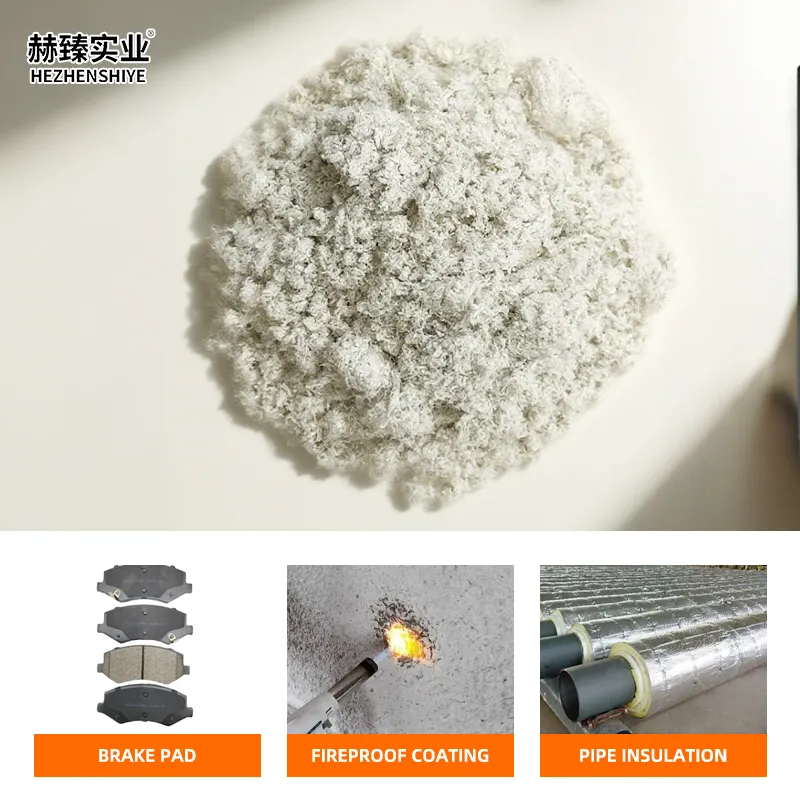
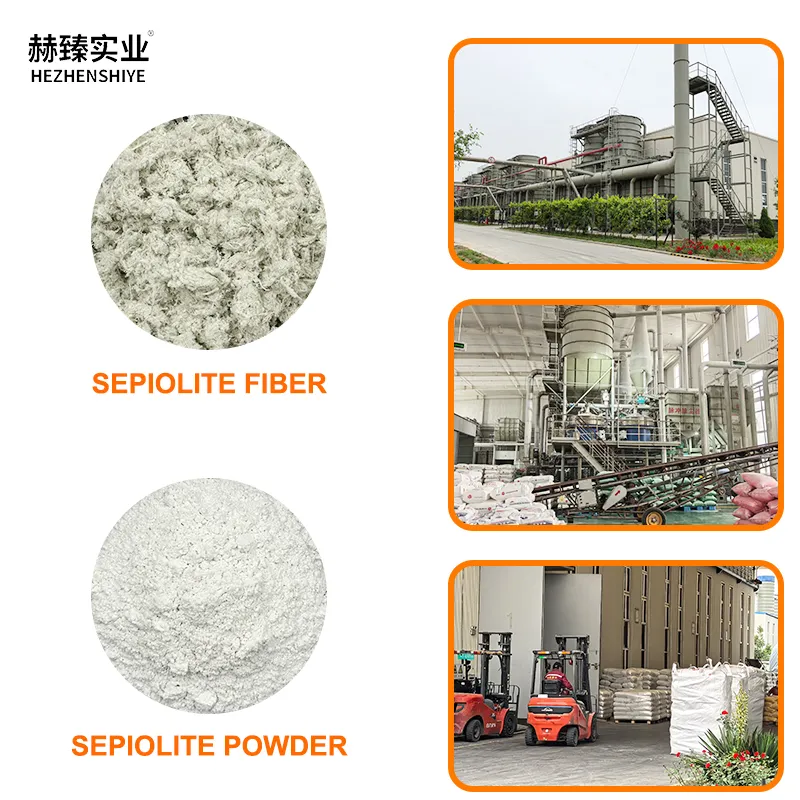
In the rubber industry, sepiolite fiber acts as a reinforcing agent. Its high aspect ratio and large surface area enhance the mechanical properties of rubber compounds, improving tensile strength, tear resistance, and abrasion resistance. This makes it ideal for manufacturing durable rubber products like tires, hoses, and seals.
Sepiolite powder is a key ingredient in road - building paints. When incorporated, it improves the paint's rheological properties, ensuring better spreadability and adhesion to road surfaces. It also enhances the paint's weather resistance, protecting roads from UV radiation, moisture, and temperature fluctuations, thus extending their lifespan.
Sepiolite fleece, a mineral - fiber - based material, offers excellent thermal and acoustic insulation. Its lightweight and flexible nature make it suitable for use in construction, reducing energy consumption in buildings by minimizing heat transfer and sound transmission. Overall, sepiolite - derived products are revolutionizing multiple sectors with their exceptional performance characteristics.
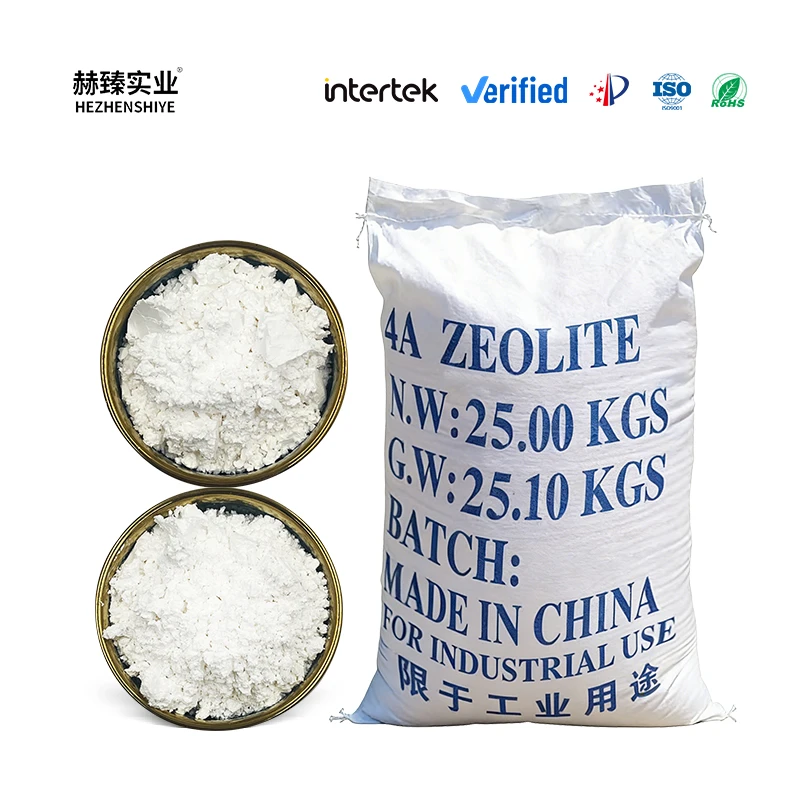
| Place of Origin |
China |
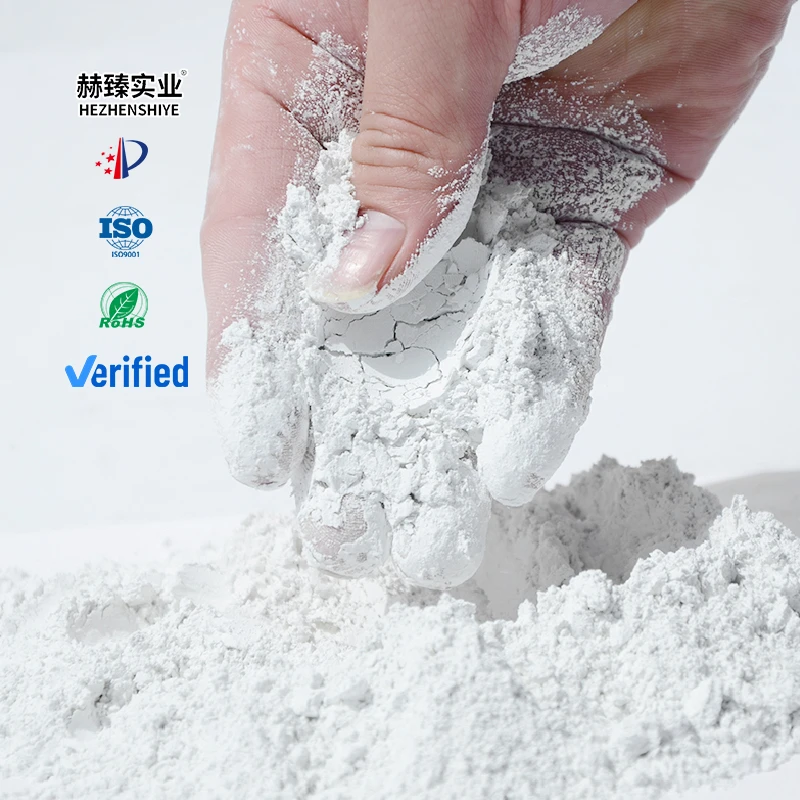
| Color |
White |
| Shape |
Powder |
| Purity |
97% |
| Grade |
industrial Grade |
| Package |
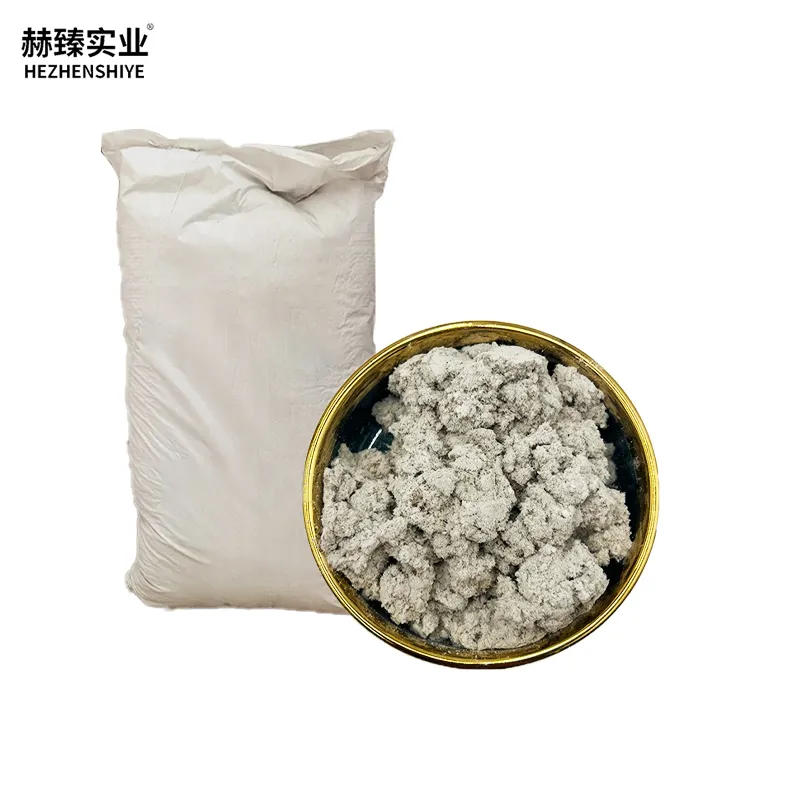
25kg/bag,customized package |
| MOQ |
1kg |
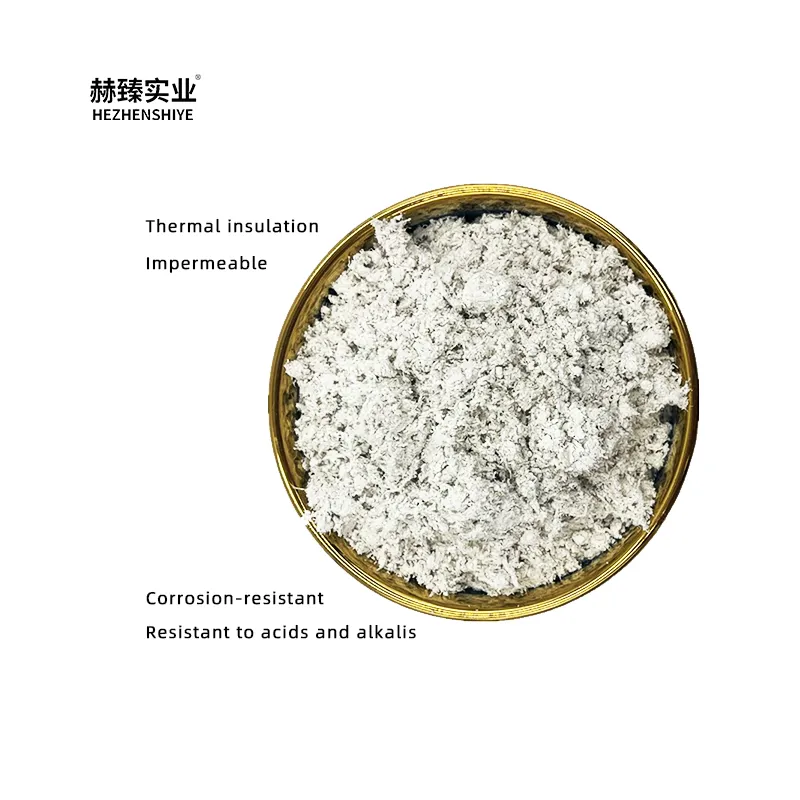
Core properties of Sepiolite Fiber include strong adsorption capacity, reliable mechanical reinforcement, good rheological adjustability and stable chemical properties. Porous structure provides extremely large specific surface area, enabling it to efficiently capture liquids, gases and micro-particles. Surface hydroxyl groups on Sepiolite Fiber enhance adsorption selectivity by forming hydrogen bonds with target substances. Fibrous morphology allows it to interweave with other materials to form stable networks, improving mechanical strength of composites. Rheological adjustability means it can change flow state of liquid systems, while chemical inertness ensures compatibility with various matrices without adverse reactions.
Automotive interior materials industry gains notable value from comprehensive properties of Sepiolite Fiber. When added to automotive interior substrates such as door panels, seat cushions and dashboard materials, Sepiolite Fiber acts as reinforcement and odor-adsorption additive. Its fiber bundles interlock with polymer matrices like polypropylene or polyurethane, enhancing tensile strength and impact resistance of interior parts, reducing deformation during long-term use. Porous structure of Sepiolite Fiber can adsorb volatile organic compounds and odor molecules released from plastics and adhesives in interiors, improving in-car air quality. Additionally, it reduces density of interior materials, contributing to lightweight design of vehicles and reducing fuel consumption.
Industrial putties sector relies heavily on rheological adjustability and reinforcement properties of Sepiolite Fiber. As key component of metal repair putties, wall putties and wood filling putties, Sepiolite Fiber solves problems of sagging, cracking and poor adhesion in traditional putties. Its fibrous structure forms three-dimensional network in putty matrix, increasing viscosity at rest to prevent sagging during application on vertical surfaces. During scraping, this network temporarily breaks to ensure smooth construction. After curing, interwoven fiber bundles enhance crack resistance of putty layers, avoiding peeling caused by substrate expansion and contraction. Porous structure of Sepiolite Fiber also improves adhesion between putty and substrates, ensuring firm bonding with metal, concrete and wood surfaces.

Gas adsorbents field is important application area where Sepiolite Fiber demonstrates unique advantages. It is processed into granular or honeycomb adsorbents for removing harmful gases from industrial waste gas and indoor air. Hierarchical porous structure of Sepiolite Fiber enables it to capture gas molecules of different sizes, such as formaldehyde, benzene and sulfur dioxide. Surface modification can enhance its adsorption capacity for specific gases—for example, treating with amino compounds to improve adsorption of acidic gases. Compared with synthetic adsorbents, Sepiolite Fiber has lower cost and better regeneration performance; it can restore adsorption capacity through thermal desorption, suitable for cyclic use in industrial waste gas treatment systems and indoor air purifiers.
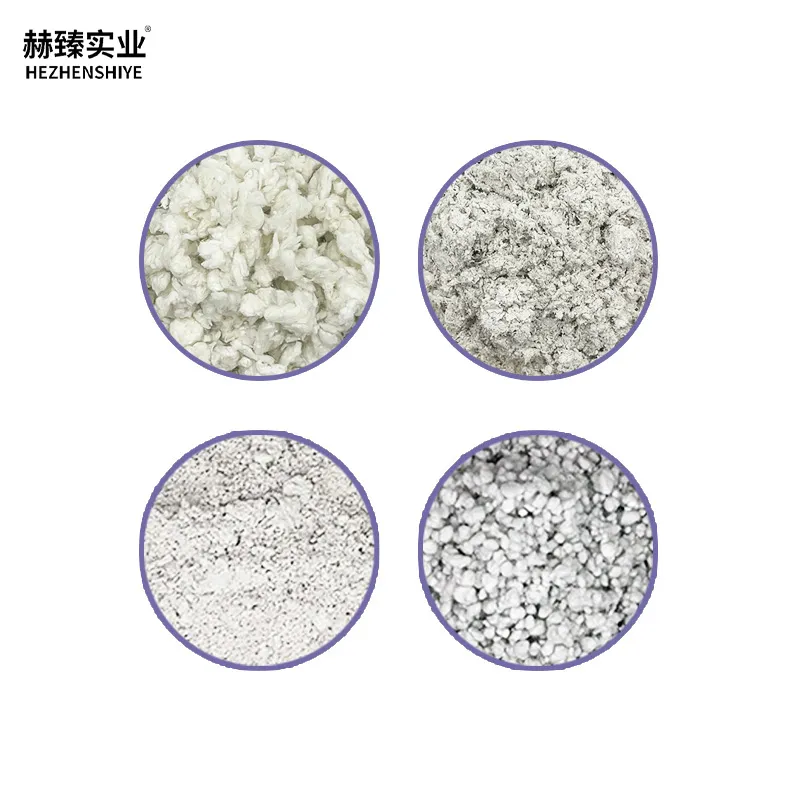
Processing of Sepiolite Fiber is designed to preserve natural properties with simple and low-energy procedures. After mining raw ore, it is first air-dried to remove surface moisture, then crushed into small aggregates with gentle pressure. Air classification technology separates slender Sepiolite Fiber bundles from impurities like sand and stone. For different application scenarios, targeted modification is conducted—for example, surface treatment with coupling agents to enhance compatibility with automotive polymers, or granulation to form regular-shaped adsorbents.





 Banner PDF
 Get A Quote