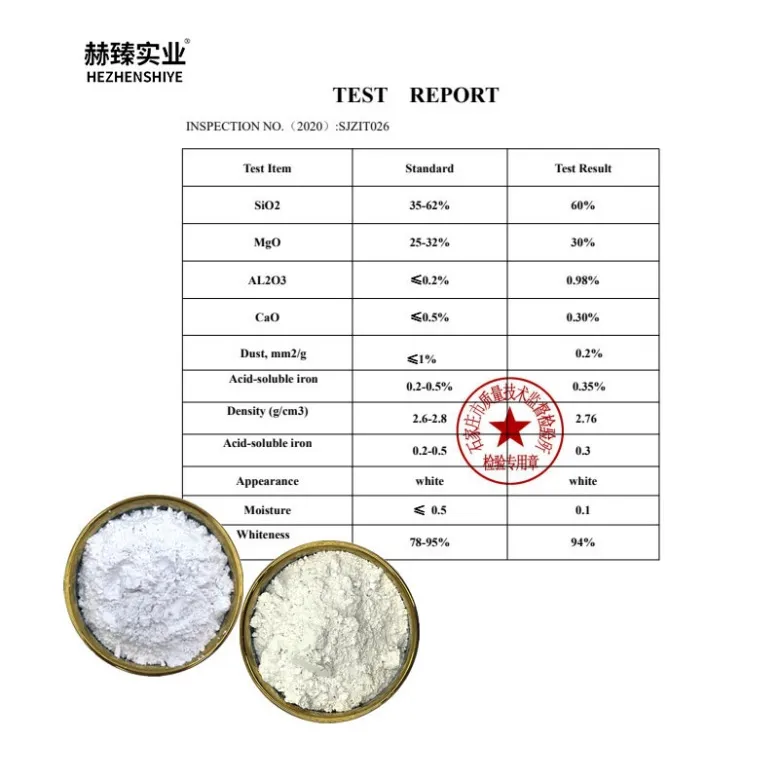
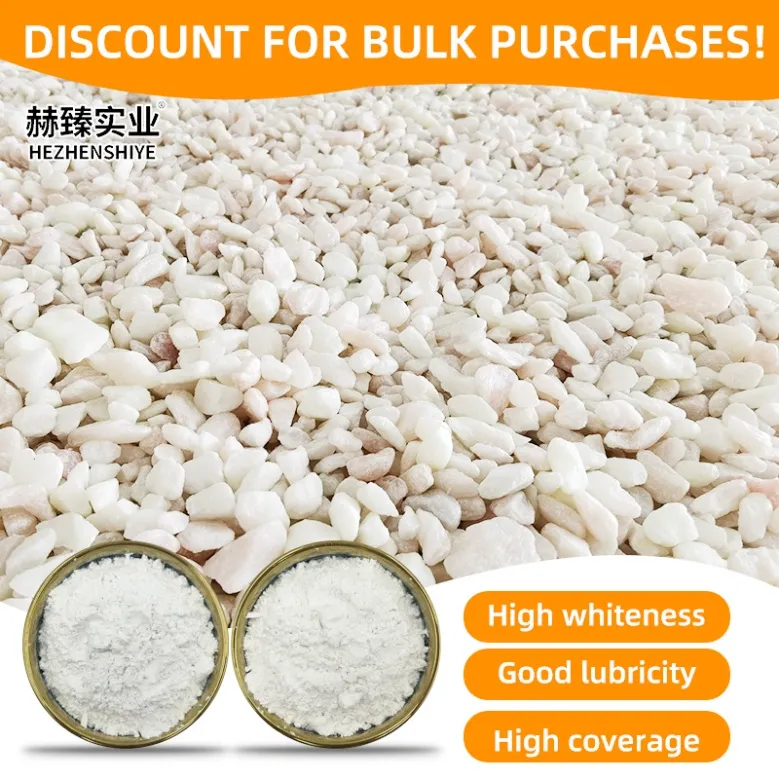
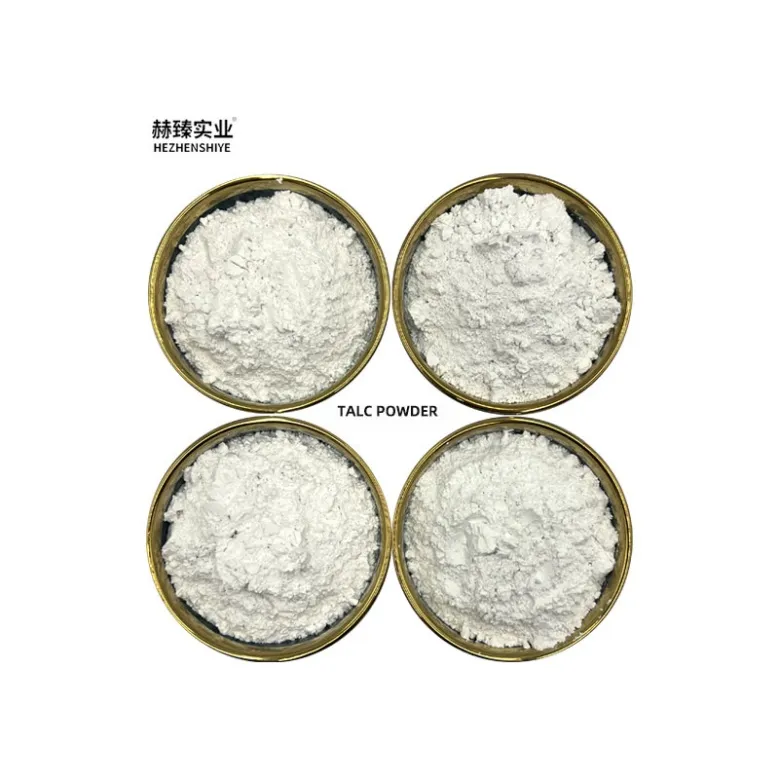
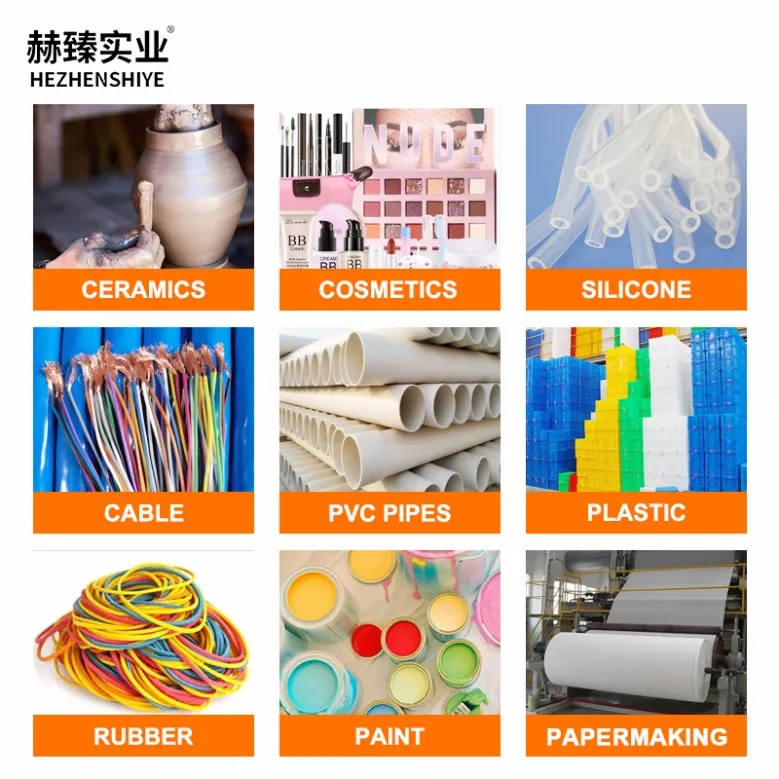
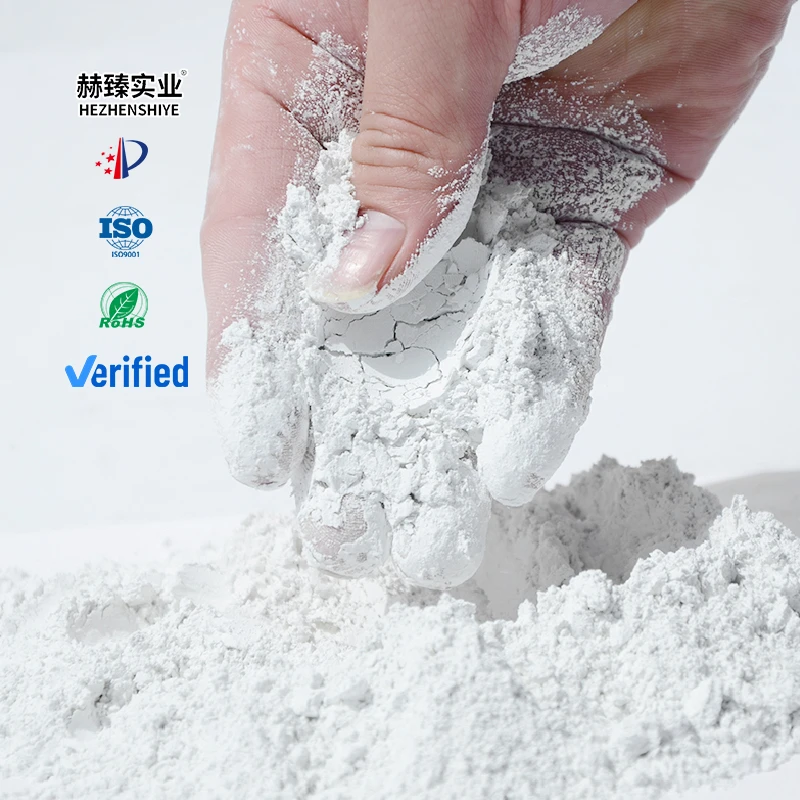
Construction sealant production relies heavily on talc powder to improve product reliability and applicability in various building scenarios, from high-rise commercial buildings to residential complexes and industrial workshops. Talc powder integrates seamlessly into silicone, polyurethane and acrylic sealants—three mainstream types used for sealing building joints, structural gaps, waterproofing layers and expansion seams that face frequent environmental stress. These sealants are widely applied in basement walls, rooftop edges, exterior wall cladding and window frames, where talc powder plays a key role in optimizing performance. It precisely adjusts sealant viscosity to match different application methods, whether manual caulking or mechanical spraying, ensuring smooth application even on uneven concrete, metal, glass or ceramic substrates. Platy particles of talc powder overlap tightly within sealant matrices to form dense, impermeable barrier, significantly boosting water and moisture resistance to prevent leakage and mold growth in damp areas like basements and bathrooms. It also enhances sealant flexibility and weather resistance, allowing materials to adapt to structural expansion and contraction caused by daily temperature cycles, seasonal humidity changes and even minor earthquakes without cracking, shrinking or losing adhesion over long-term use, thus extending service life of building sealing systems.
Artificial leather manufacturing incorporates talc powder as essential additive to refine surface quality and durability of products for diverse high-demand applications. It is added to PVC and PU-based artificial leather formulations, acting as dual-functional filler and surface modifier for materials used in furniture upholstery, fashion clothing accessories, automotive interiors (such as seat covers and door panels) and industrial protective covers. Talc powder’s fine platy particles penetrate the leather matrix to improve softness and natural tactile feel, effectively mimicking the texture, hand and breathability of genuine leather while drastically reducing production costs compared to natural leather. It enhances material tensile strength and tear resistance, making artificial leather more durable against wear, scratch and stretching during daily use or heavy-duty industrial applications, such as protective gear for workers. Additionally, talc powder’s inherent lubricity prevents artificial leather from sticking to processing equipment during calendering, hot-press molding and embossing processes—critical steps in shaping leather texture and pattern. This anti-adhesion effect ensures consistent surface smoothness, uniform texture and clear embossed patterns, greatly reducing defective products caused by adhesion, surface scratches or pattern distortion.
Plastic pipe industry utilizes talc powder to strengthen structural performance of piping materials, catering to various fluid transport needs in municipal, domestic and industrial fields. Talc powder blends uniformly with PVC and polyethylene resins to produce pipes used for municipal water supply, domestic drainage, industrial chemical fluid transport and agricultural irrigation systems—each with distinct performance requirements. For water supply pipes, talc powder boosts rigidity and pressure resistance, enabling them to withstand high internal water pressure and external soil load without deformation or rupture, ensuring safe water delivery over long distances. For industrial chemical pipes, it enhances chemical inertness to resist corrosion from mild acids, alkalis and organic solvents. Talc powder also improves heat stability and anti-aging properties of plastic pipes, allowing safe use in extreme environments with frequent temperature fluctuations, from cold outdoor winter conditions to warm industrial workshops with high ambient temperatures. Its lubricating property reduces friction between resin melts and extrusion machine components, facilitating smooth pipe extrusion. This ensures uniform wall thickness, consistent dimensional accuracy and smooth inner surface, which minimizes fluid resistance for unobstructed transport and reduces energy consumption for pumping systems.
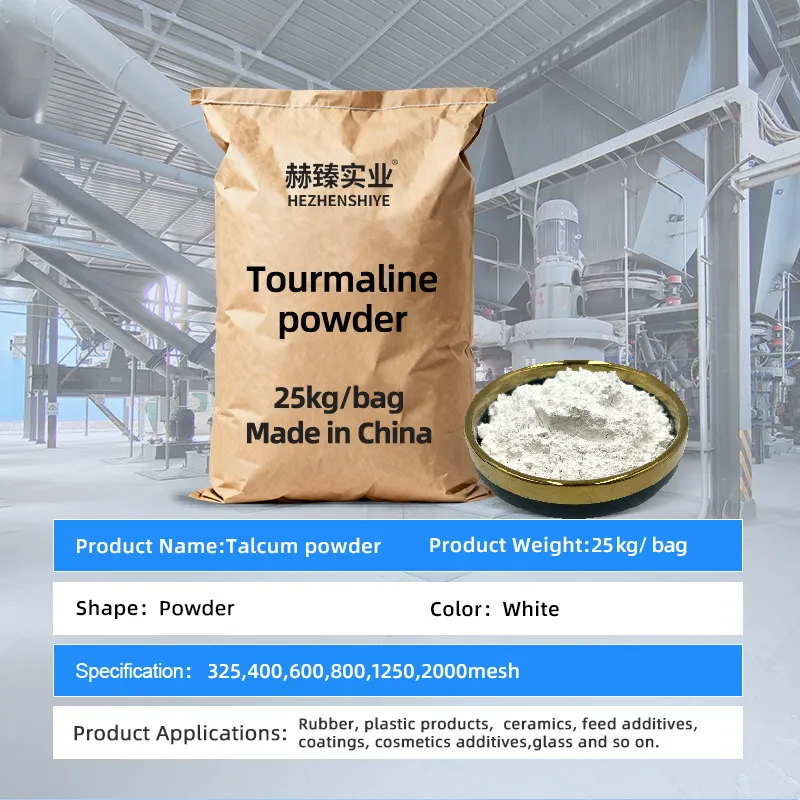
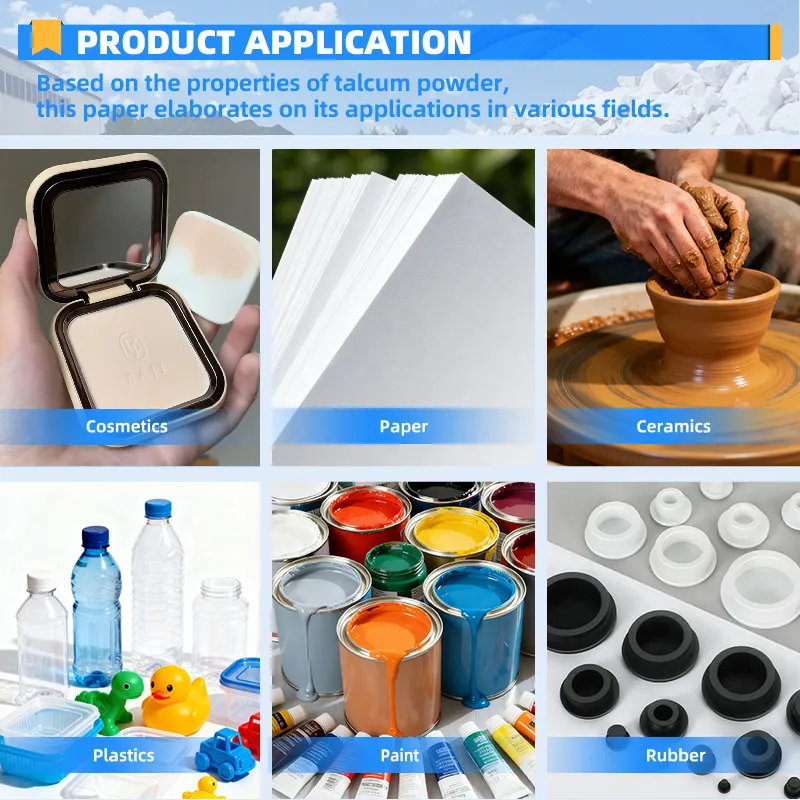
Ink additive sector benefits significantly from talc powder’s versatile properties to optimize ink performance across different printing techniques and substrates. It is mixed into offset, gravure and screen inks—three common printing inks used for packaging, promotional materials and industrial labels—to adjust rheological properties, ensuring stable ink flow during high-speed printing and avoiding issues like ink splitting, accumulation or uneven coverage. Talc powder’s platy structure enhances ink dispersion stability by preventing pigment particles from settling at the bottom of ink containers, even during long-term storage, thus ensuring consistent color output and shade uniformity across large printed batches. It reduces ink gloss appropriately to meet matte finish requirements for premium packaging materials, eco-friendly promotional prints and industrial labels that need anti-glare effects, expanding aesthetic and functional options for printed products. Moreover, talc powder improves ink adhesion to non-porous substrates like plastic films, metal foils and glass surfaces—substrates that typically have poor ink affinity—ensuring print durability even under frequent handling, friction, moisture and UV exposure in daily use or outdoor environments.
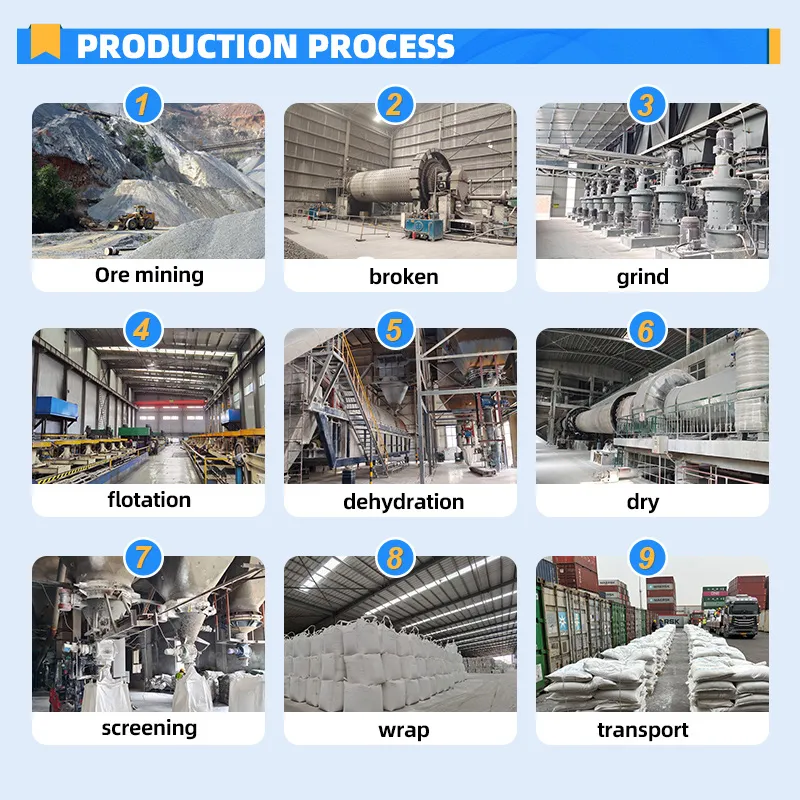
Rubber gasket production leverages talc powder for targeted functional enhancement to meet strict sealing requirements of industrial equipment operating in harsh conditions. Talc powder is added to natural rubber and synthetic rubber formulations (such as nitrile rubber and ethylene-propylene rubber) for gaskets used in machinery, pipelines, valves and automotive components that require reliable, long-lasting sealing performance. It improves gasket compression set resistance—the ability to recover shape after compression—ensuring tight and consistent sealing after repeated compression and release cycles, which is critical for preventing fluid or gas leakage in high-pressure systems. Talc powder reinforces rubber matrices to enhance elasticity and wear resistance, extending service life of gaskets in high-friction environments where components move or rub against each other continuously. Its chemical inertness ensures gaskets resist corrosion, swelling and degradation from industrial fluids, lubricating oils, solvents and harsh environmental factors like high humidity, extreme temperatures and chemical fumes, maintaining sealing integrity in diverse industrial settings.

Mold release agent formulations integrate talc powder as core functional component to boost effectiveness and versatility across various molding processes in plastic, rubber and ceramic industries. Talc powder acts as primary additive in dry and semi-dry mold release agents, which are preferred for plastic injection molding, rubber compression molding and ceramic forming due to their low contamination risk. It creates thin, uniform lubricating layer between mold surface and workpiece, even for complex-shaped products with intricate details, preventing adhesion and ensuring easy, damage-free demolding. This avoids costly workpiece damage and mold cleaning delays, improving production efficiency. Talc powder maintains stable chemical and physical performance at high molding temperatures—common in plastic and ceramic processing—avoiding decomposition, discoloration or contamination of finished products, which is crucial for maintaining product quality. Additionally, it imparts smooth surface finish to workpieces, reducing post-processing requirements for smoothing, polishing or cleaning, thus streamlining production workflow, cutting labor costs and shortening lead times.


Global demand for talc powder in these industrial sectors grows steadily, driven by multiple factors including rapid construction boom in emerging Asian and African markets, continuous expansion of artificial leather and plastic processing industries in Europe and North America, and rising demand for high-performance industrial sealing solutions in automotive and machinery sectors. Manufacturers worldwide continuously optimize talc powder particle size distribution, surface treatment technologies (such as coupling agent modification) and purity levels to meet sector-specific requirements—from ultra-fine grades with narrow particle size range for ink additives to coarser grades for construction sealants that prioritize cost-effectiveness. Strict quality control processes, including advanced impurity detection, particle size analysis and performance testing, avoid contaminants like heavy metals and impurities, ensuring talc powder aligns with international industrial standards and customer specifications. As application technologies advance and new industrial needs emerge—such as higher durability for automotive components and better environmental resistance for construction materials—talc powder retains irreplaceable role, adapting to evolving material requirements and supporting efficient, high-quality production across global industrial chains.





 Banner PDF
 Get A Quote