Product Description
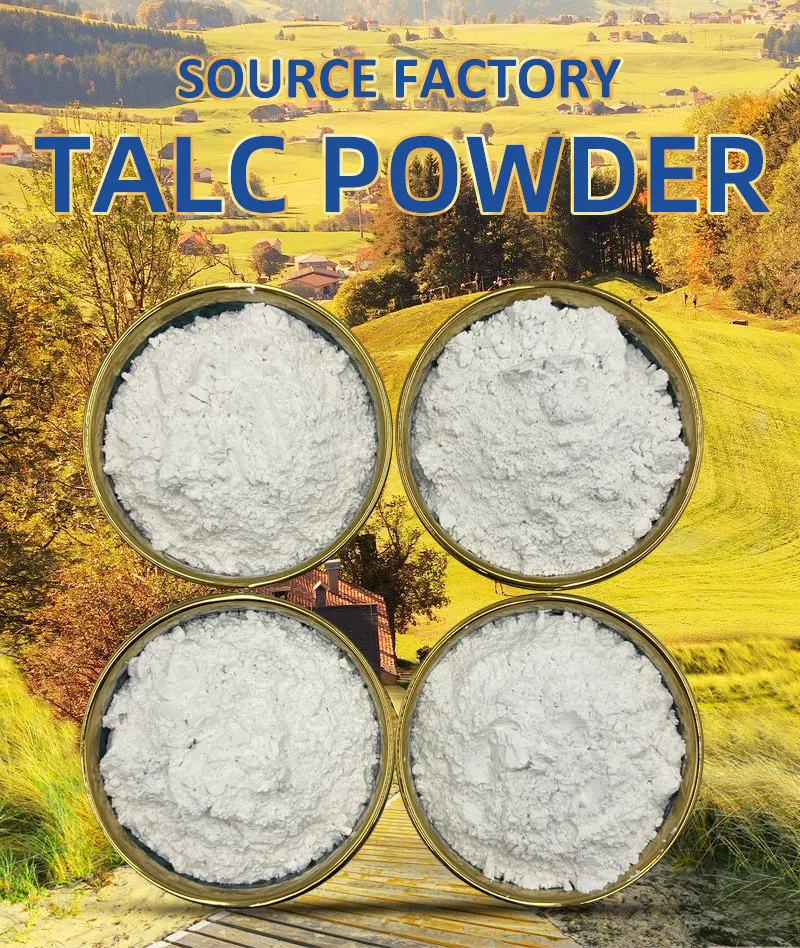
When incorporated into paper products, talc powder acts as a lubricant, reducing friction between paper layers during the sealing process. This results in smoother seals, minimizing the risk of tears or leaks and enhancing the overall integrity of packaged goods. Additionally, talc's fine particle size and plate-like structure contribute to a uniform distribution, ensuring consistent performance.
In plastic formulations, plastic-fine talc powder enhances ductility by acting as a filler and reinforcing agent. It improves the material's flexibility, making it easier to mold and shape while maintaining structural integrity. This ductility is essential for products that require impact resistance or flexibility, such as packaging films and consumer goods.
By leveraging the unique properties of talc powder, manufacturers can achieve superior paper sealing and product ductility, driving innovation and quality in their production processes.
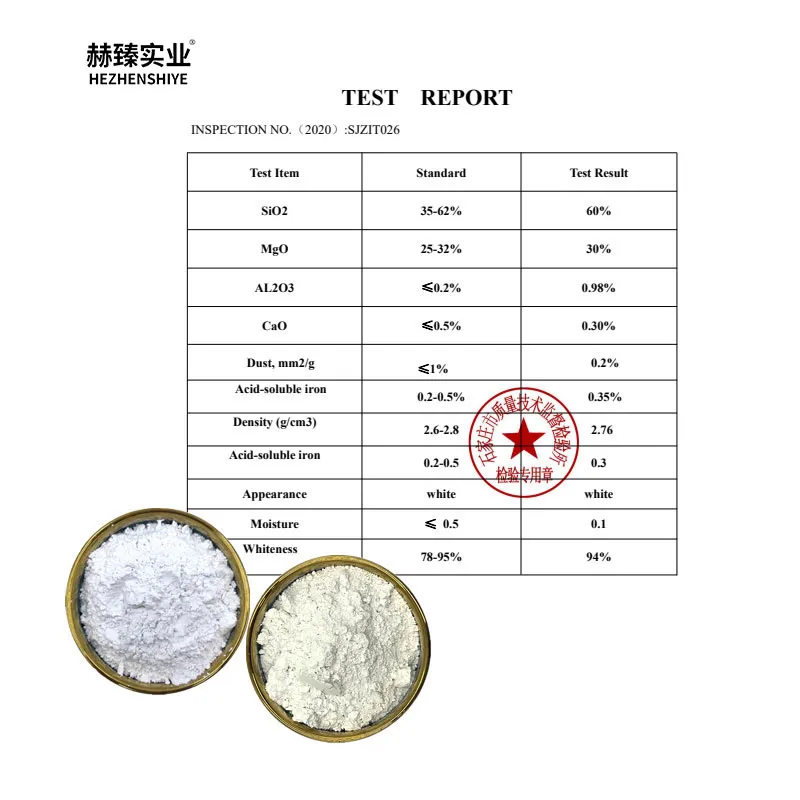
| Cas No. |
14807-96-6 |
| Place of Origin |
China |
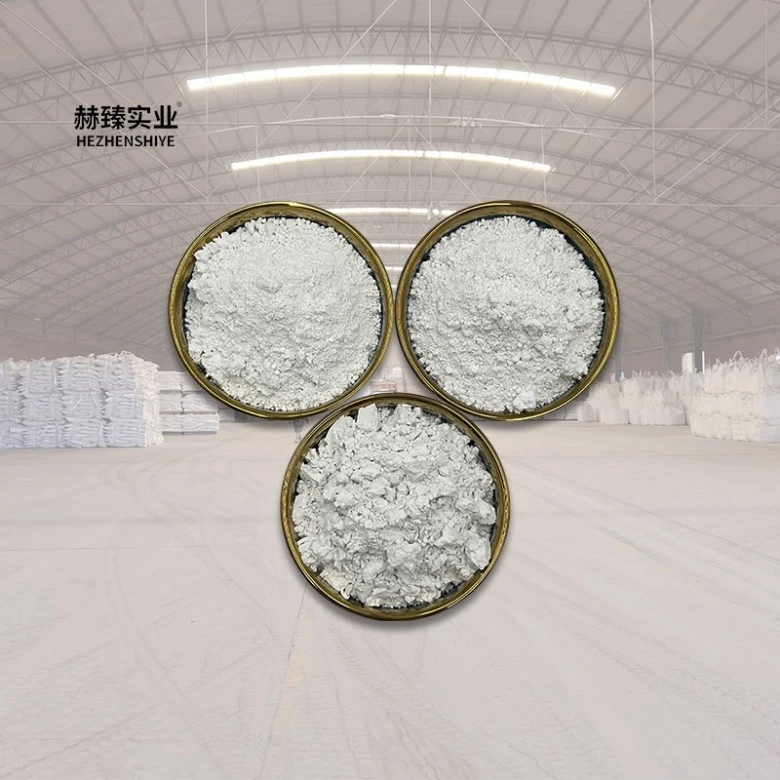
| Color |
White/Gray |
| Shape |
Powder |
| Purity |
90-95% |
| Grade |
industrial Grade Food Grade |
| Package |
25kg/bag,customized package |
| MOQ |
1kg |






In the intricate and highly specialized realm of paper manufacturing, the paper coating process stands as a pivotal stage that significantly influences the final quality and performance of paper products. This transformative process has evolved over decades, driven by the increasing demands for high-performance papers across various industries, from publishing to packaging. At the heart of this evolution lies talc powder, a versatile and indispensable additive that has revolutionized the way paper is coated and prepared for various applications.
Uncoated paper, in its natural state, presents a rough and uneven texture. Microscopic examination reveals a landscape characterized by visible fiber gaps, protrusions, and irregularities. These imperfections not only affect the tactile feel of the paper but also pose challenges for subsequent processes such as printing and laminating. Talc powder, with its ultra-fine particles, serves as an ideal solution to these issues. When introduced into the paper coating formulation, the minute talc particles act like tiny fillers, meticulously filling in the gaps between paper fibers. This filling action is akin to an artisan smoothing out the surface of a sculpture, gradually transforming the rough terrain of uncoated paper into a flat, even surface.
The significance of this surface smoothness cannot be overstated. For instance, in the production of writing paper, a smooth surface ensures that pens glide effortlessly across the paper, preventing ink smudging and skipping. This is crucial for high-volume writing applications, such as notebooks and legal pads, where a consistent writing experience is essential. In the case of packaging paper, a smooth exterior enhances the aesthetic appeal of the packaged products and provides a better surface for labels and branding elements. It also reduces friction during the handling and transportation of packaged goods, minimizing the risk of damage to the packaging.
The process of achieving this smoothness is a delicate balance. Paper manufacturers carefully control the particle size distribution of talc powder, as well as the concentration of talc in the coating mixture. A finer particle size of talc powder generally leads to a smoother surface, but it also requires more precise handling during the coating process to ensure even distribution. Advanced coating technologies, such as blade coating and curtain coating, are employed to achieve a uniform layer of talc on the paper surface. These technologies, combined with precise control over the coating parameters, enable manufacturers to produce papers with a high degree of surface smoothness, tailored to the specific requirements of different applications.
Moreover, the surface smoothness imparted by talc powder also affects the durability of paper products. A smoother surface reduces the likelihood of fiber abrasion during handling and use, extending the lifespan of the paper. This is particularly important for applications where the paper is subjected to repeated handling, such as in the case of books and brochures. By enhancing the surface smoothness, talc powder contributes to the overall quality and longevity of paper products, making them more suitable for a wide range of applications.
Printability is a multifaceted concept that encompasses various aspects, including ink adhesion, color reproduction, and image clarity. Talc powder plays a crucial role in enhancing each of these elements, making it a preferred choice for paper manufacturers aiming to produce high-quality printed materials.
When ink is applied to paper, the interaction between the ink and the paper surface determines how well the ink adheres and spreads. In the case of uncoated paper with its uneven surface, ink tends to soak into the paper fibers in an inconsistent manner. Some areas may absorb more ink, leading to dark patches, while other areas may not receive enough ink, resulting in faint or incomplete prints. Talc-coated paper, on the other hand, provides a consistent surface that interacts harmoniously with ink. The flat surface created by talc powder allows the ink to spread evenly, ensuring uniform coverage across the paper.
The chemical composition of talc powder also contributes to its excellent ink adhesion properties. Talc contains magnesium silicate, which has a natural affinity for certain types of inks. This chemical interaction helps the ink to bond more effectively with the paper surface, reducing the risk of ink smudging and smearing. Additionally, talc powder can be treated with surface modifiers to further enhance its compatibility with different types of inks, such as water-based, solvent-based, and UV-curable inks. This versatility makes talc powder suitable for a wide range of printing processes, from offset printing to digital printing.
Moreover, talc powder has the ability to modify the surface energy of the paper. This property is particularly important for inks that rely on specific surface interactions for proper adhesion. By adjusting the surface energy, talc powder helps the ink to bond effectively with the paper, reducing the likelihood of ink peeling or flaking off during handling or storage. This is especially critical for applications such as packaging labels, where the printed material needs to withstand various environmental conditions and mechanical stresses.
Another aspect of printability that talc powder improves is color reproduction. In high-quality printing, accurate color representation is essential for conveying the intended message and aesthetic. Talc powder’s ability to create a smooth and consistent surface ensures that the ink dries evenly, resulting in more vibrant and true-to-life colors. When compared to uncoated paper, talc-coated paper can reproduce a wider range of colors with greater precision, making it suitable for applications such as photo printing and full-color brochures. This enhanced color reproduction is achieved through a combination of factors, including the smooth surface of the paper, the even distribution of ink, and the optimal interaction between the ink and the paper surface.
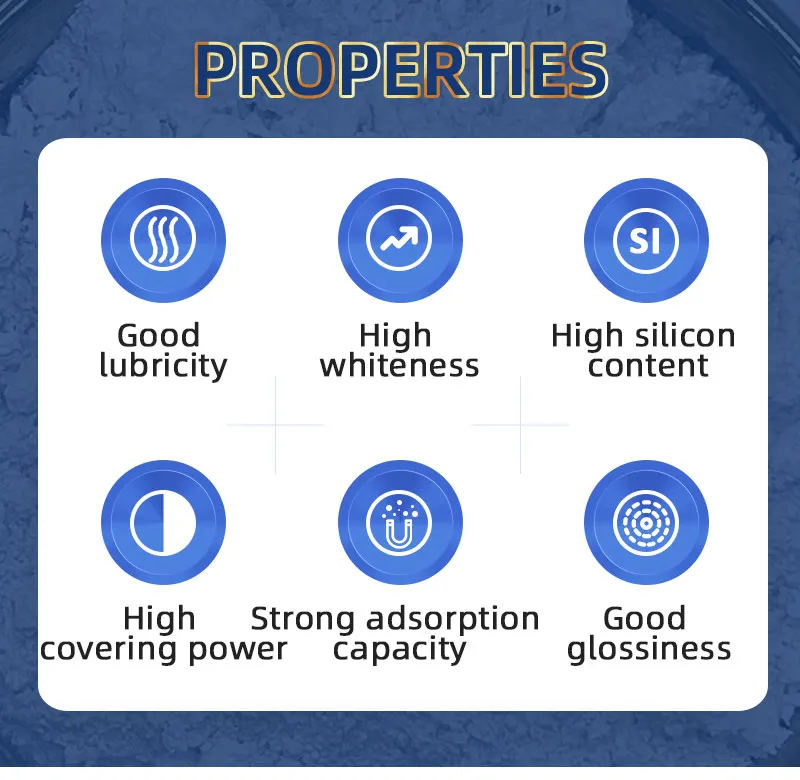
The visual appeal of paper is often a key factor in determining its suitability for different applications. Talc powder contributes significantly to enhancing the gloss of paper, which in turn adds a touch of elegance and professionalism to printed materials. The lamellar structure of talc powder particles is the key to its gloss-enhancing properties. These flat, plate-like particles align themselves in a parallel manner when applied to the paper surface during the coating process. This alignment creates a smooth, reflective surface that interacts with light in a specific way.
When light hits the surface of talc-coated paper, the lamellar particles reflect the light uniformly, resulting in a subtle and even gloss. This type of gloss is different from the high-gloss finish achieved through other means, such as using synthetic polymers. Talc-induced gloss has a more natural and understated appearance, making it ideal for applications where a sophisticated look is desired without being overly flashy.
In the publishing industry, magazines, catalogs, and high-end books often rely on talc-coated paper to achieve a premium look. The gloss provided by talc powder not only makes the images and text more visually appealing but also gives the impression of higher quality. Readers are more likely to be drawn to a magazine with a subtly glossy finish, as it conveys a sense of professionalism and attention to detail. Additionally, the gloss enhances the contrast between different elements on the page, making text easier to read and images more striking.
The degree of gloss can be adjusted by controlling various factors, such as the particle size of talc powder, the coating thickness, and the drying conditions. Finer particle sizes generally result in a higher gloss, as they create a smoother surface for light reflection. However, too fine a particle size can also lead to issues such as increased dusting and reduced coating efficiency. Therefore, paper manufacturers need to find the optimal balance between particle size and gloss level to meet the specific requirements of different applications.
Furthermore, the gloss enhancement provided by talc powder is not only aesthetically pleasing but also has practical benefits. A glossy surface is more resistant to dirt and fingerprints, making the paper easier to clean and maintain. This is particularly important for applications such as packaging, where the paper needs to maintain its appearance throughout the product lifecycle. Additionally, the gloss can enhance the barrier properties of the paper, reducing the permeability to moisture and gases. This helps to protect the contents of the package and extend its shelf life.
Excessive ink absorption is a common problem in paper printing, especially with uncoated or poorly coated papers. When ink absorbs too deeply into the paper fibers, it can cause a range of issues, including dull or faded text, poor color saturation, and reduced image sharpness. Talc powder addresses this problem by forming a barrier on the paper surface.
The fine particles of talc powder create a layer that prevents ink from seeping too deeply into the paper. Instead, the ink remains on top of the coating, where it can dry more evenly and maintain its original color intensity. This not only improves the visual quality of the printed material but also has practical benefits for paper manufacturers and printers.
From a cost perspective, controlling ink absorption with talc powder can lead to significant savings. By reducing the amount of ink that is absorbed by the paper, printers can achieve the same visual effect with less ink. This is particularly important for large-scale printing operations, where the cost of ink can be a substantial portion of the overall production expenses. Additionally, less ink absorption means that the paper dries faster, reducing the time required for post-printing processes such as drying and finishing. This, in turn, increases the productivity of the printing operation, allowing for faster turnaround times and higher output.
Moreover, ink absorption control with talc powder also improves the environmental sustainability of the printing process. By using less ink, printers can reduce their environmental impact, as ink production and disposal are associated with significant energy consumption and pollution. Additionally, the faster drying times achieved with talc-coated paper can reduce the energy consumption required for the drying process, further contributing to the environmental benefits.
In addition to its cost and environmental benefits, ink absorption control with talc powder also enhances the durability of printed materials. By preventing ink from seeping too deeply into the paper, talc powder helps to protect the printed image from wear and tear. This is particularly important for applications where the printed material is subjected to frequent handling, such as in the case of labels and brochures. The reduced ink absorption also makes the printed material more resistant to fading and discoloration, ensuring that the printed images and text remain vibrant and legible over time.
In conclusion, talc powder’s role in the paper coating process is multifaceted and essential. Its ability to enhance surface smoothness, improve printability, increase gloss, and control ink absorption makes it an invaluable asset in the paper manufacturing industry. As the demand for high-quality paper products continues to grow, the use of talc powder in paper coating is likely to remain a key technology, driving innovation and excellence in the production of printed materials. Moreover, ongoing research and development efforts are focused on further optimizing the properties of talc powder and exploring new applications, ensuring that this versatile additive will continue to play a crucial role in the future of paper manufacturing.





 Banner PDF
 Get A Quote