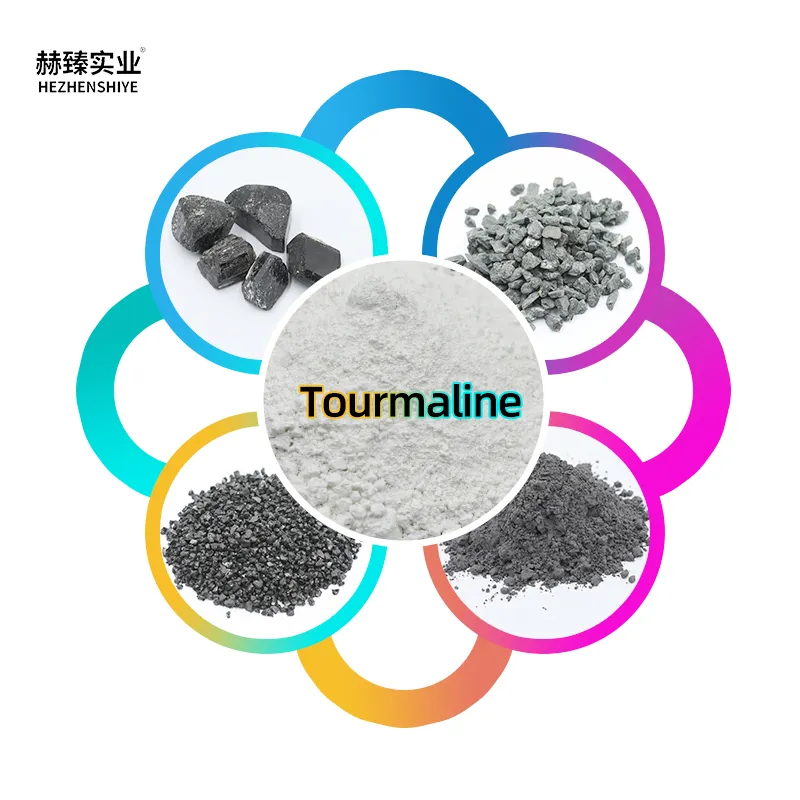
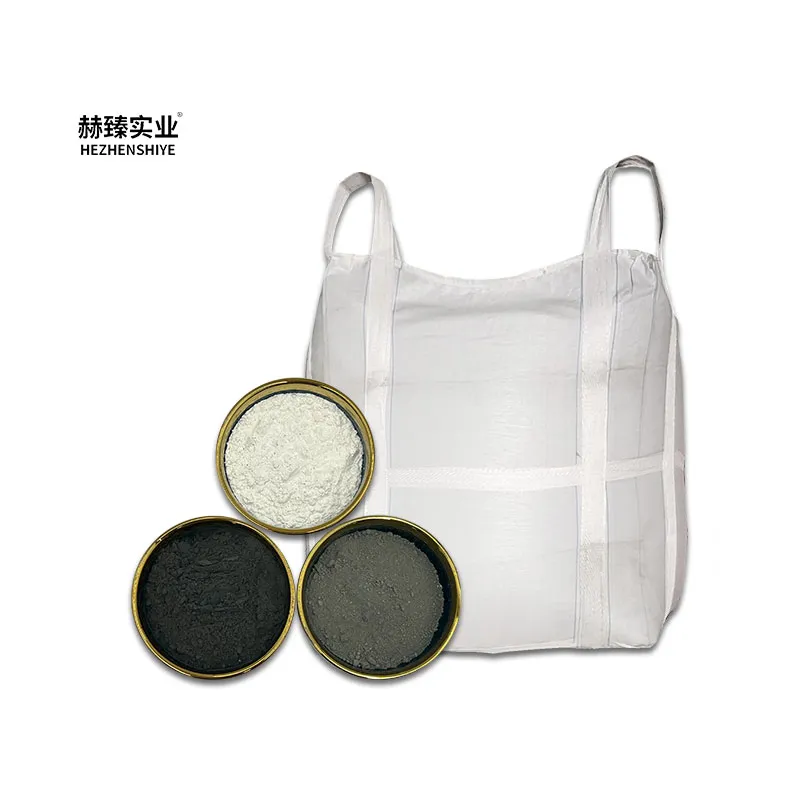
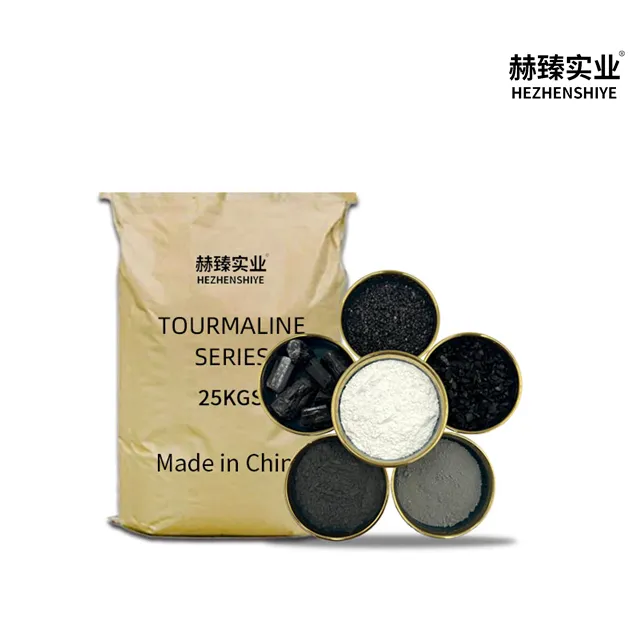
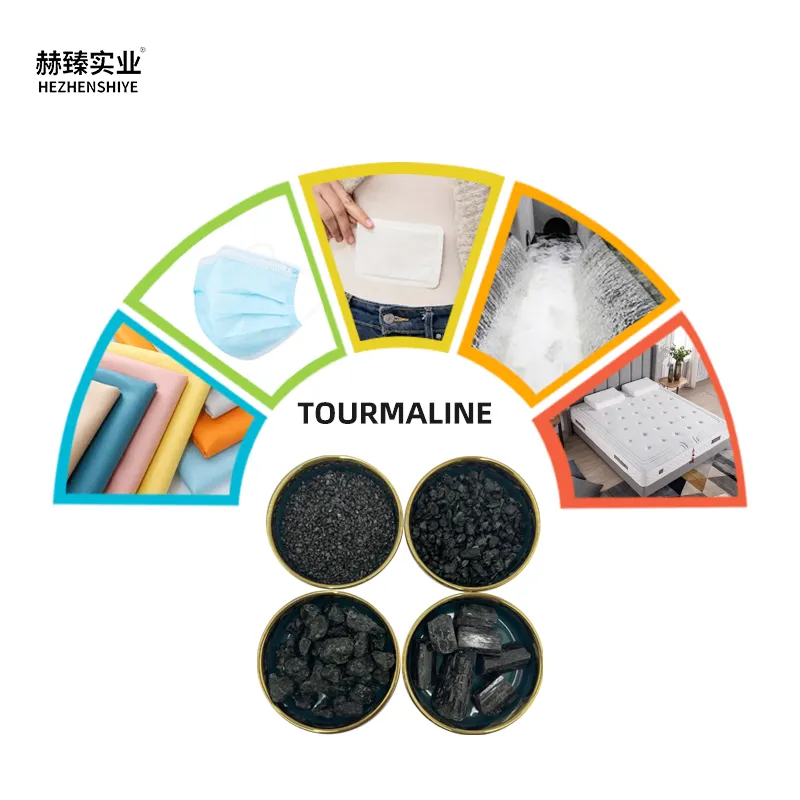
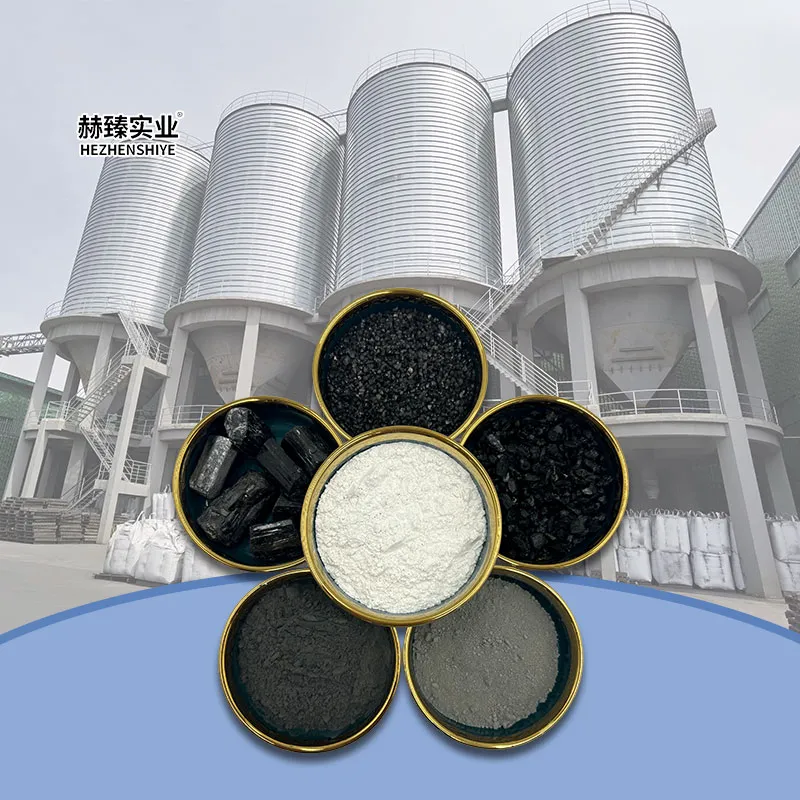
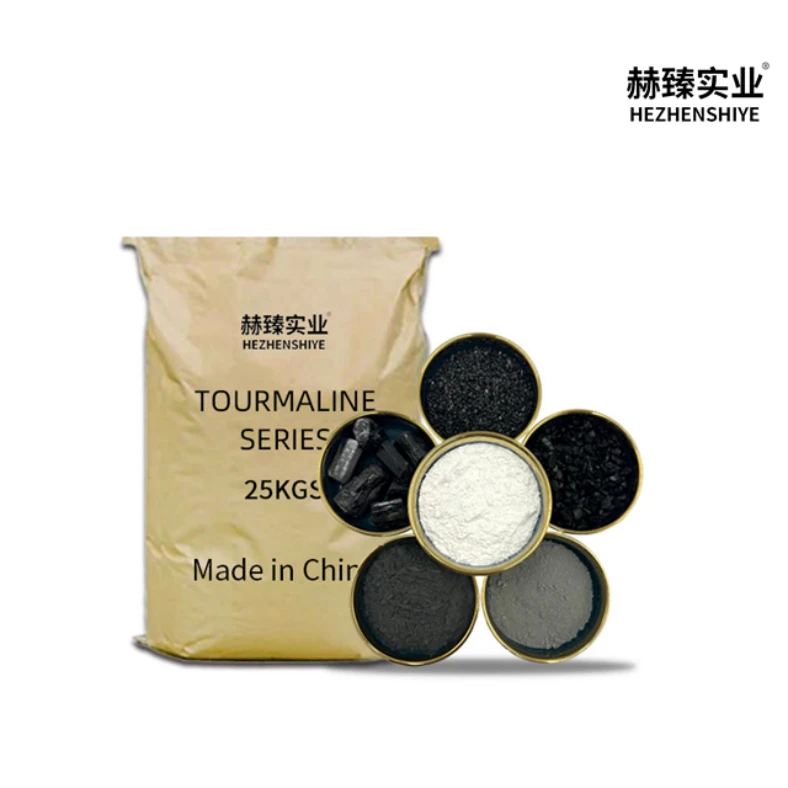
Resource foundation of Tourmaline Powder combines natural abundance and regional trait diversity, with ore properties tailored to specific application needs. Natural tourmaline ore forms in distinct geological settings worldwide, each yielding powder with unique characteristics: Afghan pink tourmaline deposits produce powder with ultra-fine particle size and excellent thermal stability, ideal for Ceramic Body Strengthening requiring stability during high-temperature firing; Canadian green tourmaline ore yields powder with strong surface adhesion, perfect for Plastic Packaging Upgrade needing tight bonding with polymer matrices; Australian black tourmaline deposits offer high-density powder suited for Stone Polishing Aid demanding abrasion resistance. Mining of tourmaline ore adheres to selective extraction protocols—surface mining is prioritized to avoid deep geological disruption, and ore sorting relies on physical screening (not chemical leaching) to separate tourmaline crystals from associated minerals like quartz and feldspar, preserving inherent mineral integrity.
Processing of Tourmaline Powder focuses on retaining natural traits and optimizing compatibility with target applications. Ore processing begins with coarse crushing using low-energy jaw crushers to prevent particle fragmentation, followed by fine grinding via vibration mills operating at moderate temperatures—this method preserves tourmaline’s crystalline structure, which is key to thermal stability and abrasion resistance. Multi-stage air classification separates powder into precise particle size grades: ultra-fine powder (for Art Pigment Extender and Surface Hardener, ensuring no visible particles in thin layers); medium-grade powder (for Ceramic Body Strengthening and Stone Polishing Aid, enabling smooth integration); and coarse powder (for Plastic Packaging Upgrade, providing structural support). No toxic solvents or chemical activators are used throughout processing, maintaining non-toxic nature suitable for consumer goods and industrial components.
Key processing step involves application-specific surface modification: Tourmaline Powder for Plastic Packaging Upgrade is treated with natural silane compounds to enhance bonding with polymer resins; powder for Art Pigment Extender undergoes low-temperature calcination to reduce moisture content (preventing pigment clumping); powder for Ceramic Body Strengthening is coated with plant-based waxes to improve dispersion in clay slurries. Waste generated during processing—mainly non-tourmaline mineral residues—is repurposed as filler in architectural plasters, aligning with material efficiency principles by minimizing landfill waste. Energy efficiency is prioritized via solar-powered drying systems and heat recovery from grinding processes, reducing overall processing energy consumption.
Core properties of Tourmaline Powder make it irreplaceable across target industries, with each trait directly addressing application challenges. Thermal stability allows Tourmaline Powder to retain structure at high temperatures—critical for Ceramic Body Strengthening, where it resists cracking and warping of ceramic bodies during kiln firing. High abrasion resistance (surpassing that of most mineral additives) enhances durability in Stone Polishing Aid, ensuring polished stone surfaces maintain luster in high-traffic areas like hotel lobbies and shopping malls. Surface reactivity promotes strong bonding with diverse substrates, from polymer resins in Plastic Packaging Upgrade to clay in Ceramic Body Strengthening, reducing risk of additive separation over time. Dispersion ability enables uniform distribution in Art Pigment Extender, eliminating streaking or color inconsistency in decorative paints and coatings.
Ceramic Body Strengthening stands as a flagship application for Tourmaline Powder, addressing key industry pain points. In residential ceramic tile production, ultra-fine pink tourmaline powder is added to clay bodies to boost flexural strength and thermal shock resistance—tiles integrated with tourmaline powder withstand sudden temperature changes (like hot water splashes on bathroom tiles) without cracking or crazing. For decorative ceramic tableware, green tourmaline powder is mixed into colored clay to enhance color depth and texture; its fine particle size creates smooth, uniform finishes that resist fading from prolonged sunlight exposure. Industrial ceramic applications (like chemical storage tanks) use black tourmaline powder to reinforce ceramic walls, increasing resistance to chemical erosion and extending service life compared to standard ceramic formulations.
Plastic Packaging Upgrade and Art Pigment Extender applications fully leverage Tourmaline Powder’s unique traits. In food packaging plastics (such as polyethylene films), medium-grade clear tourmaline powder is blended into resins to enhance puncture resistance and barrier properties—packaging integrated with tourmaline powder extends shelf life of perishable goods by reducing moisture and oxygen penetration. For outdoor plastic signage, black tourmaline powder is integrated into plastic compounds to enhance UV resistance and color stability; signage with tourmaline powder retains brightness and structural integrity for years, outperforming unmodified plastic that fades or becomes brittle under sunlight. In artistic oil paints, ultra-fine pink or green tourmaline powder acts as Art Pigment Extender, improving paint flow and reducing settling of heavy pigments; paints with tourmaline powder apply more smoothly, dry evenly, and maintain color consistency over time.
Stone Polishing Aid and Surface Hardener applications highlight Tourmaline Powder’s protective and aesthetic values. In natural marble polishing, medium-grade black tourmaline powder is used as abrasive aid—its controlled hardness removes surface scratches while leaving a high-gloss finish that resists fingerprint smudges and water spots. For artificial stone panels (used in kitchen countertops), ultra-fine clear tourmaline powder is mixed into surface coatings to create Surface Hardener; panels with this coating repel oil and stains, and withstand daily scratches from kitchen utensils. In architectural stone cladding, tourmaline powder-based polishing agents enhance weather resistance—cladding treated with these agents retains color and texture in coastal areas, where salt spray often degrades unprotected stone surfaces.
Specialized applications further demonstrate Tourmaline Powder’s versatility. In 3D printing filaments (such as PLA and ABS), coarse black tourmaline powder is blended into resins to increase rigidity and heat resistance, expanding use of 3D printed parts into low-temperature industrial components like machine brackets. For automotive interior trims, fine pink tourmaline powder is added to plastic formulations to create matte, textured finishes that resist scuffing and fading. In decorative concrete (used for patio floors and garden pathways), medium-grade tourmaline powder is mixed into concrete mixtures to add subtle sparkle and enhance durability; concrete with tourmaline powder resists cracking from freeze-thaw cycles and retains appearance for decades.
Quality control of Tourmaline Powder is tailored to specific applications, ensuring consistent performance. For Ceramic Body Strengthening, tests include particle size analysis (via laser diffraction) to verify uniformity, thermal stability tests (exposing powder to firing temperatures to check structure retention), and flexural strength tests (measuring ceramic body strength with added powder). For Plastic Packaging Upgrade, tests measure tensile strength (verifying reinforcement effect), puncture resistance (for packaging films), and UV resistance (exposing samples to simulated sunlight to check durability).
For Stone Polishing Aid, abrasion resistance tests use standardized machines to simulate polishing and foot traffic; gloss measurement tests ensure consistent finish quality. For Art Pigment Extender, dispersion tests check uniformity in paint formulations; color fastness tests verify no tinting interference with base pigments. All tourmaline powder batches undergo purity testing to ensure no harmful contaminants, and recycled powder waste (from production trimmings) undergoes magnetic separation to remove metal impurities before reuse in less demanding applications like concrete fillers. Performance tests on recycled powder confirm it meets requirements for non-critical applications, extending resource lifecycle.
In conclusion, Tourmaline Powder stands as cornerstone mineral additive that drives innovation in Architectural Advancement, Material Engineering, and diverse industrial applications. Its natural origin, chemical-free processing, and versatile properties—thermal stability, abrasion resistance, dispersion ability, and surface reactivity—enable unique value in Ceramic Body Strengthening, Plastic Packaging Upgrade, Stone Polishing Aid, Art Pigment Extender, and Surface Hardener. Unlike synthetic additives with narrow application scopes or toxic components, Tourmaline Powder enhances both functional and aesthetic traits of end products while supporting material efficiency goals.





 Banner PDF
 Get A Quote