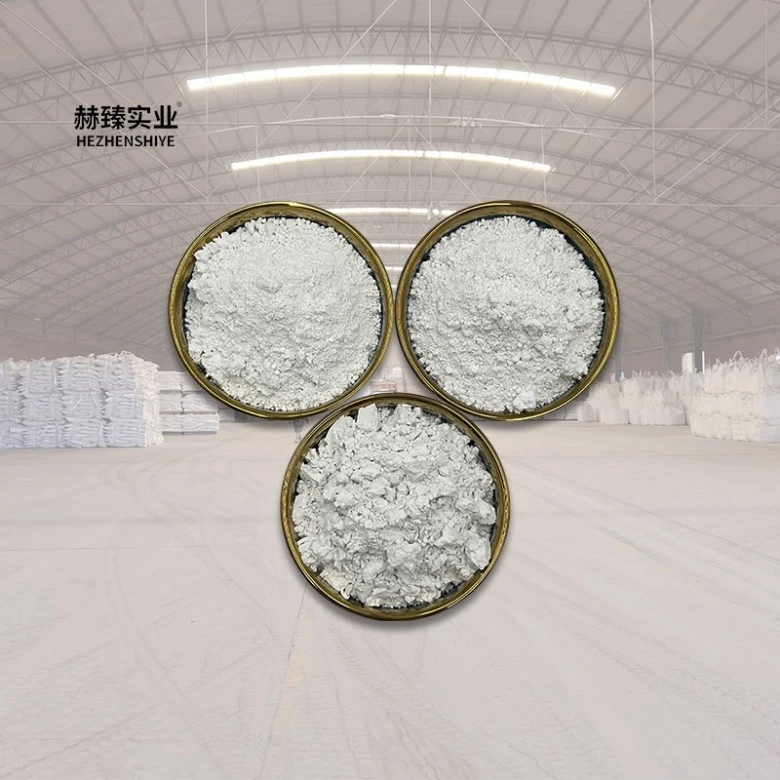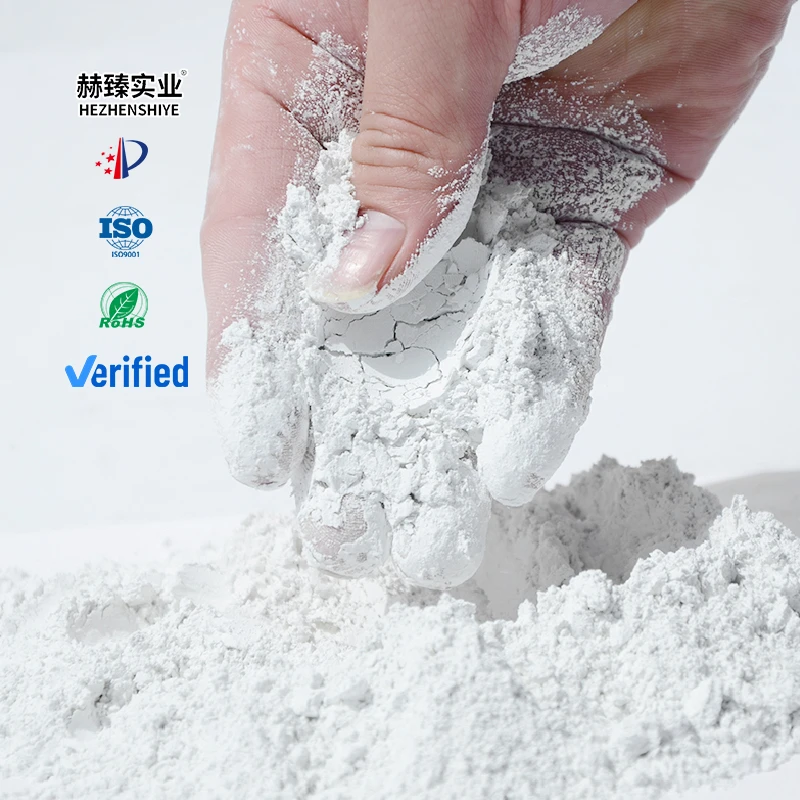


Diatomaceous Earth (also known as DE, Diatomite, or Kieselguhr) is a naturally occurring, soft, siliceous sedimentary rock that is easily crumbled into a fine white to off-white powder. It is composed of the fossilized remains of diatoms, a type of hard-shelled protist (algae). Its unique molecular structure, characterized by thousands of microscopic pores, makes it one of the most versatile functional minerals in modern industry.
1. The Formation of Diatomite: A Biological Legacy
Diatomaceous earth is formed over millions of years through the accumulation of silica-rich skeletons (frustules) of diatoms in freshwater or marine environments. As these microscopic algae died, their intricate, glass-like shells settled at the bottom of lakes and oceans. Under geological pressure, these deposits fossilized into porous mineral beds. This "honeycomb" or "sieve-like" microscopic architecture is the source of its extraordinary physical properties.
2. Key Properties of Diatomite: Why is it so versatile?
The superior performance of diatomaceous earth stems from its unique physical structure and high silica purity.
High Porosity and Absorption: Diatomite has an extremely high surface area and a porosity of up to 80-90%. It can absorb liquids (water, oils, or chemicals) up to 1.5 to 4 times its own weight, making it an elite absorbent and carrier.
Low Bulk Density: Due to its hollow structure, it is remarkably lightweight, with a dry bulk density typically ranging from 0.3 to 0.5 g/cm³. This allows for high-volume filling without significantly increasing the weight of the end product.
Chemical Inertness: Composed primarily of amorphous silica ($\text{SiO}_2\cdot n\text{H}_2\text{O}$), it is chemically stable and insoluble in most acids (except hydrofluoric acid) and organic solvents, ensuring compatibility in diverse industrial processes.
Thermal and Acoustic Insulation: The microscopic air pockets within the diatom shells provide excellent low thermal conductivity and sound-damping properties, with a melting point reaching up to 1750°C.
Abrasiveness and Mechanical Pest Control: While feeling soft to the touch, the microscopic edges of the diatom shells are sharp and hard. This makes it an effective mild abrasive and a natural mechanical insecticide that dehydrates pests without chemicals.
3. The Wide Range of Uses of Diatomaceous Earth
3.1 Filtration Industry (Core Application)
Diatomite is the world’s most widely used filter aid. Its complex pore structure acts as a "microscopic sieve" to remove bacteria, suspended solids, and impurities:
Food and Beverage: Vital for filtering beer, wine, fruit juices, sugar syrups, and edible oils to achieve crystal-clear transparency.
Pharmaceuticals & Water: Used in the production of antibiotics and the purification of drinking water and swimming pools.
3.2 Functional Coatings and Construction
Diatom Mud (Wall Coatings): As the primary ingredient in eco-friendly wall coverings, it regulates indoor humidity, neutralizes formaldehyde, and provides a matte, aesthetic finish.
Insulation Materials: Used in the manufacture of lightweight refractory bricks and thermal insulation boards for high-temperature kilns and ovens.
3.3 Agriculture and Animal Husbandry
Natural Insecticide: Used in grain storage and livestock farming to control pests (fleas, ticks, bedbugs) through physical dehydration rather than toxic chemicals.
Soil Amendment: Improves soil aeration and water retention, acting as a slow-release carrier for fertilizers and pesticides.
3.4 Industrial Fillers and Additives
Plastics and Rubber: Used as an anti-blocking agent in polyethylene (PE) films and as a reinforcing filler to improve the heat resistance and stability of rubber compounds.
Paint and Paper: Acts as a flatting agent (matting agent) to reduce gloss in paints and improves the ink absorption and brightness of high-quality paper.
4. How to Choose High-Quality Diatomaceous Earth?
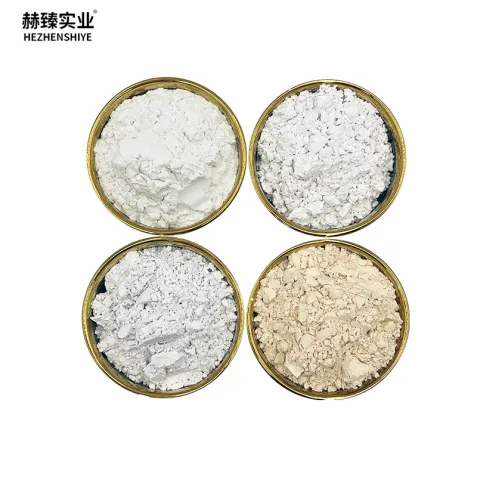
Quality varies significantly based on the deposit source and processing method (Natural, Calcined, or Flux-calcined). Consider the following:
Silica Content: High-grade diatomite should have an $\text{SiO}_2$ content of 85% or higher.
Permeability (For Filtration): For filtration applications, the flow rate (permeability) is critical. This is determined by the grade—Natural (slow), Calcined (medium), or Flux-calcined (fast).
Whiteness: High whiteness (above 85%) is essential for paint, paper, and cosmetic applications.
pH Value: Depending on the treatment, pH can range from neutral (Natural) to alkaline (Flux-calcined). Choose based on your chemical environment.
Trace Elements: For food or pharmaceutical grades, ensure heavy metal content (Lead, Arsenic) meets strict safety standards (e.g., FDA or Food Chemicals Codex).
5. Comparison of Diatomite with Other Similar Materials
Trong khi Talc excels in lubricity and softness, Diatomite is superior in absorption and filtration. Compared to Calcium Carbonate, Diatomite offers much lower density and better insulation. While Cao lanh is used for its plasticity in ceramics, Diatomite is preferred for its "active" surface area and ability to purify liquids. In applications requiring high absorption, mechanical pest control, or precision filtration, Diatomaceous Earth remains the unparalleled choice.
Conclusion: Diatomaceous Earth – The Natural Choice for a Sustainable Future
From clarifying the world's finest beverages to creating healthy indoor living environments, Diatomaceous Earth proves that natural minerals are the backbone of modern innovation.
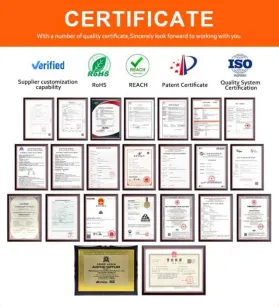
As a professional supplier, we offer a full range of DE products tailored for filtration, agriculture, and industrial filling. Our products are rigorously tested for purity and performance, ensuring your business achieves maximum efficiency.