Product Description
When used in cement and concrete applications, iron oxide pigments ensure consistent coloring throughout the mixture, resulting in aesthetically pleasing pavements, floors, and architectural elements. Their high tinting strength allows for precise control over shade intensity, while their fine particle size promotes even distribution, eliminating streaks or patches. This leads to durable surfaces that maintain their vibrant appearance under various weather conditions.
In tile manufacturing, iron oxide pigments offer a diverse palette, enabling the production of tiles in a wide range of colors, from earthy tones to bold, vivid shades. The pigments' heat stability ensures color retention during high-temperature firing processes, guaranteeing that the final product meets both aesthetic and functional requirements.
Overall, iron oxide pigments are essential for achieving uniform and enduring coloration in construction materials, enhancing both their visual appeal and market value.
Our Advantage
1. 7*24 hours service
2.OEM&ODM Service
3.Small MOQ(1kg)
4. Strict quality control:100% test before delivery
5.Excellent after-sales service
| Cas No. | 1309-37-1 |
| Place of Origin | China |
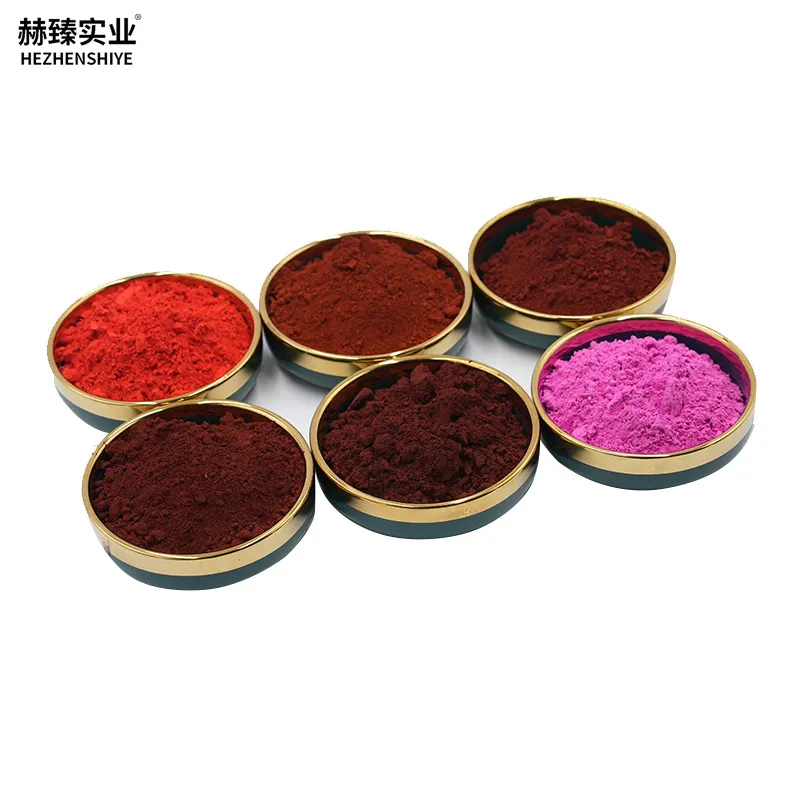
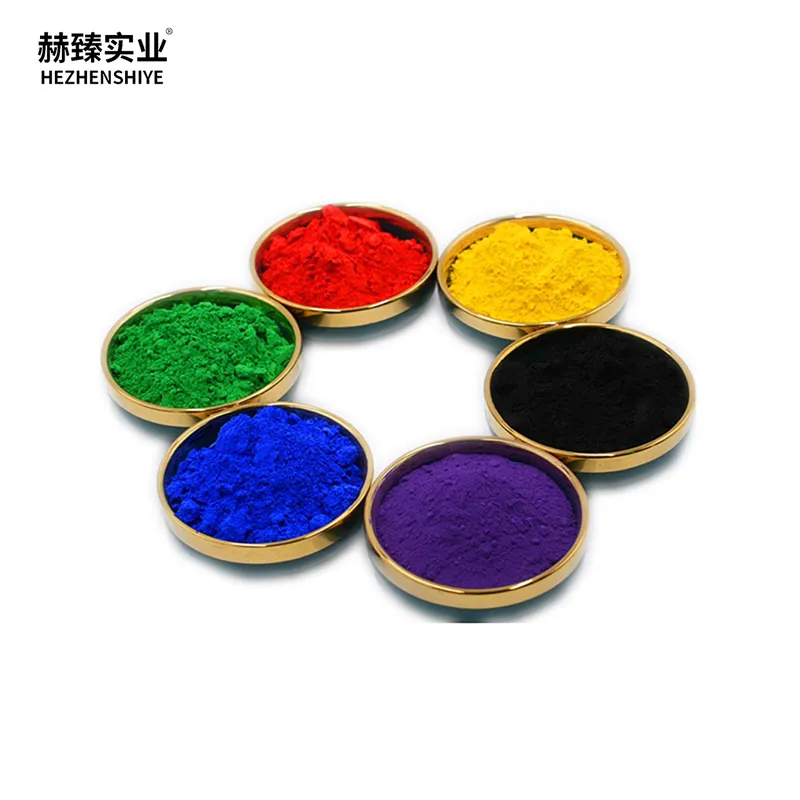
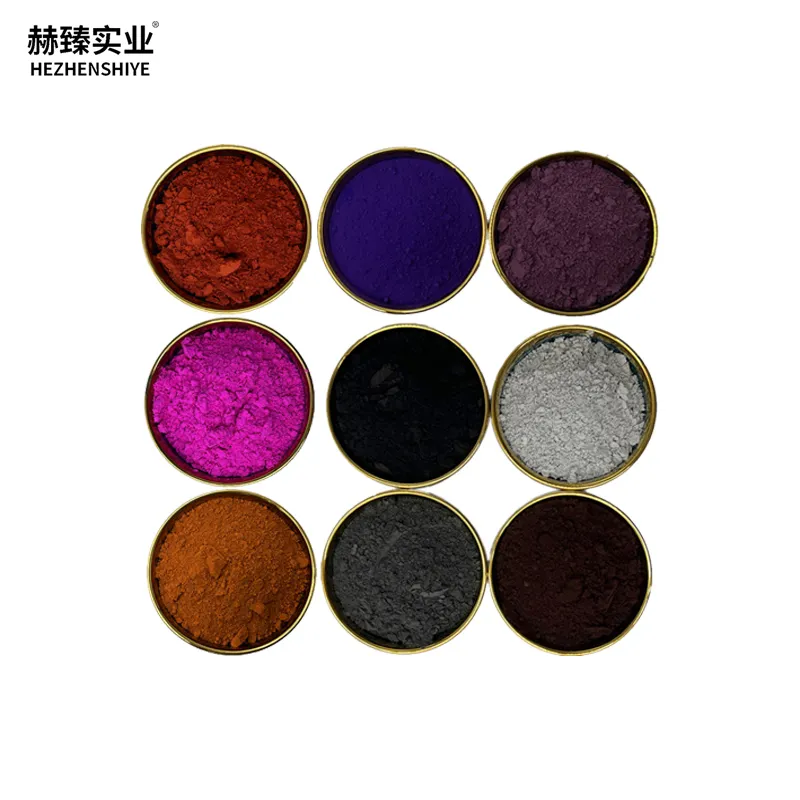
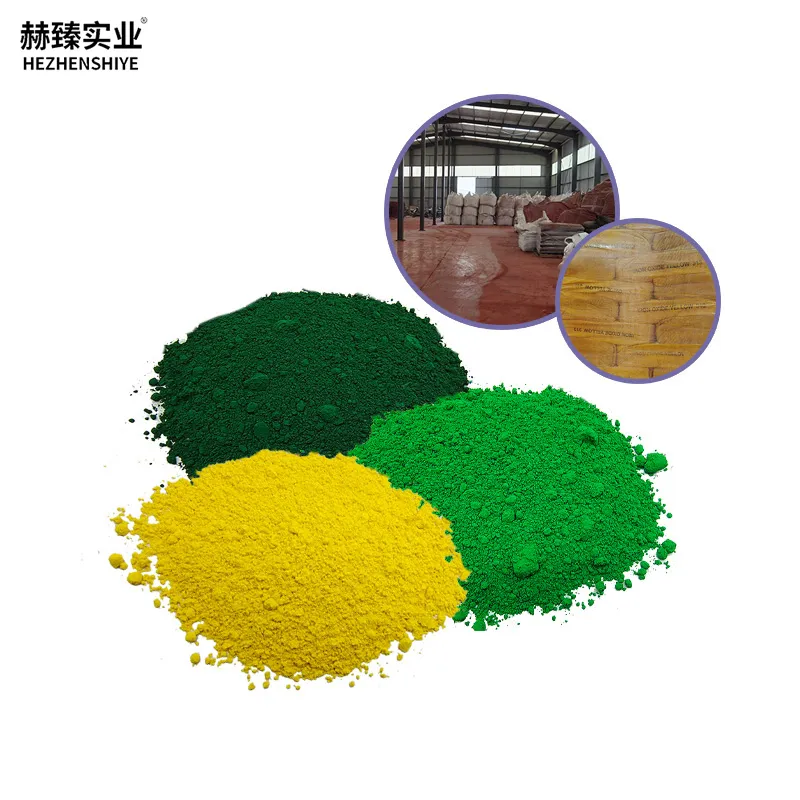
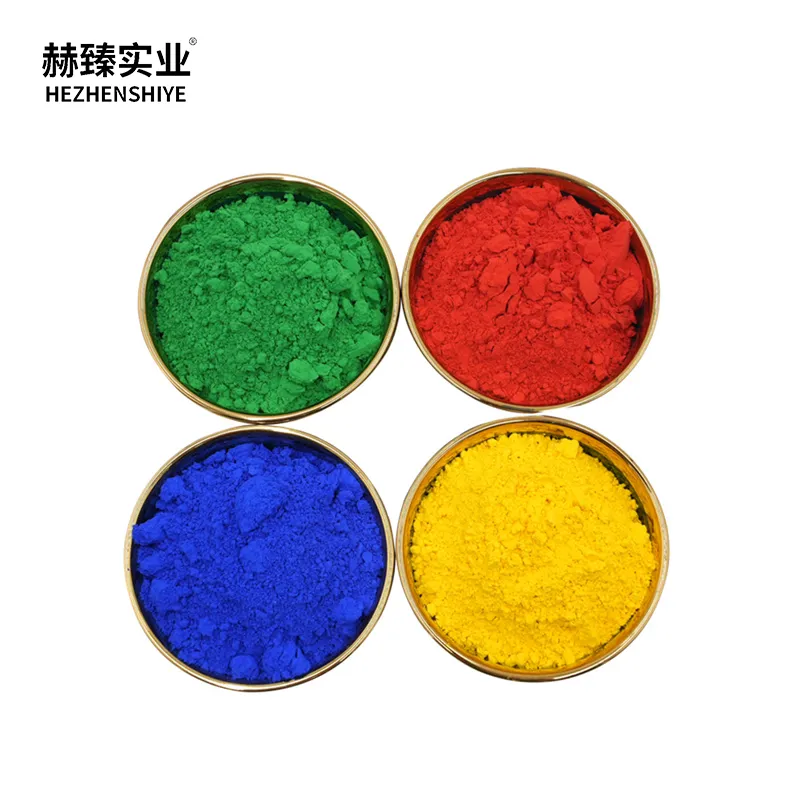
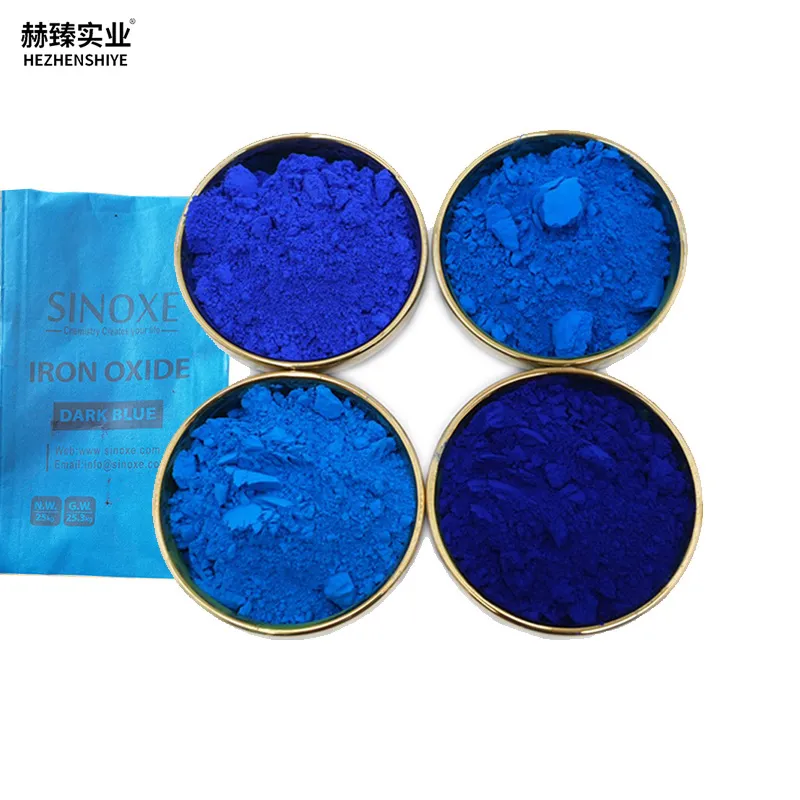
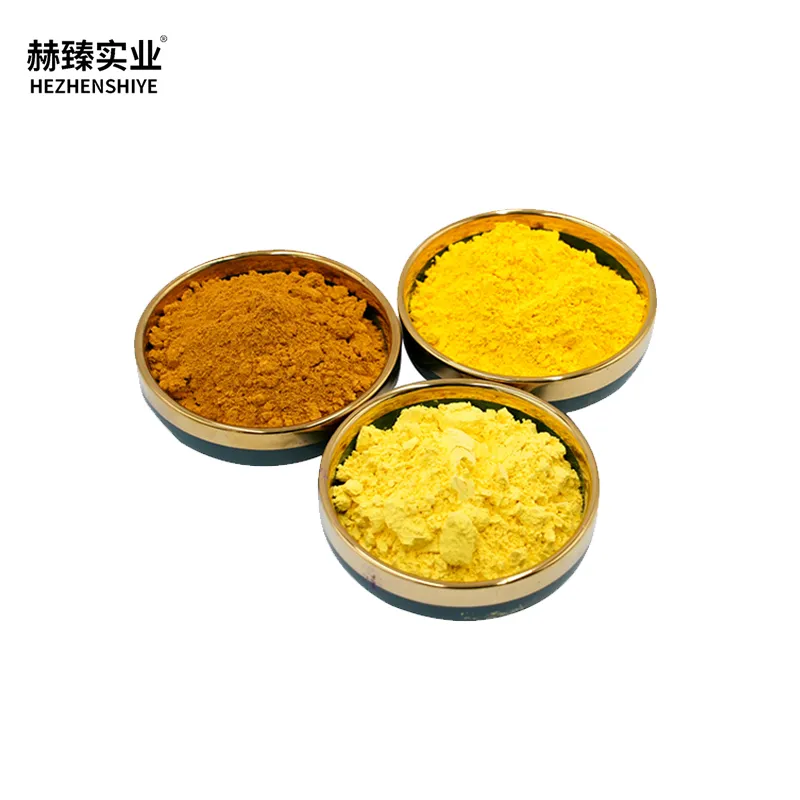
| Color | Red、Black、Yellow、Green、Pink、Purple、Brown |
| Shape | Powder |
| Purity | 97% |
| Grade | industrial Grade |
| Package | 25kg/bag,customized package |
| MOQ | 1kg |
Iron oxide pigments are the most widely used color inorganic pigments in modern industry, ranking second only to titanium dioxide in global inorganic pigment output and occupying a dominant position in colored inorganic pigment markets. Derived from natural iron ores or synthetic chemical reactions, these pigments consist mainly of iron oxides and iron oxide hydrates, covering a complete color spectrum of red, yellow, black, brown, and compound hues such as orange and green. With a history spanning thousands of years, they have evolved from primitive natural mineral colorants into high-performance industrial materials, serving as an indispensable foundation for modern coating, construction, plastic, and rubber industries.
The mainstream iron oxide pigment series includes four core categories: iron oxide red, iron oxide yellow, iron oxide black, and iron oxide brown. Iron oxide red (Fe₂O₃), the most productive and widely used type accounting for nearly 50% of total iron oxide pigment output, is sourced from natural hematite or high-temperature calcination of synthetic iron compounds, presenting stable reddish-brown to bright red shades. Iron oxide yellow (Fe₂O₃·H₂O) features uniform lemon yellow to golden yellow tones with excellent tinting strength, while iron oxide black (Fe₃O₄) delivers pure jet-black color with unique magnetic properties. Iron oxide brown is a composite pigment blended from red, yellow, and black iron oxides, tailored to meet diverse earth-tone coloring demands for industrial and architectural scenarios.
What distinguishes iron oxide pigments from organic dyes and other inorganic colorants is their superior comprehensive stability, which underpins their long-term industrial popularity. First, they possess exceptional light and weather resistance. Unlike organic pigments that fade rapidly under ultraviolet radiation and outdoor exposure, iron oxide pigments maintain stable color saturation for more than 20 years in open-air environments, resisting discoloration caused by sunlight, rain, wind, and temperature fluctuations. Second, they exhibit outstanding chemical inertness, remaining stable against acids, alkalis, solvents, and most industrial chemical media, with no chemical decomposition or color variation in complex service environments. Additionally, these pigments feature high heat resistance, with most grades tolerating temperatures up to 300°C without structural damage or color deviation, adapting to high-temperature processing of plastics, ceramics, and industrial coatings.
Other critical advantages include excellent dispersibility, high hiding power, and non-toxic environmental compatibility. Fine micronized iron oxide particles can be evenly dispersed in water-based and oil-based systems without agglomeration, ensuring uniform coloring and smooth film formation. Their strong hiding power effectively covers substrate backgrounds, reducing pigment dosage and lowering production costs. Moreover, qualified iron oxide pigments are non-toxic, non-irritating, and compliant with international environmental and food-contact safety standards, enabling their safe application in food packaging coatings, toy plastics, and indoor decorative materials. Compared with toxic lead and chromium-based pigments, they have become the preferred eco-friendly alternative for global industrial upgrading.
Iron oxide pigments are primarily divided into natural and synthetic types, with synthetic products dominating the modern industrial market due to stable quality. Natural iron oxide pigments are directly crushed and purified from natural iron-bearing minerals, featuring low cost and good weather resistance but unstable color consistency and impure tones due to mineral impurity fluctuations. Synthetic iron oxide pigments are manufactured via precise chemical processes such as oxidation, precipitation, and calcination, with controllable particle size, uniform color, high purity, and superior tinting strength, fully meeting the stringent quality requirements of high-end industrial manufacturing.
The application scenarios of iron oxide pigments cover almost all industrial coloring fields, with the construction and coating industries being the largest consumption areas. In the construction sector, they are widely used for coloring cement, concrete, pavement bricks, roof tiles, and decorative mortars. The stable earthy tones endow urban infrastructure and architectural landscapes with durable color effects, avoiding the fading and peeling problems of traditional organic colorants. In architectural and industrial coatings, iron oxide pigments serve as both colorants and functional additives; their inertness enhances the weather resistance and anti-corrosion performance of coating films, making them ideal for outdoor wall coatings, metal anti-rust paints, and marine protective coatings.