


Yuhua stone diverse shapes applied as tabletop decorations aquarium landscapes and handmade ornaments for home display fish tank styling and handicraft decoration
2025.12.17
Yuhua Stone is natural rock shaped by unique and prolonged interaction between mineral composition and river dynamics over thousands to millions of years. It mainly originates from river basins and adjacent alluvial plains where sedimentary rocks (such as sandstone and limestone) with mixed minerals undergo dual weathering processes—physical weathering from temperature fluctuations (freeze-thaw cycles that crack rocks) and chemical weathering from slightly acidic rainwater (dissolving weak mineral bonds), breaking into small fragments. These fragments are carried by rivers with varying flow speeds: fast-flowing sections (like rapids) cause intense collision between fragments, chipping off rough edges, while slow-moving sections (like deep pools) allow gentle polishing by fine silt and clay particles. Minerals like quartz (adding translucent clarity), calcite (bringing milky white or pale gray tones) and iron oxides (creating rust red, amber yellow or chestnut brown) in fragments dissolve and re-crystallize during transportation, seeping into tiny cracks and pores. As fragments settle temporarily in riverbeds, these minerals accumulate and form distinct veins—each vein’s pattern and color intensity marking how long the stone stayed in different flow zones, making every Yuhua Stone a natural record of its water-borne journey.
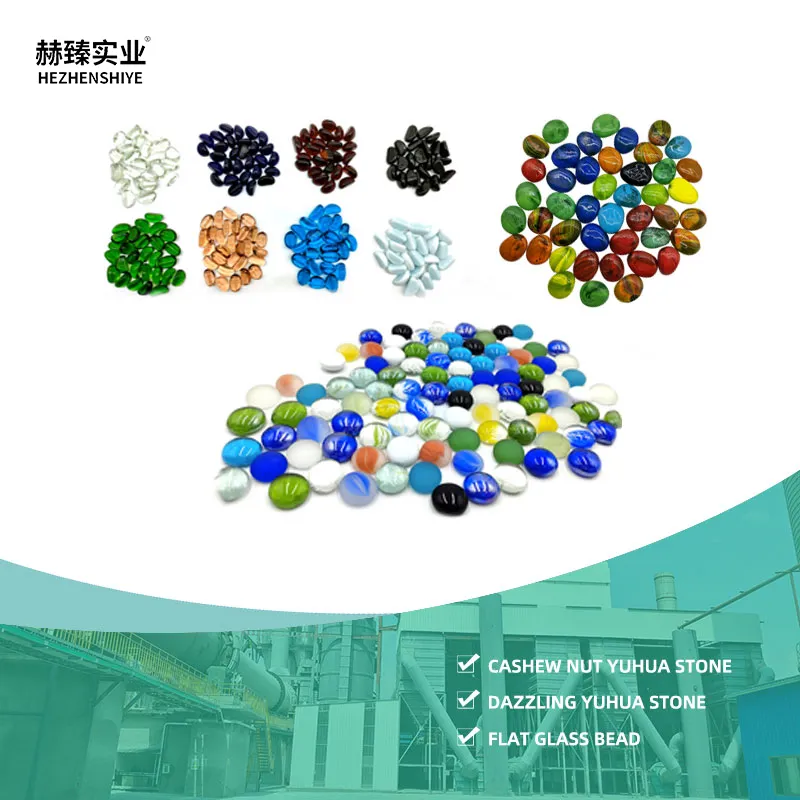
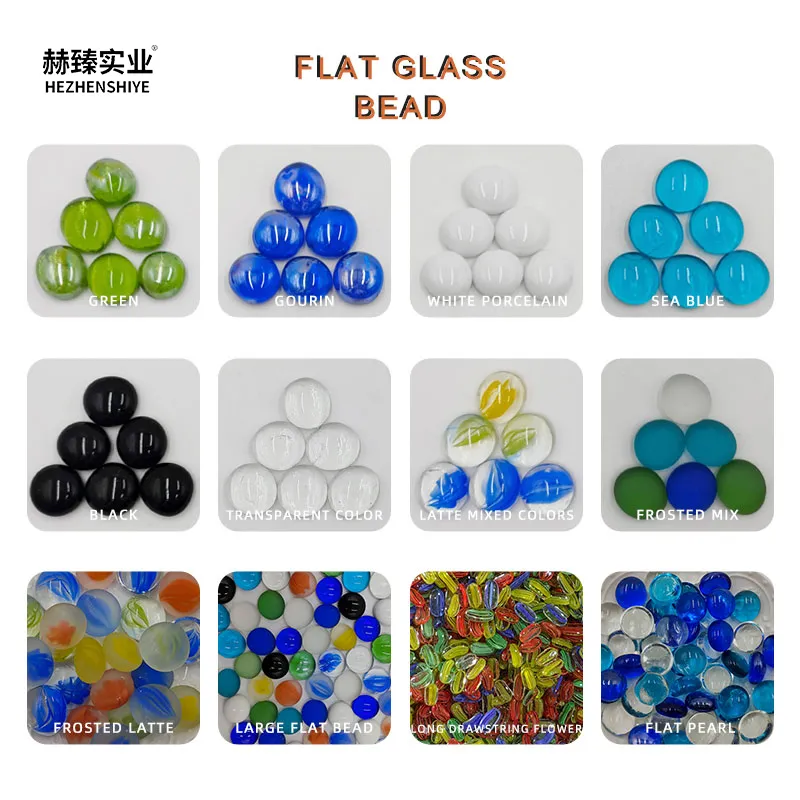
Key traits of Yuhua Stone lie in its endlessly varied vein patterns, silky smooth texture and irregular, organic natural shapes. Veins differ dramatically based on mineral distribution and the specific flow path each stone took—some spread outward like scattered maple leaves, some twist in spirals like thin hemp ropes, others cluster into dense patches like blooming chrysanthemums or distant star clusters, with colors blending from pale pastels to deep hues naturally, no harsh edges between shades. Decades of river polishing eliminates all rough edges and sharp corners, making surface of Yuhua Stone so smooth that fingers glide over it without any obstruction, feeling cool and silky to touch in warm weather and retaining a subtle warmth in cold. When exposed to natural or artificial light, it emits a soft, matte luster that highlights the depth of its veins rather than dazzling. Shapes range from small, round pellets (about size of marbles) to elongated ovals (as long as a palm) and even irregular forms with gentle ridges or concave curves—all retaining clear marks of natural water erosion, such as faint striations from friction against riverbeds.
Tabletop decoration field warmly embraces Yuhua Stone for its ability to add subtle yet distinctive natural charm to limited indoor spaces. It is widely used in living room coffee tables, dining table centerpieces, office desks and even bedroom nightstands. For coffee tables, a few Yuhua Stones of varying sizes (from palm-sized to fist-sized) are placed in shallow glass or wooden trays, paired with small seashells, dried pine needles or tiny succulents to create mini natural scenes that complement both modern and traditional decor. Larger Yuhua Stones with striking, symmetrical veins are placed alone on solid wooden coasters as focal points—beside ceramic teacups in中式 (Chinese-style) living rooms or next to glass vases of lavender in Nordic minimalist spaces, they never appear abrupt. In study rooms and home offices, Yuhua Stones serve dual roles as decorations and practical paperweights: their substantial weight holds loose papers, notebooks or blueprints in place, while their unique vein patterns offer visual relief during long work or reading sessions. Some homeowners even arrange small Yuhua Stones along edges of dining table placemats, adding a touch of nature to meal times.
Aquarium landscape sector highly values Yuhua Stone for its excellent compatibility with aquatic environments and outstanding aesthetic appeal, making it a staple material for fish tank styling among hobbyists. It is widely used as bottom layer substrate stones (covering tank floors) or decorative accent rocks, thanks to two key advantages: its ultra-smooth surface (polished by rivers for years) prevents scratching delicate fish bodies, even for small or thin-scaled species like guppies or neon tetras; its natural mineral composition (stable silicates and carbonates) does not release harmful chemicals or alter water pH levels, ensuring long-term safety for aquatic life and beneficial bacteria. When styling aquariums, Yuhua Stones shine in diverse scenes: stacked to form small "mountains" in native-style tanks (mimicking riverbed cliffs), arranged in curved lines as riverbed edges in planted tanks (framing green aquatic plants like java fern or anubias), or scattered randomly in nano tanks (creating natural hiding spots for shrimp). Their colorful veins—red, yellow, white and gray—contrast vividly with green foliage and bright fish, creating lifelike underwater landscapes that look like scaled-down river ecosystems. Additionally, porous structure of Yuhua Stone absorbs minor organic impurities (like leftover fish food or plant debris), helping stabilize water clarity and reducing frequency of complete water changes.
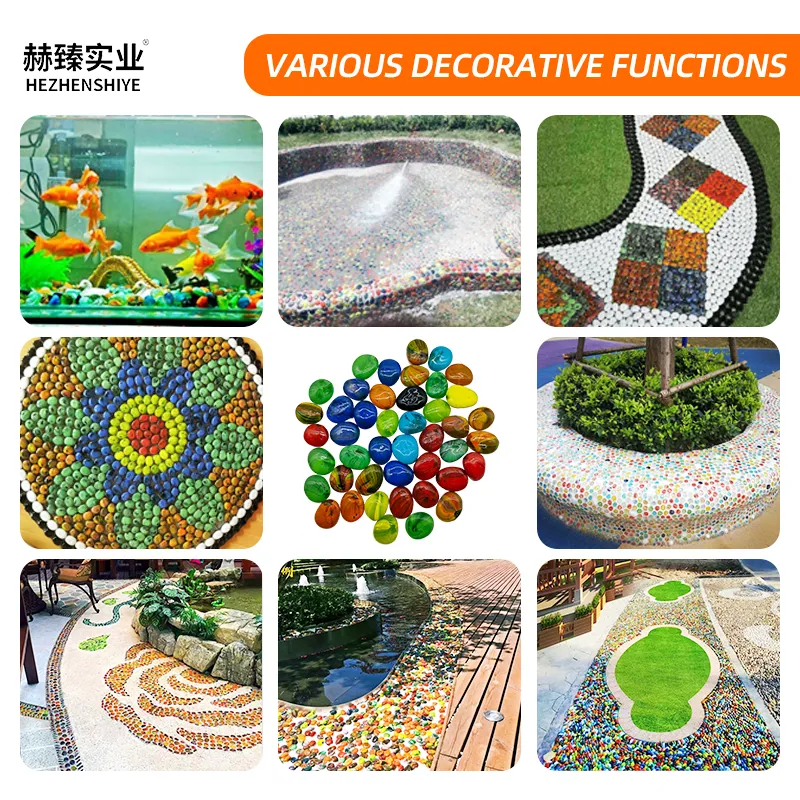
Handmade ornament industry fully leverages unparalleled uniqueness of Yuhua Stone to create one-of-a-kind accessories that stand out from mass-produced goods. Craftsmen follow strict selection and processing standards to retain stone’s natural beauty: first, they pick small, well-shaped Yuhua Stones (usually palm-sized or smaller) with clear, attractive veins—avoiding those with cracks or dull colors. Processing steps are gentle and precise: edges are polished with fine-grit sandpaper (starting from 400 grit to smooth rough spots, then 1000 grit for silky finish), tiny holes are drilled with low-speed tools (to prevent cracking delicate veins) and simple, minimalist fasteners (silver-plated hooks or elastic cords) are attached. These stones are transformed into diverse accessories: bracelets strung with Yuhua Stone beads of varying shapes (mixing round and oval pieces), necklaces with single statement Yuhua Stone pendants (showcasing most striking vein patterns) and keychains with small, durable Yuhua Stone charms. Some skilled craftsmen take it further by embedding thin Yuhua Stone slices into clear resin to make earrings or brooches—resin protects fragile stone edges while preserving visibility of natural veins. These handmade ornaments appeal strongly to consumers seeking personalized accessories, often sold in local craft markets, boutique stores or online platforms focused on artisanal goods, with each piece accompanied by brief notes on stone’s origin.
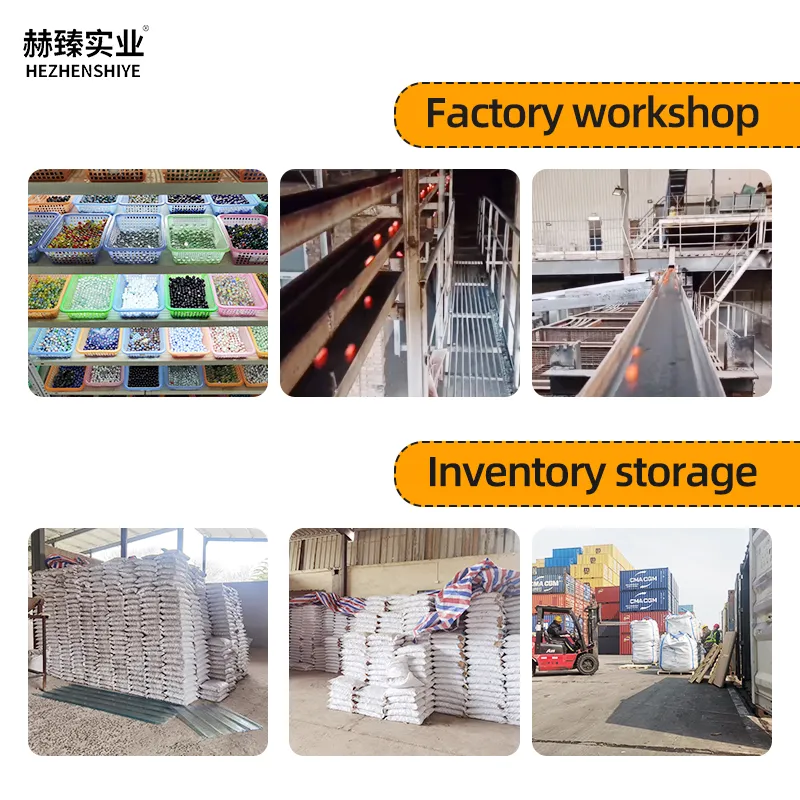
Processing of Yuhua Stone prioritizes preserving its natural attributes above all, with minimal, gentle steps that avoid altering inherent beauty. After being collected from riverbeds (usually by hand or small tools to avoid damaging river ecosystems), raw stones undergo initial sorting: craftsmen separate them by size, shape and vein quality to match different uses (large stones for tabletop decor, small ones for jewelry). Next comes cleaning: raw stones are soaked in clean, room-temperature water for four to six hours to soften dried mud and sand embedded in pores, then scrubbed gently with soft-bristled brushes (nylon or natural fiber—hard brushes risk scratching surfaces). Polishing is tailored to purpose: decor stones are polished with low-speed machines fitted with natural abrasives (like corundum powder) to enhance smoothness without dulling veins; jewelry stones use manual sanding with progressively finer grits (up to 2000 grit) for ultra-smooth finish. For handmade ornaments, small holes are drilled with diamond-tipped bits at slow speeds, with water used to cool stone and prevent overheating. Critical rule: no chemical dyes, bleaches or coatings are ever used—all colors, veins and textures remain exactly as nature created them, ensuring each Yuhua Stone retains its unique identity.